Brazil and Argentina: Contrasting Legal Approaches to Racism
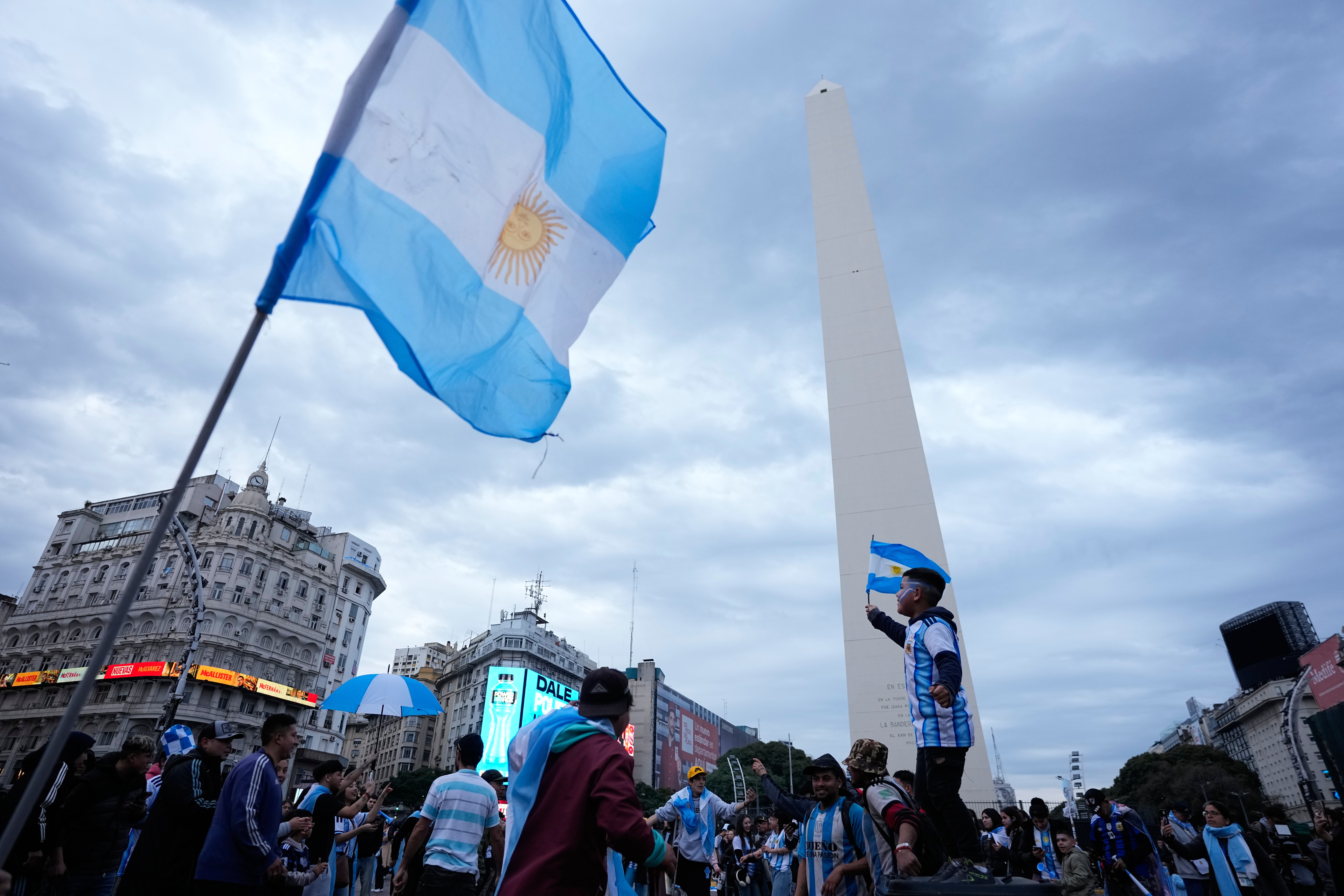
Recent incidents involving Argentinian football fans have brought the issue of racism in stadiums to the forefront, highlighting significant differences in how Brazil and Argentina address racial discrimination legally and socially. In one instance, an Argentinian tourist in Brazil is accused of making monkey gestures towards a Black man. FIFA is also investigating alleged racist abuse by Argentinian fans against a Black influencer during a World Cup match in Miami. According to legal expert Bruno Sankofá, these events reflect Argentina's historical narrative of "whitening" and Europeanization, which has systematically excluded Black populations and led to a lesser fear of racial prejudice accusations. In contrast, Brazil, despite its "myth of racial democracy," has a more robust legal framework for combating racism.
Argentina's primary legislation, Law No. 23.592 of 1988, treats discriminatory acts broadly, covering race, religion, and nationality, and mandates reparations and increased penalties for crimes motivated by prejudice. It punishes propaganda promoting racial superiority and incitement to hatred with detention. Brazil, however, constitutionally classifies racism as a non-bailable and imprescriptible crime. Law No. 7.716/1989, updated by Law No. 14.532/2023, specifically criminalizes various discriminatory behaviors based on race, color, ethnicity, religion, and national origin, including racial slurs, with penalties up to five years imprisonment. Brazil legally recognizes racism as a structural and specific phenomenon, detailing concrete situations like denial of access to services or employment due to race.
While both nations have laws against discrimination, Brazil's legal system is more detailed, distinguishing between various forms of racial offenses and offering broader victim protections, including specific procedural guarantees. Argentina, conversely, has recently dissolved its National Institute Against Discrimination, Xenophobia, and Racism (INADI) in 2024, transferring its functions to the Ministry of Justice. Despite Brazil's extensive legal framework, challenges like underreporting, difficulties in reporting crimes, and inadequate victim reparations persist. Ultimately, both countries face the common challenge of bridging the gap between legal provisions and the lived experiences of victims.
The contrasting legal frameworks in Brazil and Argentina regarding racism stem from divergent national identity narratives and historical experiences. Brazil's constitutional classification of racism as a severe, non-bailable, and imprescriptible offense, coupled with specific legislation detailing discriminatory acts, reflects a more direct acknowledgment of racism as a structural issue, albeit with persistent enforcement challenges. Argentina's broader anti-discrimination law, while encompassing racial prejudice, may indicate a less centralized focus on racism as a distinct societal problem, potentially influenced by its historical emphasis on European heritage. The recent dissolution of Argentina's anti-discrimination institute suggests a potential shift in governmental prioritization of these issues. Looking ahead, both nations face the systemic challenge of ensuring legal protections translate into tangible justice for victims, a common hurdle in societies grappling with legacies of discrimination, irrespective of the specific legal architecture employed.
AI-generated to prompt reflection — not editorial opinion, not advice, not a statement of fact. How this works.