Brazil and South Korea Leaders Discuss Tech, Meat, and AI in Closed-Door Meeting
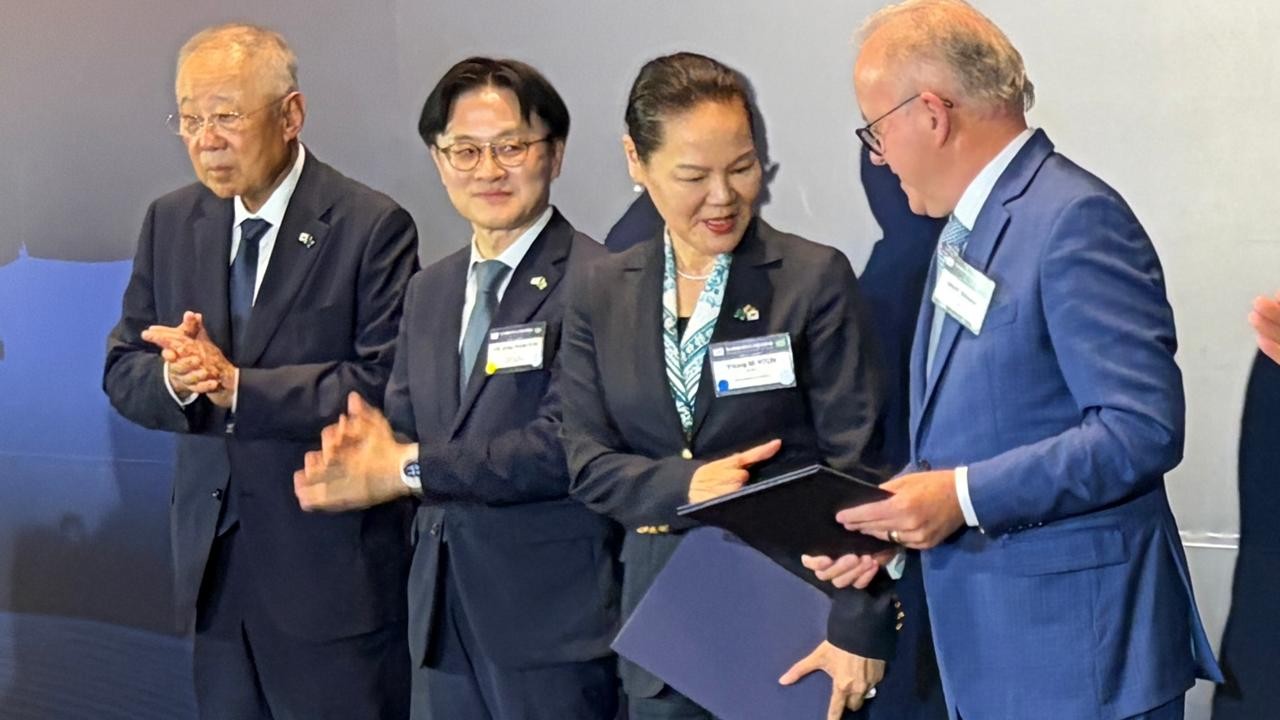
A high-level business roundtable between Brazil and South Korea, attended by approximately 30 executives from both nations and mediated by Brazil's Vice President Geraldo Alckmin and South Korean President Lee Jae Myung, focused on key areas of bilateral cooperation. The event, held on July 28, 2026, in São Paulo, featured three thematic panels: manufacturing and infrastructure, advanced industries, and consumer goods and distribution. Discussions aimed to identify investment opportunities and cooperation proposals, reflecting Brazil's economic priorities and its strategy to diversify export markets amid increased U.S. tariffs. Companies like Hyundai, Vale, Suzano, LG Electronics, Samsung Electronics, Embraer, JBS, and Ambev participated, presenting their challenges and proposals directly to the leaders. Several memorandums of understanding were signed, including agreements on commercial cooperation, investment, research, innovation, artificial intelligence, decarbonization, neurosciences, aerospace partnerships, and expanding Brazilian meat exports to South Korea. The South Korean market's demand for food imports and Brazil's significant livestock capacity were highlighted as key opportunities for food security and inflation control in South Korea. The need for regulatory predictability and legal security was also emphasized by Brazilian companies, particularly in complex supply chains like the beverage industry. The discussions notably excluded any mention of the United States, despite both countries facing American tariffs.
This business roundtable highlights a strategic effort by Brazil and South Korea to deepen economic ties, particularly in sectors like advanced manufacturing, technology, and food production. The focus on AI, semiconductors, and aerospace indicates a shared ambition to advance in high-value industries. The emphasis on food exports, especially beef, by Brazilian companies like JBS and Minerva Foods, suggests a proactive strategy to leverage their production capacity and secure new markets, potentially as a response to shifting global trade dynamics. The desire for regulatory predictability from Brazilian firms underscores the importance of stable legal frameworks for attracting and sustaining foreign investment. The event's structure, with direct engagement between business leaders and heads of state, facilitates the swift identification of mutual interests and the formalization of partnerships through MOUs, demonstrating an efficient approach to bilateral economic diplomacy.
AI-generated to prompt reflection — not editorial opinion, not advice, not a statement of fact. How this works.