Brazil and US Clash Over New Tariffs: Reciprocity or Negotiation?
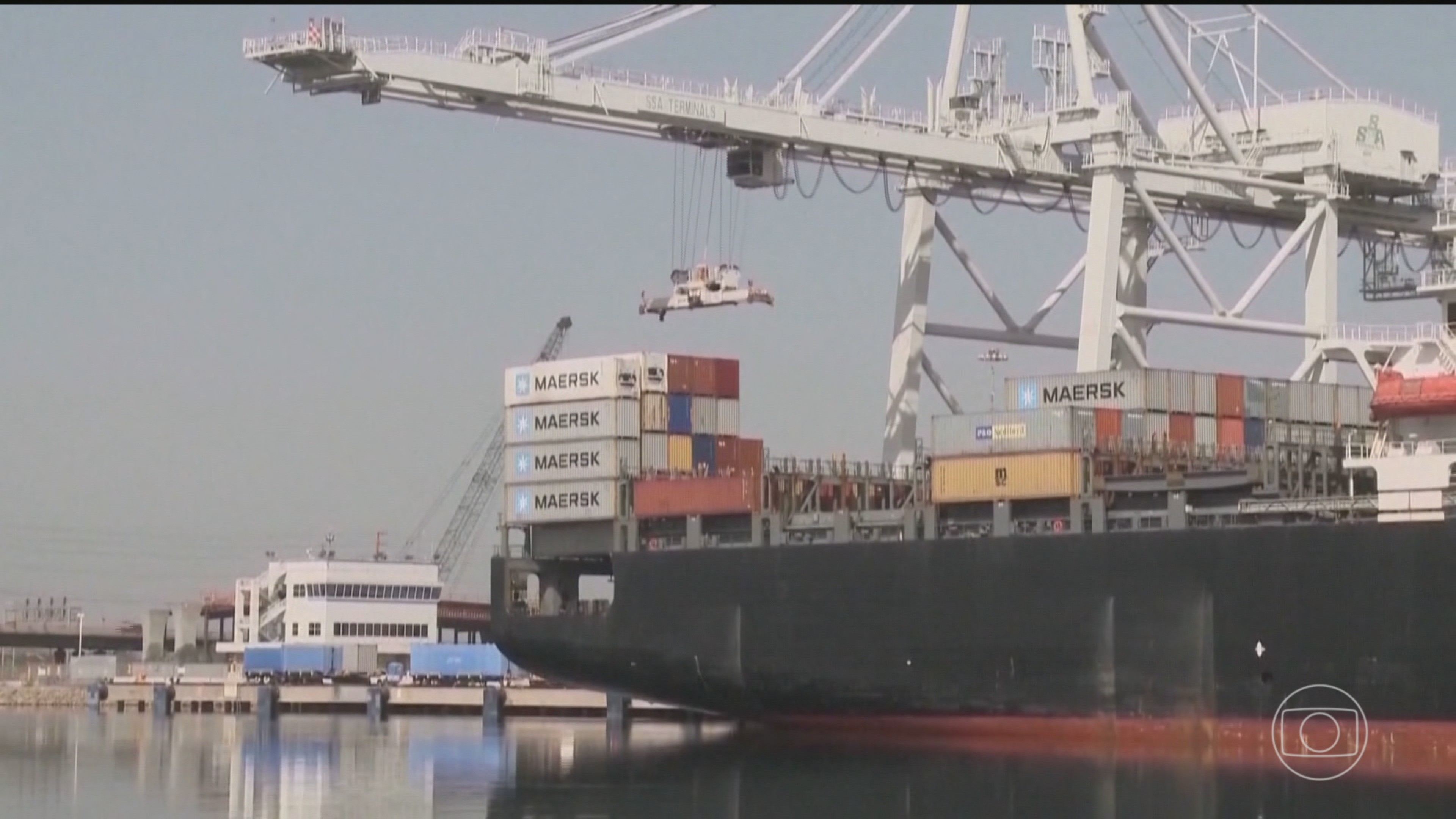
Brazil's government and affected business sectors hold divergent views on how to respond to new U.S. tariffs on Brazilian products, which took effect on Wednesday, May 22nd. The U.S. Trade Representative's Office confirmed a 25% additional tariff, stemming from a year-long investigation under Section 301 of the Trade Act of 1974. While the Brazilian government, led by President Luiz Inácio Lula da Silva, considers invoking the Economic Reciprocity Law to impose equivalent measures on U.S. goods, business entities are advocating for negotiation and support for impacted companies. Key sectors like machinery, footwear, electronics, tires, plastics, and textiles are particularly concerned. These industries are requesting expanded credit lines and reinforced support programs, emphasizing diplomatic and business-led negotiations over immediate retaliatory tariffs.
Despite the government's stated readiness to use the Reciprocity Law, officials express caution. Vice President Geraldo Alckmin stated that the government is studying all options but aims to avoid a tit-for-tat escalation, likening it to a scenario where "both end up blind." Minister of Development, Márcio Elias Rosa, indicated that no immediate measures are necessary, clarifying that having the law is distinct from its application. Approximately 18% of Brazilian exports to the U.S. are expected to be affected, with significant impacts on wood, machinery, furniture, ceramics, footwear, and manufacturing. The government plans further meetings to finalize support strategies and its response to the tariffs, which it deems economically unjustified and politically motivated.
The U.S. imposition of tariffs on Brazilian goods, justified under Section 301 of its Trade Act, presents a complex challenge for Brazil's economic policy. The Brazilian government's contemplation of reciprocal tariffs highlights a tension between asserting national sovereignty and managing economic interdependence. While reciprocity can serve as a deterrent and a tool for rebalancing trade relations, its application risks escalating trade disputes, potentially harming Brazilian industries reliant on U.S. imports or facing retaliatory measures. Business sectors' preference for negotiation and support underscores the intricate supply chains and the potential for unintended consequences of protectionist policies. Navigating this situation requires a strategic balance, considering the long-term implications of trade friction against the immediate need for economic stability and international cooperation in a globalized marketplace.
AI-generated to prompt reflection — not editorial opinion, not advice, not a statement of fact. How this works.