Brazil and US in last-minute trade talks ahead of July 15 tariff deadline
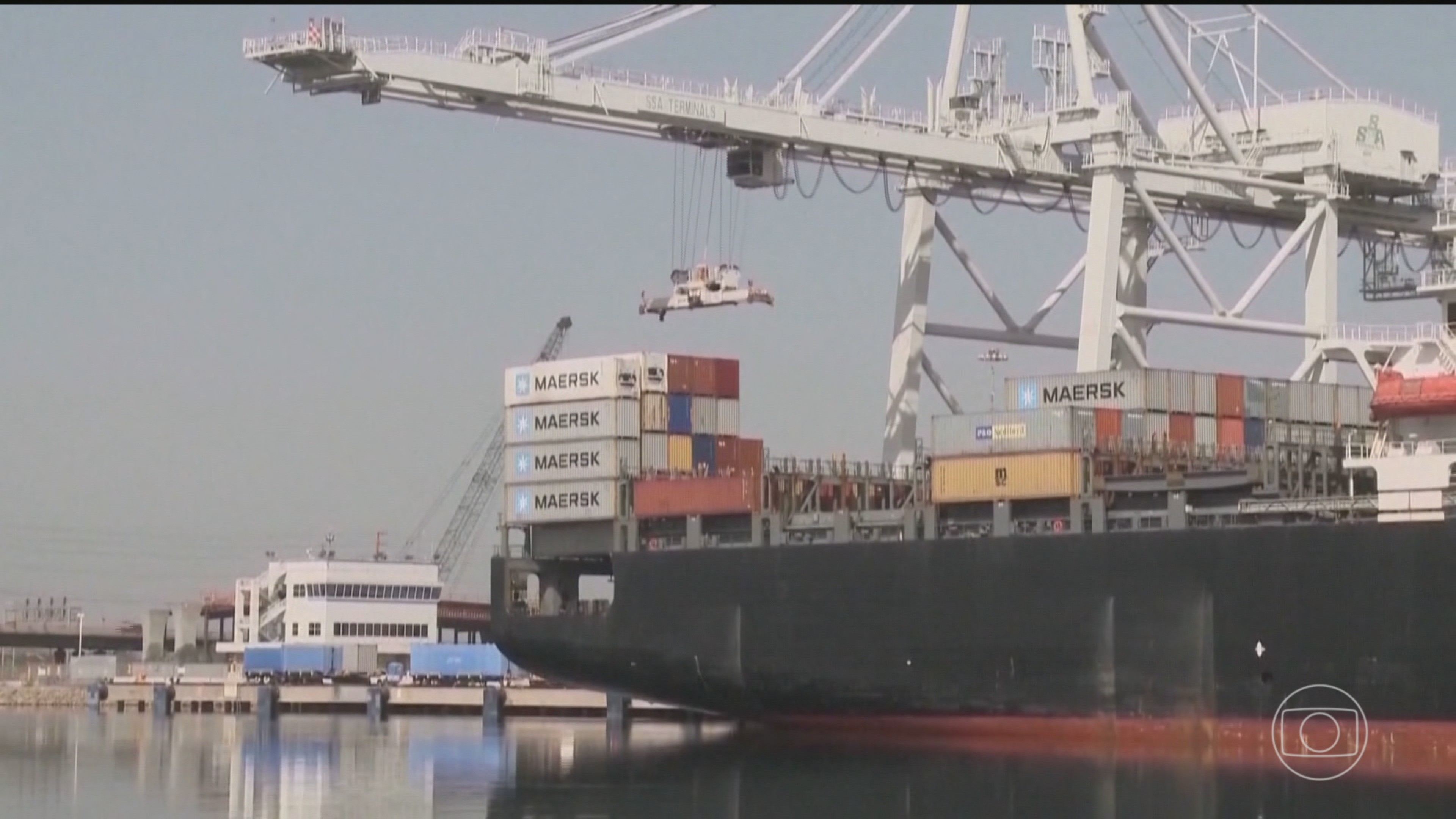
Brazil and the United States are engaged in high-stakes negotiations as a July 15 deadline approaches for the potential imposition of new US tariffs on Brazilian products. Technical teams from both governments are meeting this week to prepare for a final high-level discussion aimed at averting or mitigating these additional tariffs. The US, under the Trump administration, has proposed a 25% tariff based on alleged unfair trade practices and a further 12.5% surcharge linked to concerns about forced labor. These measures could cumulatively increase the total tariff burden on some Brazilian exports to the US to 37.5%.
Brazil's Minister of Development, Industry, and Foreign Trade, Márcio Elias, recently met virtually with US Trade Representative Jamieson Greer to advance discussions. During this meeting, the Brazilian team presented a "roadmap" of proposed strategies and actions to address US concerns. The Brazilian government is reportedly firm on protecting its PIX instant payment system but has shown openness to negotiating measures in other areas, including preferential tariffs, ethanol market access, intellectual property protection, anti-corruption efforts, and illegal deforestation. President Luiz Inácio Lula da Silva has approved this roadmap proposal, which was a request from the US government for Brazil to present something concrete.
Despite these efforts, Brazilian government officials privately express skepticism about a complete reversal of the proposed tariffs, suggesting that political motivations may underpin the US decision. They anticipate that any potential outcome might involve limited exceptions or minor tariff reductions rather than a full rollback. The US Trade Representative's Office (USTR) initiated investigations under Section 301 of the Trade Act of 1974, citing Brazilian policies on PIX, digital platforms, trade agreements, deforestation, ethanol, intellectual property, and corruption as potentially "irrational" or "restrictive" to US trade. A separate investigation into forced labor practices also led to the proposed surcharge. The US will hold public hearings on July 6 and 7 to discuss the proposals before any measures are finalized, with a list of potential exceptions for strategic products like coffee, meat, fruits, aircraft, fertilizers, and critical minerals already signaled.
The impending US tariffs on Brazilian goods highlight the complex interplay between national trade policy, domestic political objectives, and international economic relations. The US justification, citing unfair trade practices and forced labor, presents a framework for imposing trade restrictions that can be influenced by both genuine concerns and strategic economic leverage. Brazil's "roadmap" proposal signifies an effort to de-escalate through technical and policy adjustments, aiming to demonstrate compliance and mitigate economic impact. However, the Brazilian government's internal assessment points to potential political drivers behind the US stance, suggesting that purely technical arguments may not fully resolve the dispute. This situation underscores a broader trend where trade disputes can become entangled with geopolitical considerations, requiring careful navigation of both economic substance and political signaling. The outcome will likely reflect a balance between US demands, Brazil's capacity for concessions, and the underlying political dynamics, potentially setting precedents for future trade negotiations in an era increasingly shaped by strategic competition and evolving global supply chain considerations.
AI-generated to prompt reflection — not editorial opinion, not advice, not a statement of fact. How this works.