Brazil Announces New Credit Line in Response to US Tariffs
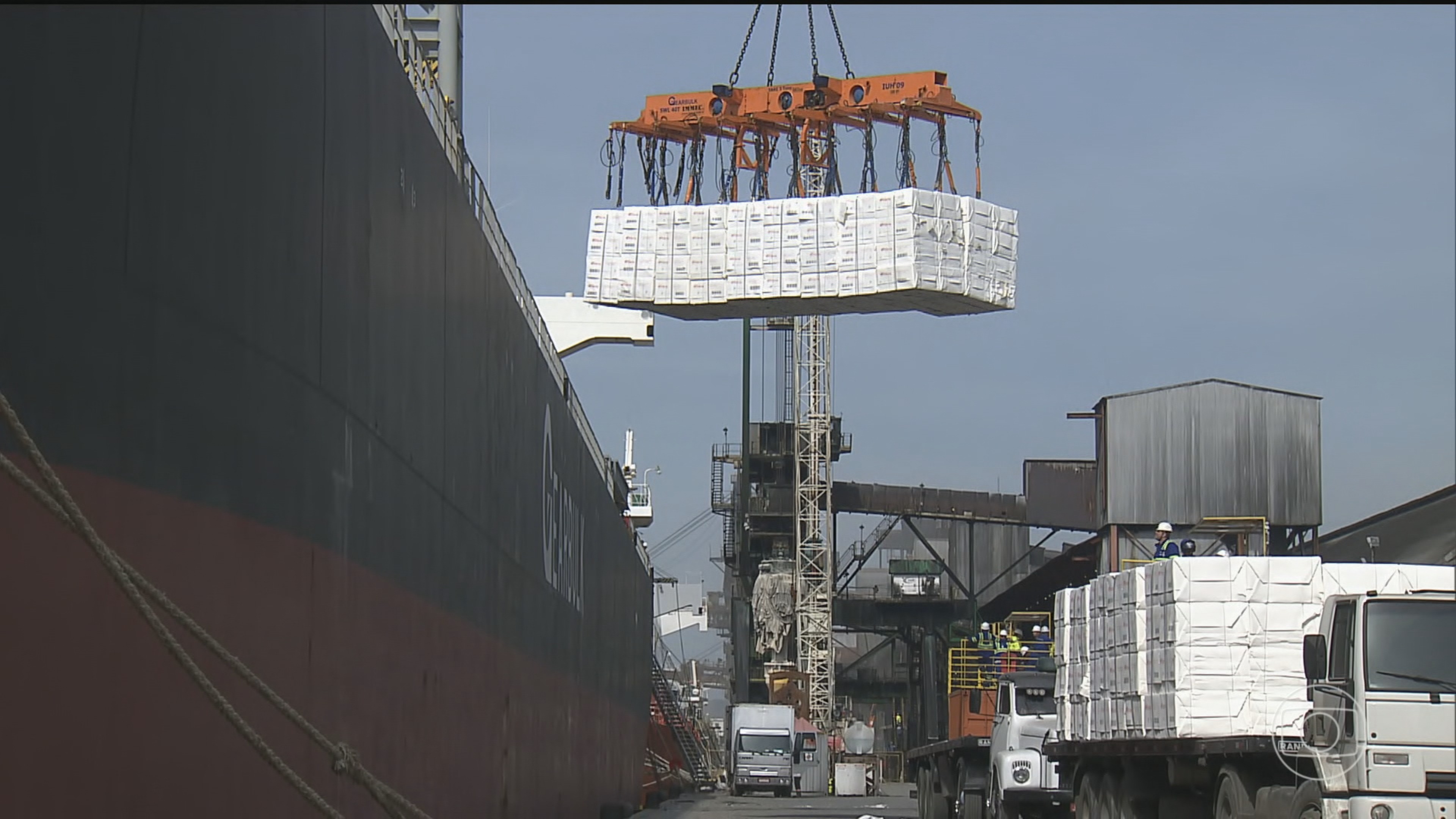
The Brazilian government, led by President Lula, announced a new credit line on Wednesday, May 22nd, to support sectors impacted by the United States' 25% tariff on Brazilian products. This measure, set to take effect on the same day the US tariffs become active, is designed similarly to the "Brasil Soberano" program, which was previously implemented to assist industries facing tariffs in 2025. The new credit line will offer reduced costs to eligible companies. In return for this financial assistance, companies must commit to maintaining at least a portion of their current workforce. President Lula had urged his ministers to present a response on the day the US tariffs were enacted. Additional measures are reportedly under consideration and may be implemented if companies experience difficulties exporting their products due to the new tariffs. However, the government has decided against offering tax relief to the affected businesses. The US may also announce another tariff, a 12.5% rate, later this week, suggesting a potential escalation of trade restrictions.
The implementation of US tariffs on Brazilian goods, and Brazil's subsequent announcement of a credit line, highlights a recurring pattern of trade friction and retaliatory economic measures. This situation underscores the complex interplay between national economic policies, international trade relations, and domestic industry support. The Brazilian government's response, focusing on credit and job retention, aims to mitigate immediate economic shocks. However, such measures may not fully address the underlying competitive disadvantages or the potential for further trade disputes. Looking ahead, the reliance on credit lines as a primary response mechanism could create long-term debt burdens for industries and may prove insufficient against sustained protectionist policies. The dynamic suggests a need for diversified strategies that enhance competitiveness and explore broader diplomatic resolutions to trade imbalances, rather than solely relying on reactive financial instruments.
AI-generated to prompt reflection — not editorial opinion, not advice, not a statement of fact. How this works.