Brazil anticipates minimal economic impact from potential US tariffs, citing export resilience
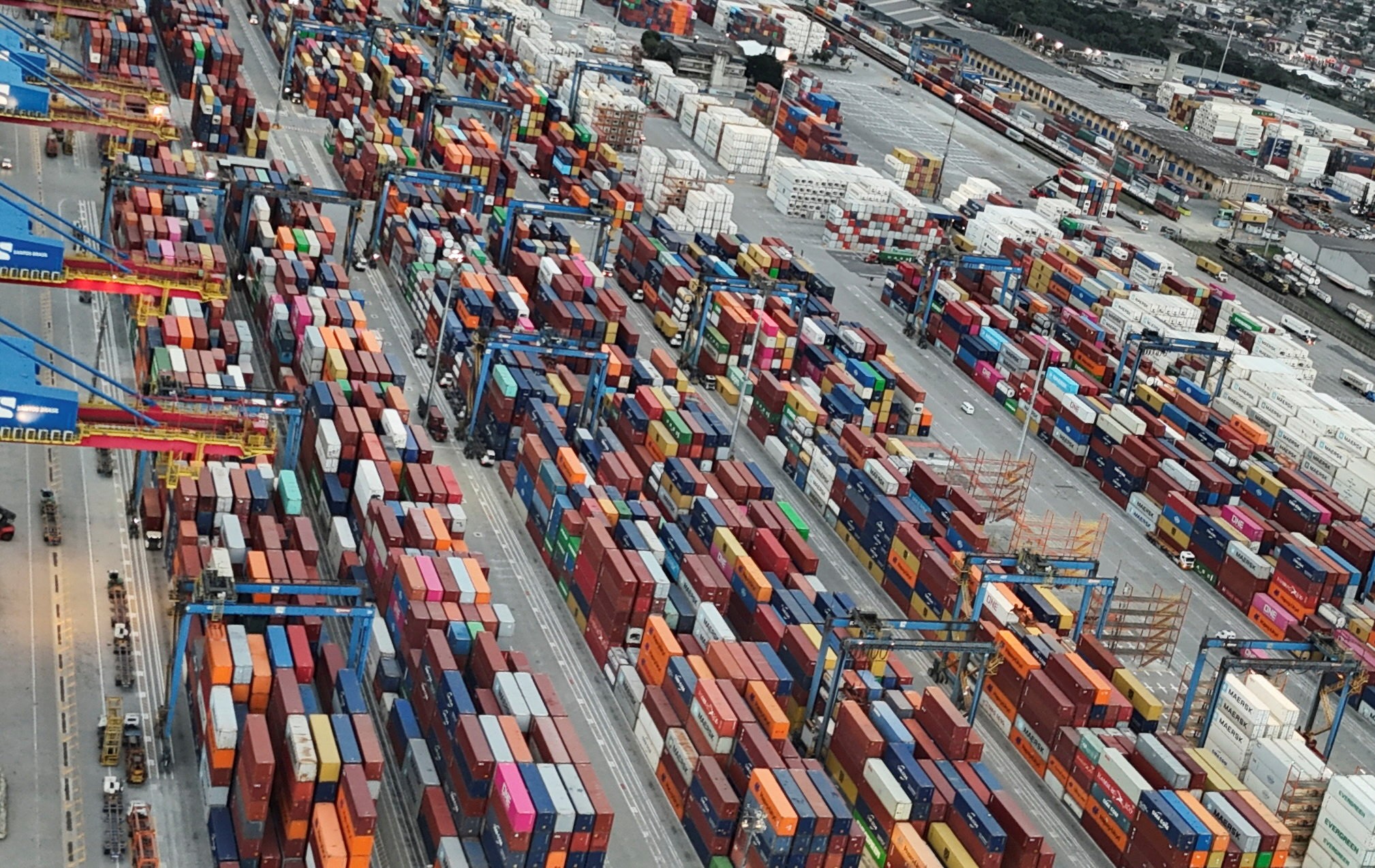
Brazil's Ministry of Finance anticipates a limited macroeconomic impact from potential new tariffs imposed by the United States. These tariffs could stem from an investigation under Section 301, which concluded on June 1st. The US investigation accuses Brazil of trade-distorting practices, including illegal deforestation, piracy, and issues related to the PIX payment system. The US Trade Representative's office has proposed a 25% tariff on Brazilian goods as a result.
Despite previous tariffs implemented in August of the previous year, Brazilian exports have demonstrated resilience, with a gradual recovery observed since November. The US market accounted for approximately 11% of Brazil's exports in 2025, representing less than 2% of the country's GDP. The Ministry notes that redirecting sales to other markets has significantly offset losses, limiting the direct effect on economic activity.
Furthermore, the Ministry stated that even if tariffs are imposed, exceptions for various products are anticipated, which should keep the aggregate impact modest. Measures implemented last year, such as credit support, liquidity provisions, and market diversification initiatives, are expected to mitigate any remaining sectoral effects. The international scenario, marked by high uncertainty due to the conflict between the United States and Iran, has also seen fluctuations in oil prices, with diplomatic advances temporarily reducing geopolitical risks, though uncertainties persist.
The Brazilian government's assessment suggests a strategic focus on trade diversification and prior mitigation efforts to buffer against potential US trade actions. This approach highlights an evolving global trade landscape where geopolitical tensions and specific national policies can rapidly alter market dynamics. The resilience cited in Brazilian exports, despite previous tariff shocks, points to the increasing importance of flexible supply chains and alternative market access. Looking ahead, the interplay between US trade policy, global commodity prices influenced by geopolitical events, and Brazil's adaptive economic strategies will be critical determinants of its economic trajectory over the next decade. The analysis underscores the need for robust international trade frameworks that can withstand such pressures while fostering predictable economic conditions.
AI-generated to prompt reflection — not editorial opinion, not advice, not a statement of fact. How this works.