Brazil Approves $8 Billion Credit Line for Major Airlines Amid Rising Fuel Costs
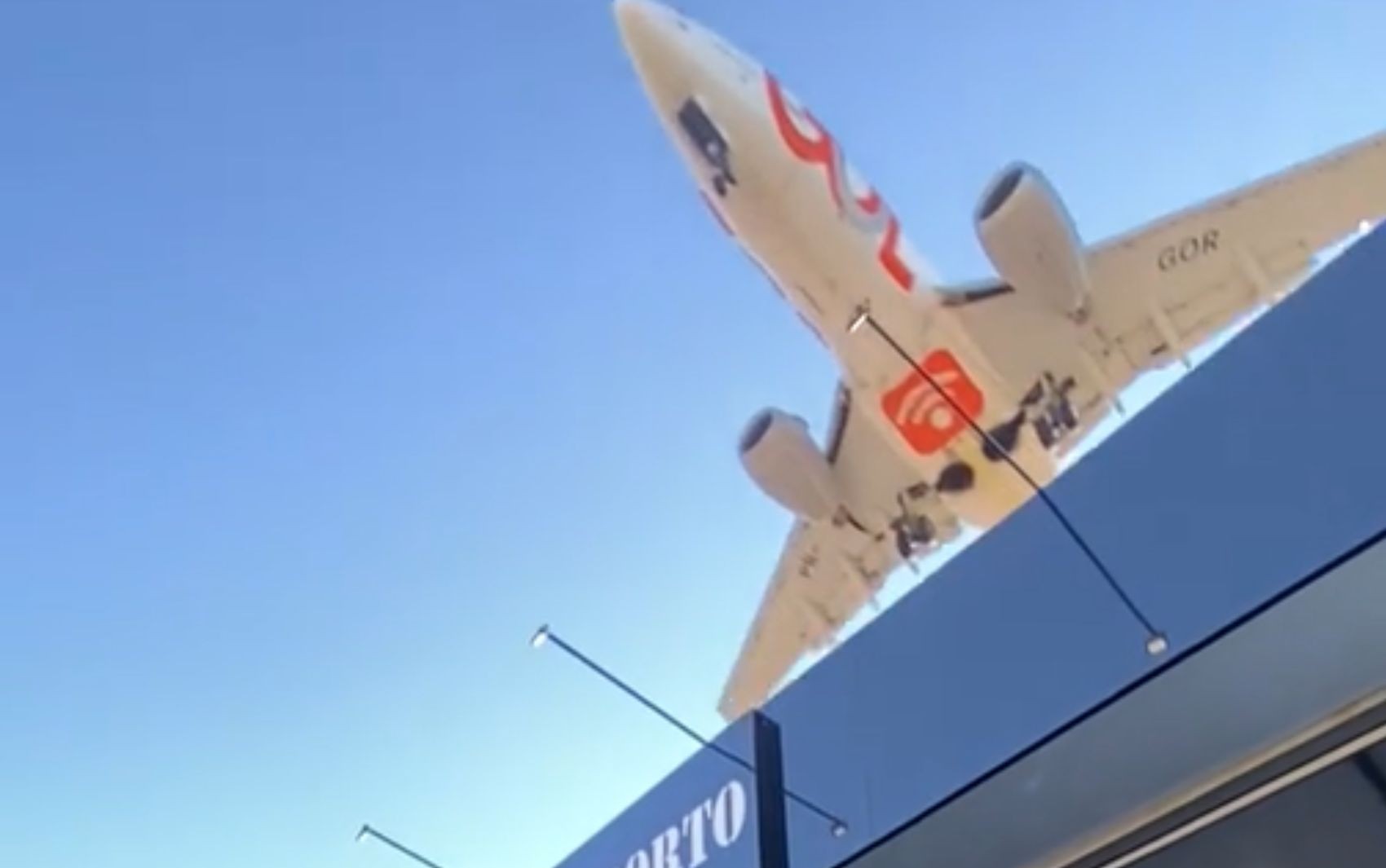
The Brazilian Development Bank (BNDES) has approved a credit line of up to R$ 8 billion (approximately $1.5 billion USD) to support four domestic airlines: Azul, Abaeté, Gol, and Latam. This financial aid, sourced from the National Civil Aviation Fund (FNAC), is intended to help these companies manage increased operational expenses until December 2026. The initiative aims to provide rapid investment to airlines facing significant hikes in aviation fuel costs, which nearly doubled between April and May of the current year. This surge in fuel prices is directly linked to the escalating conflict in the Middle East and its impact on global oil markets. The financing is specifically for companies engaged in regular domestic air transport. These loans will feature a fixed annual interest rate of 4%, as determined by the FNAC Management Committee, with repayment terms extending up to 60 months. BNDES President Aloizio Mercadante highlighted that these airlines, already affected by the pandemic, are now contending with the fuel cost increases driven by the Middle East war. The Minister of Ports and Airports, Tomé França, stated that this measure enhances the financial sustainability of the airlines, while Juliano Noman, president of the Brazilian Association of Airline Companies (Abear), affirmed the sector's vital economic importance and the appropriateness of this support. Aviation fuel prices have seen substantial increases this year, largely due to the conflict involving the United States, Israel, and Iran, which has driven up international oil prices and raised concerns about global supply disruptions, particularly concerning the Strait of Hormuz. Although Petrobras reduced jet fuel prices by 14.2% in June, the cost still represented a 54.5% increase year-to-date, significantly impacting airline operational costs.
The Brazilian government's R$ 8 billion credit line for airlines addresses the immediate financial pressure caused by volatile global energy markets, exacerbated by geopolitical conflict. This intervention aims to stabilize the domestic aviation sector, which is crucial for economic connectivity and activity. However, the reliance on external factors like Middle Eastern conflicts for fuel price shocks highlights systemic vulnerabilities. Future-proofing the sector may require exploring diversified energy sources for aviation or fostering greater operational efficiencies to mitigate the impact of commodity price fluctuations. The fixed interest rate offers short-term relief, but the long-term sustainability will depend on the airlines' ability to adapt to evolving energy landscapes and global economic conditions, alongside continued government support or market-driven solutions.
AI-generated to prompt reflection — not editorial opinion, not advice, not a statement of fact. How this works.