Brazil Approves New Bivalent Antibody Therapy for Aggressive Non-Hodgkin Lymphoma
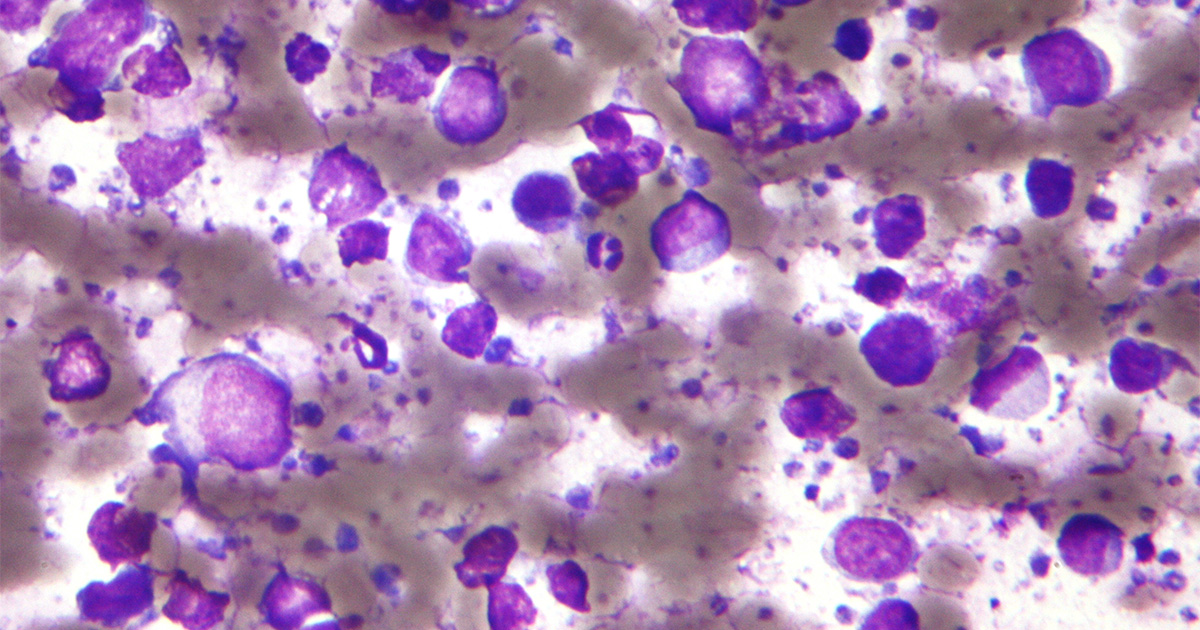
Brazil's National Health Surveillance Agency (Anvisa) has approved Columvi (glofitamab), a novel medication for adults battling a particularly aggressive form of non-Hodgkin lymphoma. This approval specifically targets patients with diffuse large B-cell lymphoma (DLBCL) who have experienced disease relapse or have not responded to prior treatments, and who are not candidates for autologous stem cell transplant. The new therapy will be administered in combination with the chemotherapy drugs gemcitabine and oxaliplatina. This development offers a much-needed expansion of therapeutic options for a patient group with a historically poorer prognosis after initial treatment failure, where existing alternatives are limited and less effective. Glofitamab is a bispecific monoclonal antibody, a newer class of drugs that simultaneously targets two proteins: CD20 on the cancerous B-cells and CD3 on T-cells. By bridging these cells, it activates the immune system to directly attack and destroy the tumor. Anvisa's registration signifies the introduction of a new immunotherapy strategy into Brazil, enhancing the treatment arsenal for patients with aggressive diseases and limited therapeutic choices. While the drug is now authorized for commercialization in Brazil, its inclusion in the public healthcare system (SUS) requires further evaluation by the National Commission for the Incorporation of Technologies in SUS (Conitec), and coverage by private health plans depends on the National Supplementary Health Agency (ANS) regulations. Non-Hodgkin lymphoma (NHL) encompasses over 80 types of cancer originating from lymphocytes, part of the immune system. DLBCL is the most common and rapidly progressing aggressive subtype, often requiring prompt diagnosis and treatment. Symptoms typically include painless swollen lymph nodes, persistent fever, night sweats, unexplained weight loss, fatigue, and skin itching, though these can overlap with other conditions.
The approval of glofitamab in Brazil marks a significant advancement in treating relapsed or refractory diffuse large B-cell lymphoma, a condition with historically poor outcomes. This bispecific antibody represents a shift towards more targeted immunotherapies, leveraging the patient's own immune system to combat cancer. The regulatory pathway highlights the complex interplay between drug approval, public health system integration (SUS via Conitec), and private insurance coverage (ANS), underscoring the challenges in ensuring equitable access to cutting-edge treatments. Future considerations will involve long-term efficacy data, comparative effectiveness against emerging therapies, and cost-benefit analyses to inform widespread adoption and patient access within Brazil's diverse healthcare landscape.
AI-generated to prompt reflection — not editorial opinion, not advice, not a statement of fact. How this works.