Brazil-Argentina Relations Tested by Presidential Feuds Amidst Strategic Partnership
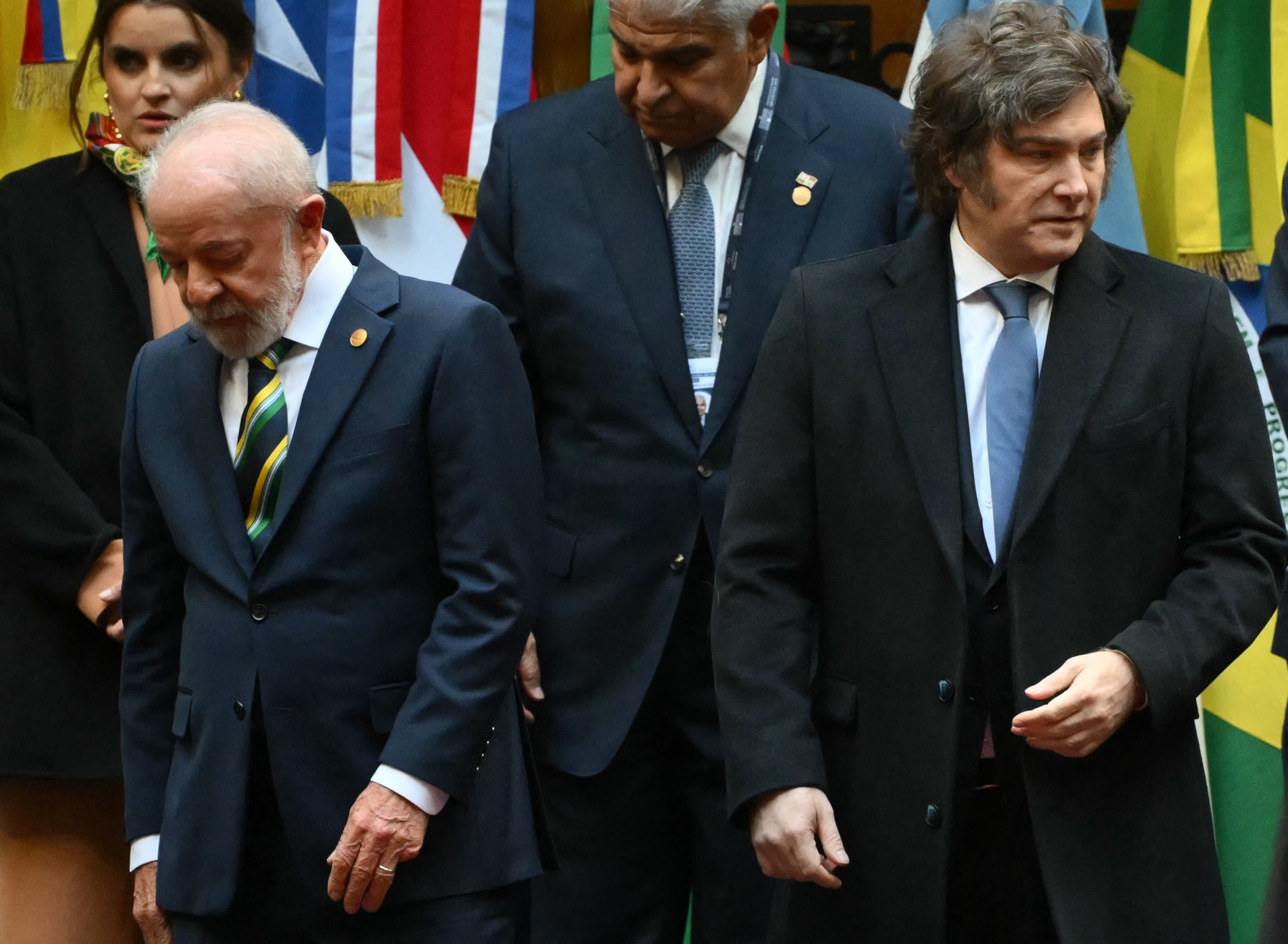
Relations between Brazil and Argentina have been marked by significant diplomatic friction, particularly between current presidents Luiz Inácio Lula da Silva and Javier Milei, as well as during the previous administration of Jair Bolsonaro and Alberto Fernández. President Lula da Silva has publicly criticized Javier Milei's statements, referring to them as "patacoada" and questioning his identity. This follows a pattern of political divergence that began during Milei's election campaign, where Lula supported a different candidate. The tension escalated when Milei attended a convention in Brazil, criticizing Lula and Brazilian officials, including Supreme Court Minister Alexandre de Moraes. In response, Brazilian Minister of Finance Dario Durigan called Milei a "clown," though he later clarified it was a personal remark. Minister of the General Secretariat of the Presidency Guilherme Boulos also criticized Milei. These reactions, however, drew internal criticism for mirroring Milei's confrontational tone. During the Bolsonaro administration, diplomatic traditions were broken when Bolsonaro did not acknowledge Alberto Fernández's election victory or attend his inauguration, despite both countries being key Mercosur members. Despite these political clashes, experts note that state interests and strategic partnerships, particularly in trade and Mercosur, continue to function. International Relations professor Denilde Holzhacker explains that economic integration ensures that presidential disputes do not necessarily lead to ruptures in state-level relations. The summoning of the Brazilian ambassador back to Brasília for consultations was a formal diplomatic step in response to Milei's remarks. While political rhetoric may focus on social media, practical cooperation in areas like trade, energy, and infrastructure remains unaffected, driven by mutual national interests.
The recurring diplomatic tensions between Brazil and Argentina, driven by the personal and political animosities of their leaders, highlight a persistent challenge in bilateral relations. While individual presidents may engage in confrontational rhetoric, often amplified by social media, the underlying economic interdependence and strategic importance of the Mercosur bloc compel a degree of functional cooperation. This dynamic suggests a system where state-level interests, particularly economic ones, can act as a stabilizing force against leadership-driven volatility. The current situation, where leaders exchange sharp public criticisms, may reflect a broader trend of populist political strategies that leverage nationalistic sentiment and direct appeals to specific voter bases. Looking ahead, the enduring need for regional economic integration and the evolving geopolitical landscape will likely continue to necessitate pragmatic engagement, even amidst ideological opposition. The challenge for both nations will be to manage these inherent contradictions, ensuring that short-term political posturing does not undermine long-term strategic objectives and regional stability.
AI-generated to prompt reflection — not editorial opinion, not advice, not a statement of fact. How this works.