Brazil Awaits US Tariff Decision, Vows Response to Unfair Measures
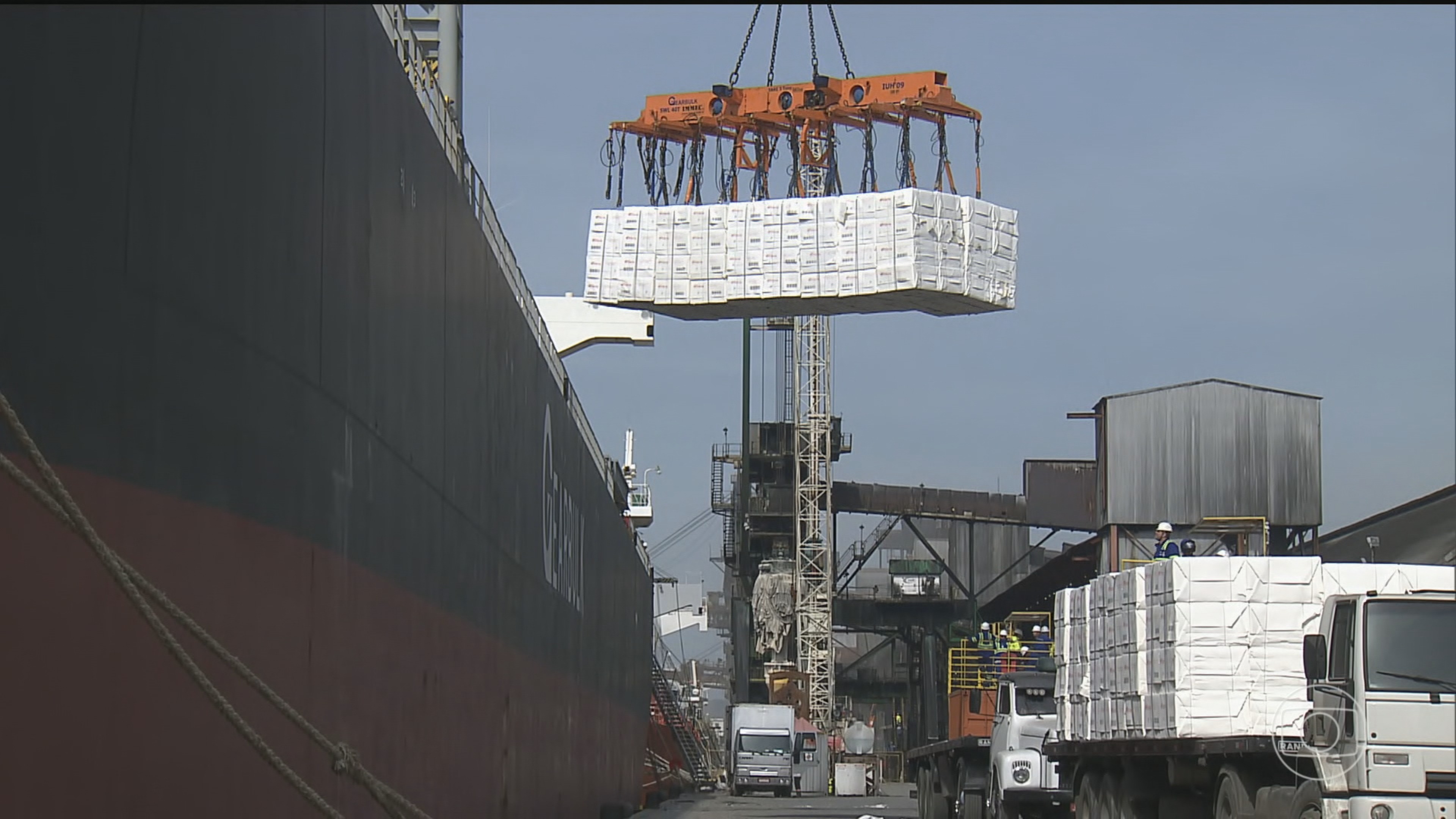
Brazil is awaiting a decision from the United States on whether to impose new tariffs on Brazilian products, with the deadline for the announcement falling on Wednesday, February 15th. Brazil's Minister of Finance, Dario Durigan, stated that the government will carefully evaluate any potential retaliatory actions if the tariffs are confirmed, emphasizing a commitment to fiscal responsibility while protecting the Brazilian population. The US initiated an investigation in July 2025 under its trade law, alleging unfair practices by Brazil that harm American companies. The potential tariffs could amount to 25% on affected Brazilian goods. Brazilian government representatives met with US Trade Representative Jamieson Greer on Tuesday, February 14th, reiterating that the proposed tariffs are unjustified and unfair. Currently, 25% of Brazilian exports face a 10% tariff, including items like machinery, footwear, wood, and fish, while 29% are subject to 25% or 50% tariffs under Section 232 of US trade law, affecting steel and aluminum products. These tariffs are not exclusive to Brazil and apply globally, though certain items like petroleum, aircraft, iron ore, coffee, beef, and orange juice are exempt. During negotiations to avert new tariffs, Brazil indicated it would not concede on issues concerning PIX (a Brazilian instant payment system) and ethanol. Should the tariffs be implemented, Brazil plans to work on expanding its list of tariff-exempt products.
The potential imposition of US tariffs on Brazilian goods highlights a recurring tension in international trade, where national economic interests and trade law interpretations can lead to disputes. Brazil's stance suggests a defense of its domestic industries and payment systems, viewing the US allegations as unfounded. The situation underscores the complexity of global supply chains and the leverage that major economies can exert through trade policy. As the world navigates an era of increasing digital integration and energy transitions, disputes over market access and competitive practices, particularly concerning digital finance and critical commodities like ethanol, will likely intensify. Brazil's measured response, while signaling a willingness to defend its position, also indicates an awareness of the need for careful calibration to avoid escalating trade conflicts, balancing national sovereignty with global economic interdependence.
AI-generated to prompt reflection — not editorial opinion, not advice, not a statement of fact. How this works.