Brazil Bans Foie Gras Production and Sale, Citing Animal Cruelty
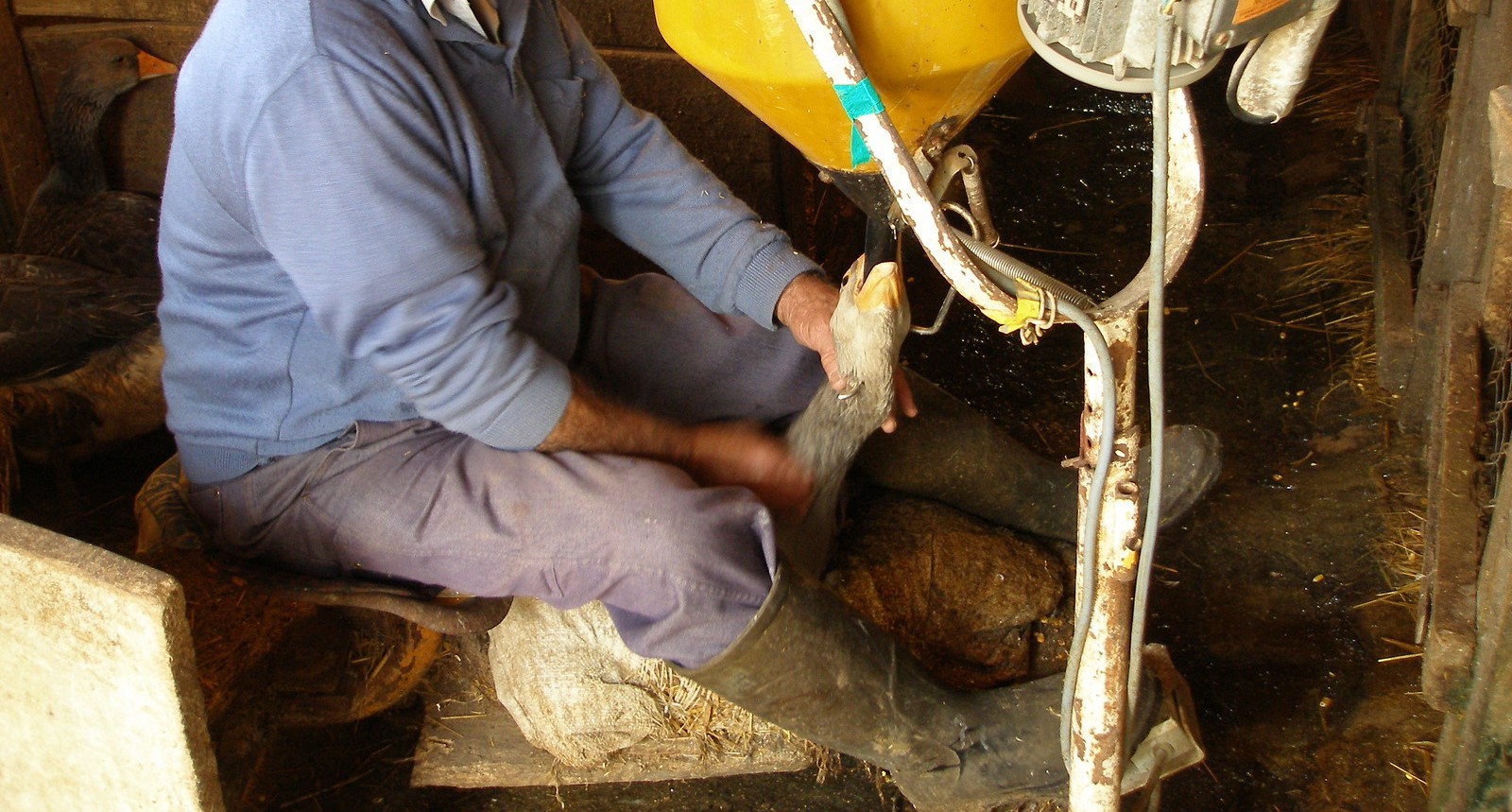
Brazil has officially banned the production and sale of foie gras, a delicacy made from the fatty liver of ducks or geese, through a law sanctioned by President Luiz Inácio Lula da Silva on Friday, May 24th. This prohibition specifically targets products obtained via the "gavage" technique, which involves force-feeding animals to enlarge their livers. The new legislation, published in the Official Gazette, classifies this practice as animal mistreatment and mandates penalties of three months to one year in prison, along with fines, in accordance with the Environmental Crimes Law.
The gavage method entails inserting a metal tube down the animal's throat to deliver food, often performed twice daily for two to four weeks before slaughter. Animal welfare organizations highlight that this process can cause significant injuries to the throat, esophagus, face, and beak, leading to pain, metabolic disturbances, and thermal stress in the birds. The liver can swell up to ten times its normal size, and improper technique exacerbates these harms, causing distress among the animals. The rate of mortality among animals subjected to gavage can increase by up to 25 times, according to the bill's rapporteur, Representative Fred Costa.
With this ban, Brazil becomes the second country, after India, to prohibit products derived from force-feeding. While alternative foie gras production methods like cell cultivation and plant-based options are being explored, they are not yet commercially viable. Several other countries, including the United Kingdom, Germany, Italy, Australia, and Argentina, already have similar restrictions on production. The bill, initially introduced six years ago, passed through legislative committees without needing a full floor vote. The French embassy had reportedly sought to prevent the bill from including import bans, but the legislation proceeded without that restriction, impacting only Brazil's three known gavage producers, given the product's niche, expensive market.
Brazil's legislative action against foie gras production and sale, framing the "gavage" technique as animal mistreatment, reflects a global trend toward prioritizing animal welfare in food production systems. This move positions Brazil alongside India and other nations with existing restrictions, signaling a potential shift in international agricultural standards. The analysis of this policy decision involves considering the economic implications for the few domestic producers, the influence of international animal welfare advocacy, and the potential for innovation in alternative food technologies. From a forward-looking perspective, this prohibition underscores the growing societal demand for ethical consumption and may accelerate research into lab-grown or plant-based alternatives, influencing future food industry practices and consumer choices in the coming decade.
AI-generated to prompt reflection — not editorial opinion, not advice, not a statement of fact. How this works.