Brazil Bans Foie Gras Production, Sparking Trade Tensions with France
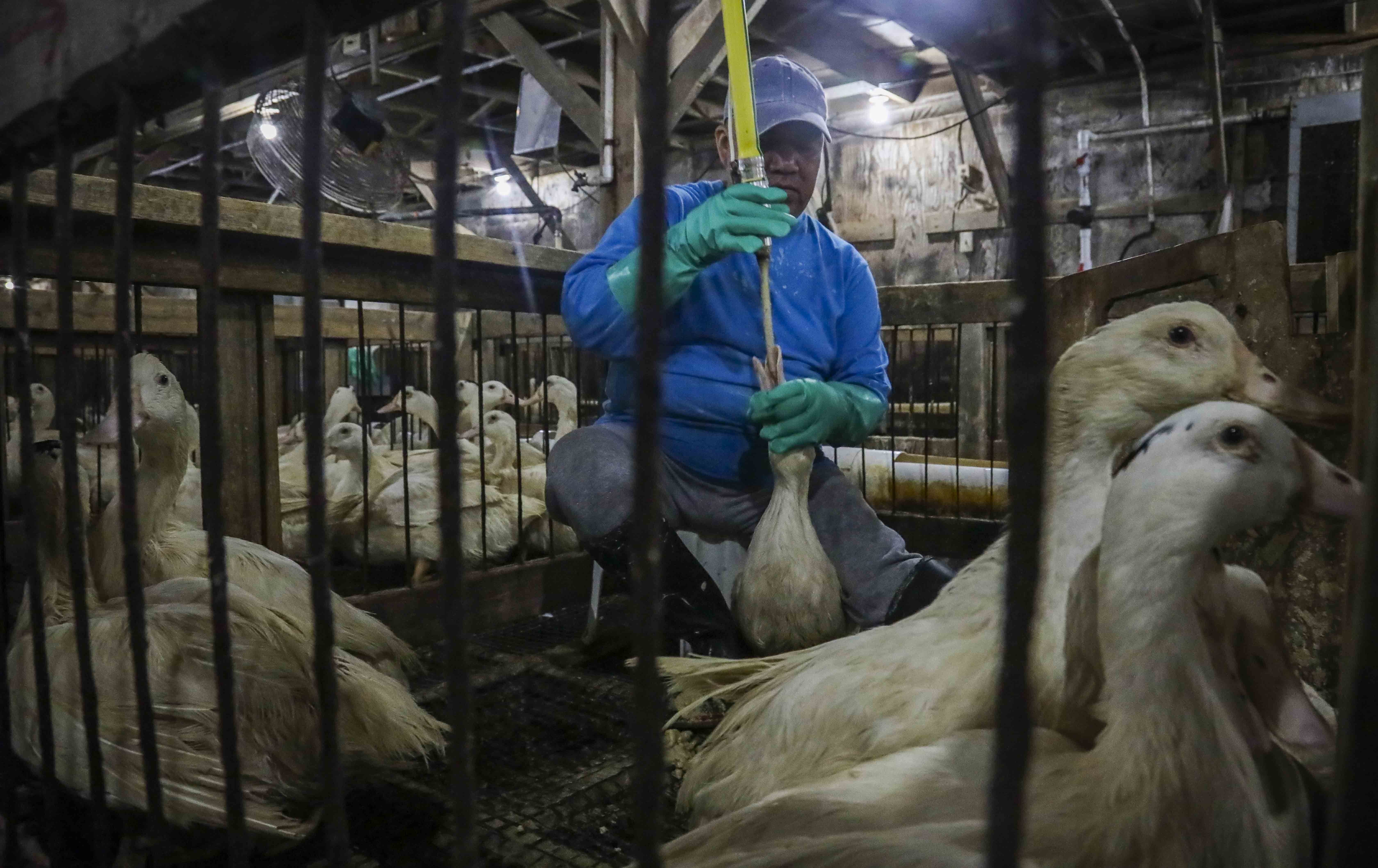
President Luiz Inácio Lula da Silva has signed a law prohibiting the production and sale of foie gras in Brazil, a move celebrated by animal welfare groups but which has reignited trade friction with France. The new legislation, effective in six months, bans products derived from forced feeding of animals, a method used to produce foie gras by introducing a tube into the throats of ducks and geese to accelerate liver growth. Violators face penalties including imprisonment, fines, and administrative sanctions. The bill, first introduced in 2020, was approved by Congress after a previous attempt failed. Animal protection organizations lobbied for the measure, citing that forced feeding can increase animal mortality rates significantly compared to other farming methods. Although Brazil's foie gras market is small, valued at approximately €1 million annually and concentrated in high-end restaurants and major cities, the decision has drawn immediate attention from France, the world's leading producer. French industry groups have already requested diplomatic intervention from the European Union, viewing the ban as a potential "violation" of the recent Mercosul-EU trade agreement. French producers are concerned that this ban could set a precedent for other European agricultural products, especially given that foie gras is recognized under protected geographical indications within the trade deal. This controversy highlights the tension between consumer protection standards and international trade agreements, particularly concerning agricultural practices and animal welfare. Brazil now joins a select group of countries with such comprehensive bans, exceeding regulations in some European nations where production may be restricted but commercialization is still permitted.
Brazil's prohibition of foie gras production, based on animal welfare concerns regarding forced feeding, introduces a complex dynamic into its trade relationship with France and the broader Mercosul-EU agreement. While framed as a victory for animal rights, the decision challenges the principle of "mirror clauses" that the EU often advocates for in trade deals, creating a potential contradiction. The economic impact on France, though modest at €1 million annually, is less significant than the symbolic precedent this ban may set for other European agricultural products. This situation underscores the growing global divergence between traditional agricultural practices and evolving ethical standards, forcing a re-evaluation of how trade agreements accommodate diverse societal values and technological advancements in food production. Future trade negotiations may need to more explicitly address these ethical considerations to prevent such disputes.
AI-generated to prompt reflection — not editorial opinion, not advice, not a statement of fact. How this works.