Brazil Blocks Trump's Ambassador Choice, Escalating US Tensions
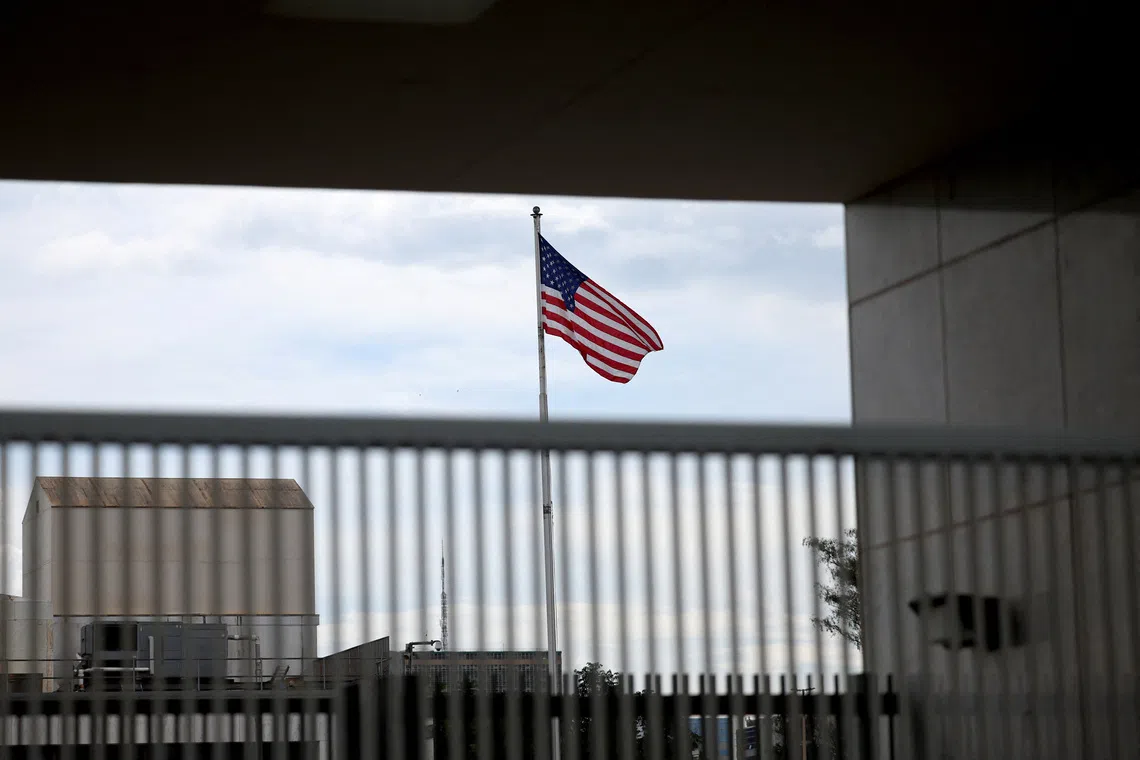
Brazil has refused to approve the United States' chosen ambassador, a decision that has intensified diplomatic friction between the two nations. This move by Brazil could lead to retaliatory measures from the U.S. as early as the end of this week, should the dispute remain unresolved. The specific reasons for Brazil's withholding of approval have not been detailed, but the situation highlights a significant diplomatic standoff. The U.S. administration, under President Trump, has faced similar challenges with ambassadorial confirmations in other countries, though this instance marks a notable escalation with a major South American partner. The potential for punitive actions suggests a serious breakdown in bilateral relations, with implications for trade, security, and regional cooperation. Observers are closely watching to see if diplomatic channels can de-escalate the situation before further consequences are imposed.
The U.S. administration's ambassadorial selection process appears to be encountering significant friction with sovereign nations, potentially stemming from a perceived lack of consultation or an overestimation of diplomatic leverage. Brazil's refusal to approve the nominee suggests a strengthening of its independent foreign policy stance, prioritizing national interests or domestic political considerations over immediate alignment with U.S. preferences. This standoff presents a critical test of diplomatic negotiation skills and could signal a broader trend of shifting global power dynamics, where traditional alliances face re-evaluation. The potential for punitive U.S. actions, while a tool of statecraft, carries risks of further alienating partners and could negatively impact long-term bilateral and multilateral relationships, particularly in a globalized economy increasingly reliant on cooperation.
AI-generated to prompt reflection — not editorial opinion, not advice, not a statement of fact. How this works.