Brazil braces for Super El Niño's extreme weather impacts
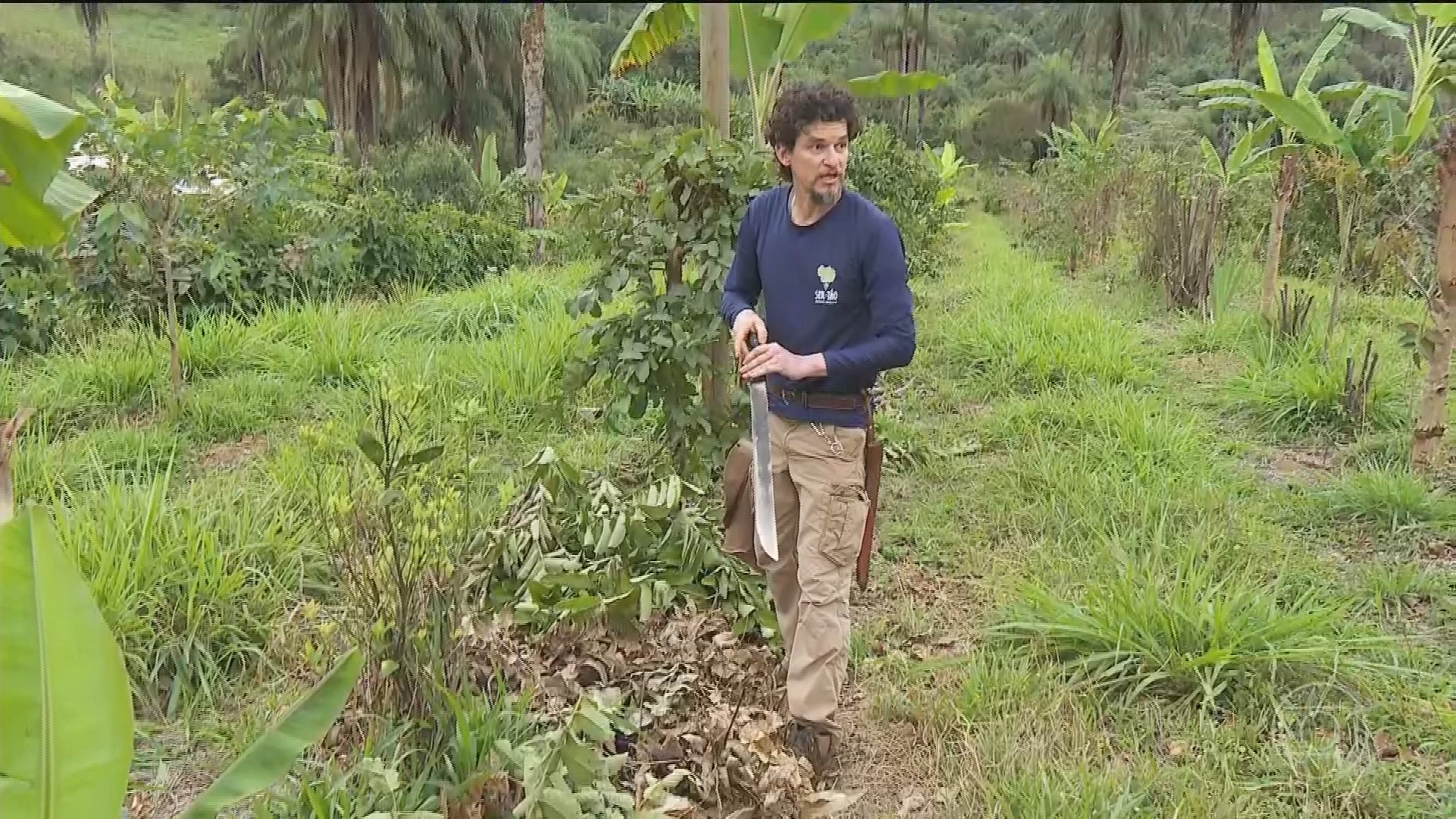
Brazil is preparing for the potential impacts of a "Super El Niño" phenomenon, which is causing concern among government officials and rural producers. The event, characterized by abnormal warming of Pacific waters, is expected to bring extreme weather conditions across the country. Farmers are anticipating both heavy rainfall and severe drought, prompting them to adopt resilient agricultural practices. Lucas Sigefredo, a farmer in the Greater Belo Horizonte area, utilizes agroforestry and biodiversity techniques, such as using pruned eucalyptus for organic cover, to improve soil quality and conserve moisture. He believes these regenerative systems enhance resilience against upcoming challenges. Experts like Pedro Loyola, coordinator of the Rural Credit and Insurance Observatory at FGV Agro, advise staggered planting schedules to mitigate the risks associated with planting all crops at once during unpredictable weather periods. The phenomenon's effects are projected to include above-average rainfall in the South, drought in the North and Northeast, and intense heat with irregular rain in the Center-West and Southeast. Beyond agriculture, the El Niño poses risks to urban safety, as seen in Sabará, near Belo Horizonte, which experienced flash floods and landslides in late 2025. Civil Defense in Sabará is proactively identifying at-risk areas to prevent potential disasters. Marcelo Seluchi, coordinator of Operations at Cemaden, emphasizes the necessity of municipal contingency plans, especially for heavy rainfall events that can cause flooding and landslides. He also highlights the importance of ensuring infrastructure like dams and reservoirs are adequately prepared. In Rio Grande do Sul, which suffered devastating floods two years ago, protection systems have undergone maintenance, and security forces from the Southern Region have conducted joint training to align response protocols, as noted by Colonel Jeferson de Souza of the Santa Catarina Fire Department.
The anticipated "Super El Niño" highlights the increasing vulnerability of Brazil's diverse regions and economic sectors to climate extremes. While adaptive farming techniques and staggered planting are rational responses, the scale of the potential impacts, including severe droughts and floods, suggests a need for more robust, nationwide infrastructure and disaster preparedness strategies. The event underscores the systemic challenge of climate change, where localized resilience efforts, though valuable, may be insufficient against widespread meteorological shifts. Future planning must integrate advanced climate modeling with coordinated public policy to mitigate risks to both agricultural productivity and urban safety, ensuring that preparedness measures evolve ahead of, rather than in reaction to, extreme weather events.
AI-generated to prompt reflection — not editorial opinion, not advice, not a statement of fact. How this works.