Brazil Challenges US Tariffs at Weakened WTO, Signaling Diplomatic Stance
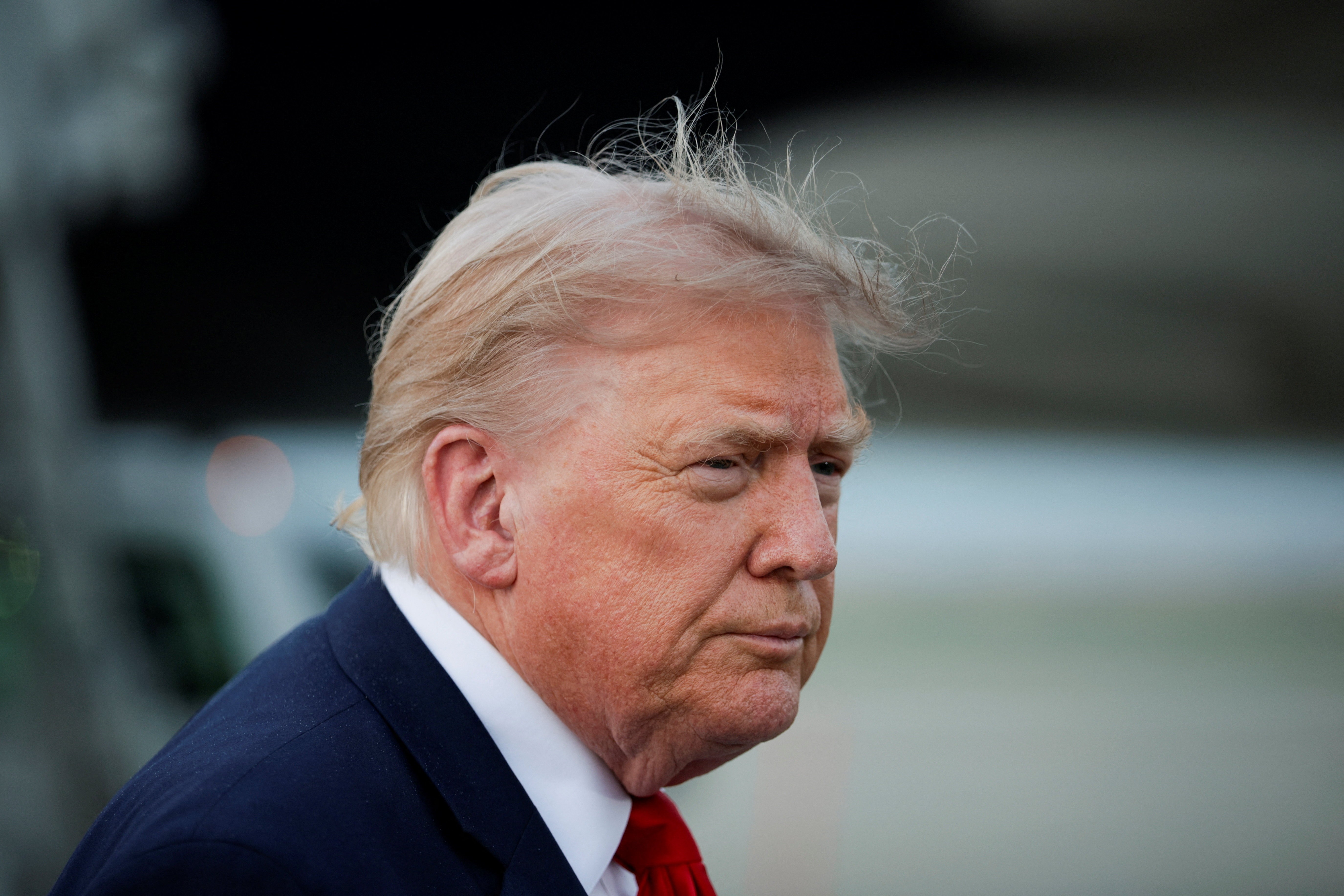
Brazil has formally challenged new tariffs imposed by the United States on Brazilian products at the World Trade Organization (WTO). This action comes at a time when the WTO's dispute settlement system, particularly its Appellate Body, is largely paralyzed due to the U.S. blocking appointments of new members. The Brazilian government's move questions a 25% tariff on certain Brazilian goods, imposed after an investigation into alleged unfair trade practices, and an additional 12.5% surcharge on over 60 trading partners related to trade in goods involving forced labor. Experts suggest Brazil's objective is not a swift resolution to remove the tariffs, but rather to formalize its objection, bolster its diplomatic standing, and establish a legal basis for future trade negotiations. The WTO, established in 1995 to regulate international trade, has seen its primary appeal system effectively stalled since 2019, leading some to describe Brazil's action as more symbolic than effective, potentially reducing the organization to a consultative forum. This situation reflects a broader trend where major economies are increasingly prioritizing political means over multilateral rules to advance their economic interests, with the U.S. and China diverging from the WTO's central role. Brazil's recourse to the WTO reaffirms its commitment to multilateralism and international trade rules, aiming to build legal precedent for future disputes. Historically, Brazil has utilized the WTO to contest trade practices, notably winning a significant case against U.S. cotton subsidies in 2002, which eventually led to U.S. payments and policy changes. The current process begins with consultations between Brazil and the U.S., with potential escalation to a panel of experts if no agreement is reached, though a final resolution may be protracted due to the Appellate Body's limitations.
Brazil's decision to file a complaint at the WTO against U.S. tariffs, despite the organization's diminished capacity, highlights a strategic diplomatic maneuver. This action serves to publicly assert adherence to multilateral trade principles and to construct a legal record, even if immediate enforcement is unlikely. It underscores a global shift where geopolitical considerations and bilateral negotiations increasingly influence trade outcomes, potentially marginalizing established international dispute resolution mechanisms. The move may also signal Brazil's intent to leverage international norms to counterbalance the economic power of larger nations, seeking to influence future trade practices through precedent rather than immediate sanction, while also exploring alternative reciprocity measures.
AI-generated to prompt reflection — not editorial opinion, not advice, not a statement of fact. How this works.