Brazil Challenges US Tariffs at WTO Over Trade Practices and Forced Labor Concerns
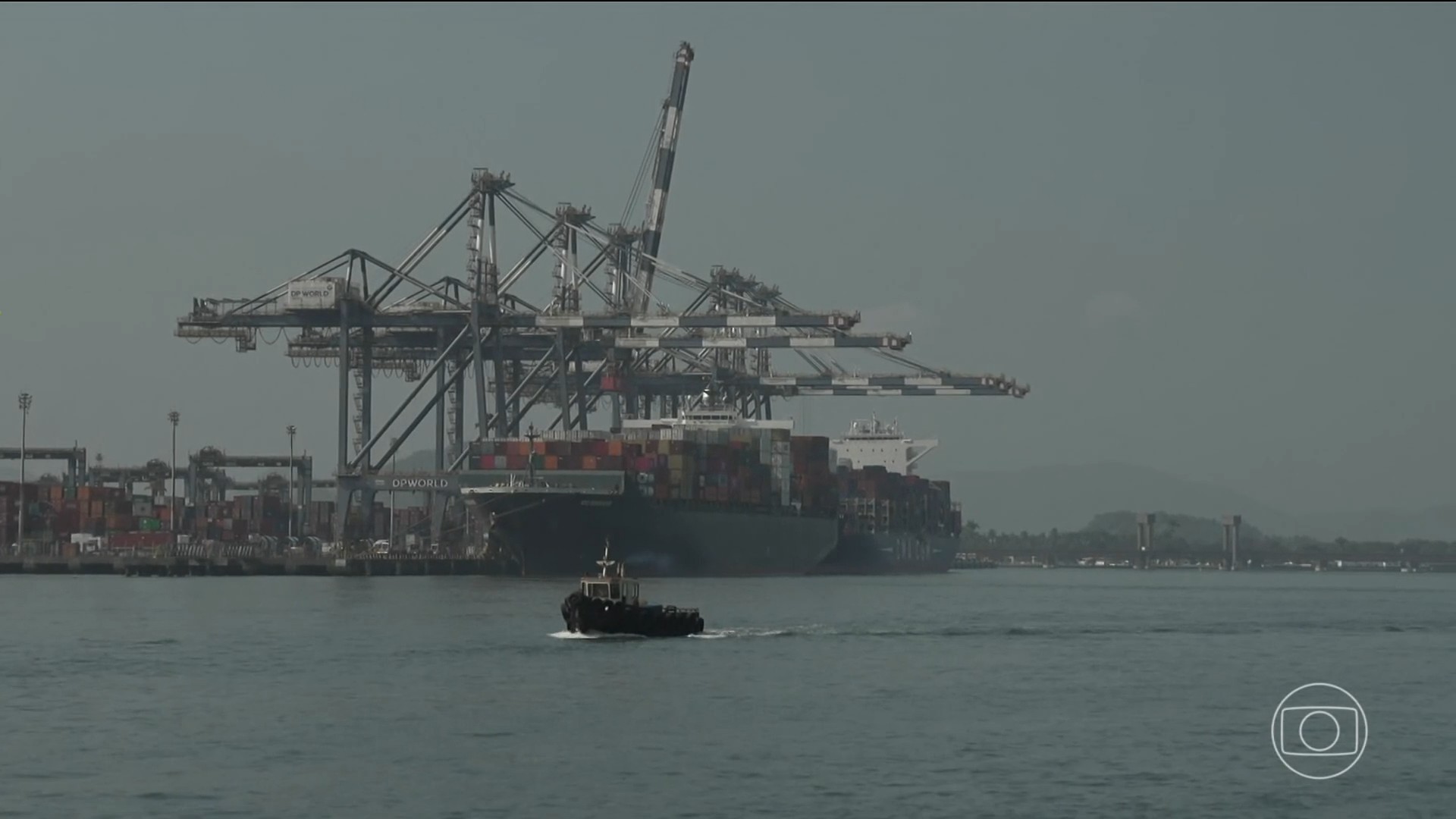
Brazil's Ministry of Foreign Affairs announced on Wednesday, August 6, that the Brazilian government has initiated action at the World Trade Organization (WTO) against tariffs imposed by the Trump administration on Brazilian exports to the United States. The Brazilian government formally submitted a "request for consultation" to the WTO, headquartered in Geneva, Switzerland. This request specifically addresses two tariffs announced by the U.S. under Section 301 of its 1974 Trade Act. The first tariff, set at 25%, stems from the U.S. belief that Brazil engages in unfair economic practices against American businesses. The second, more recent tariff of 12.5%, was imposed based on the U.S. conclusion that numerous countries, including Brazil, failed to prohibit or monitor the import of goods produced using forced labor. Brazil contends that these U.S. measures are unjustified and violate U.S. obligations under the General Agreement on Tariffs and Trade of 1994 (GATT 1994) and the WTO's Dispute Settlement Understanding. The consultation is a preliminary step before a potential panel, the WTO's judgment mechanism. Despite this formal challenge, some Brazilian diplomats view the action as largely symbolic, intended to register Brazil's position against the U.S. measures.
Brazil's formal challenge at the WTO represents a strategic move to assert its trade rights and signal dissatisfaction with U.S. unilateral tariff actions. By invoking WTO dispute settlement mechanisms, Brazil seeks to leverage international trade law to counter measures it deems incompatible with global agreements. This action highlights the ongoing tension between national trade policies and multilateral commitments, particularly in an era of increasing protectionist sentiment. The WTO process, while offering a structured avenue for dispute resolution, can be lengthy and its outcomes are not always decisive, especially when facing actions taken under national security or other broad legislative authorities. Brazil's approach underscores the importance of robust international institutions in managing trade disputes, even as the effectiveness of these bodies is continually tested by sovereign economic interests.
AI-generated to prompt reflection — not editorial opinion, not advice, not a statement of fact. How this works.