Brazil Coffee Farmers Rush Harvest Amidst Severe Storms and Crop Damage
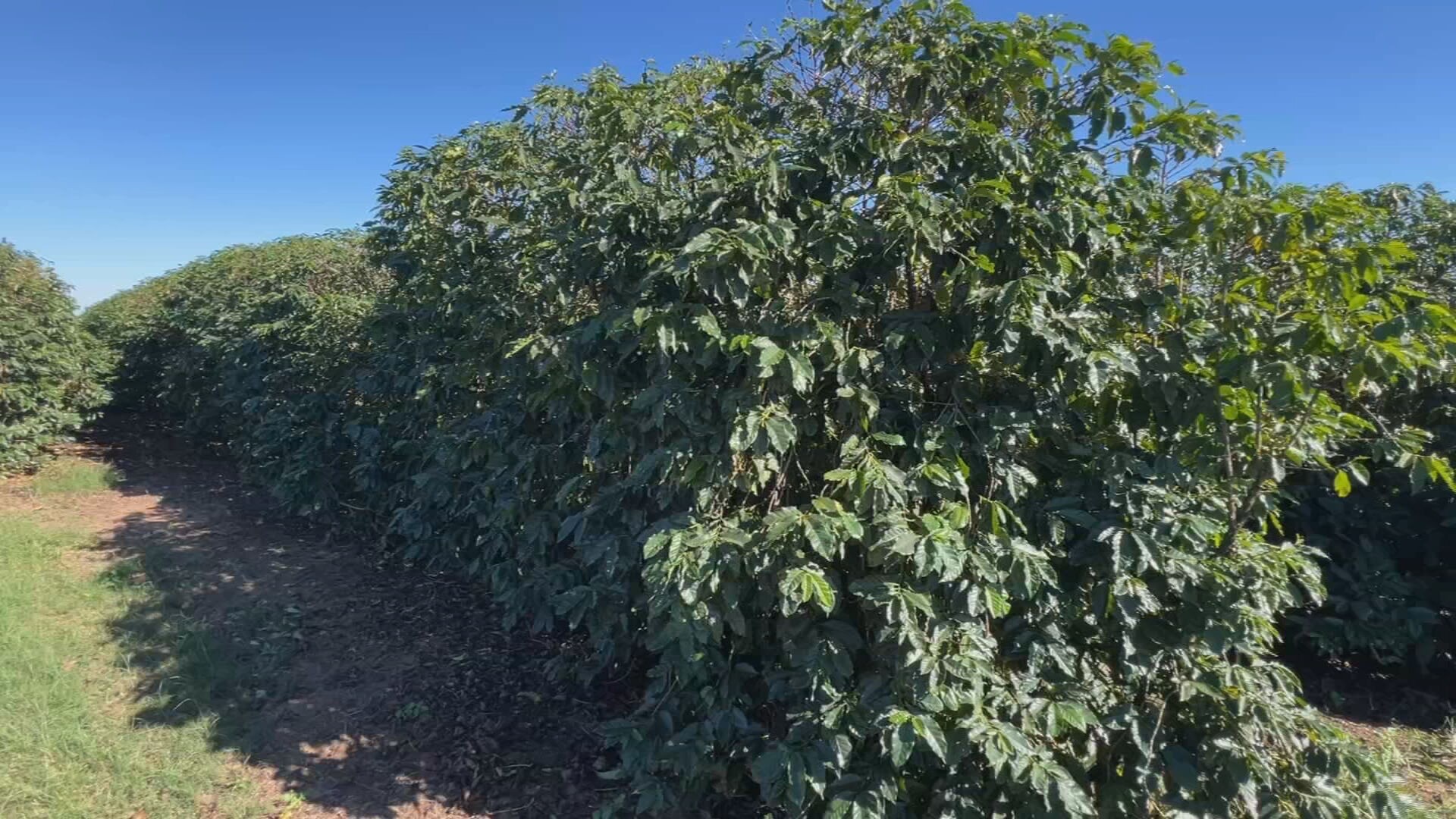
Severe weather, including heavy rains, strong winds, and hail, is devastating coffee plantations in Garça, São Paulo state, Brazil. These climatic instabilities are causing significant losses for coffee farmers, with many reporting nearly half of their harvest ruined before completion. The storms lead to coffee beans falling from branches and contacting the wet ground, which compromises the quality of the final product and disrupts harvesting operations. Producer José Carlos de Morais Filho, managing 370,000 coffee plants, has already lost 40% of his production to the ground, estimating a financial loss of R$400 per bag and a total projected deficit of approximately R$700,000. Similarly, Ellaritta Crude, who cultivates 450 hectares of coffee using rain-fed irrigation, anticipates a 40% crop loss, equating to R$7,000 in damages per affected hectare. To salvage what remains, farmers are intensifying the use of machinery to collect beans directly from trees before further cold fronts arrive. Manual harvesting, though slower and more expensive, has become a necessary emergency measure to secure the mature beans that have withstood the adverse weather conditions.
The extreme weather events impacting Brazil's coffee-growing regions highlight the increasing vulnerability of agricultural sectors to climate change. This situation underscores the critical need for enhanced climate resilience strategies in food production systems. Farmers are forced into costly emergency measures, such as accelerated harvesting and manual labor, to mitigate immediate losses. Such reactive approaches, while necessary for short-term survival, may not be sustainable long-term. Future agricultural planning should consider investments in climate-resilient infrastructure, diversified crop management, and advanced weather forecasting to better anticipate and adapt to such disruptions, ensuring greater stability for global commodity markets and the livelihoods of producers.
AI-generated to prompt reflection — not editorial opinion, not advice, not a statement of fact. How this works.