Brazil Condemns US Tariffs as 'Regrettable Milestone' in Bilateral Relations
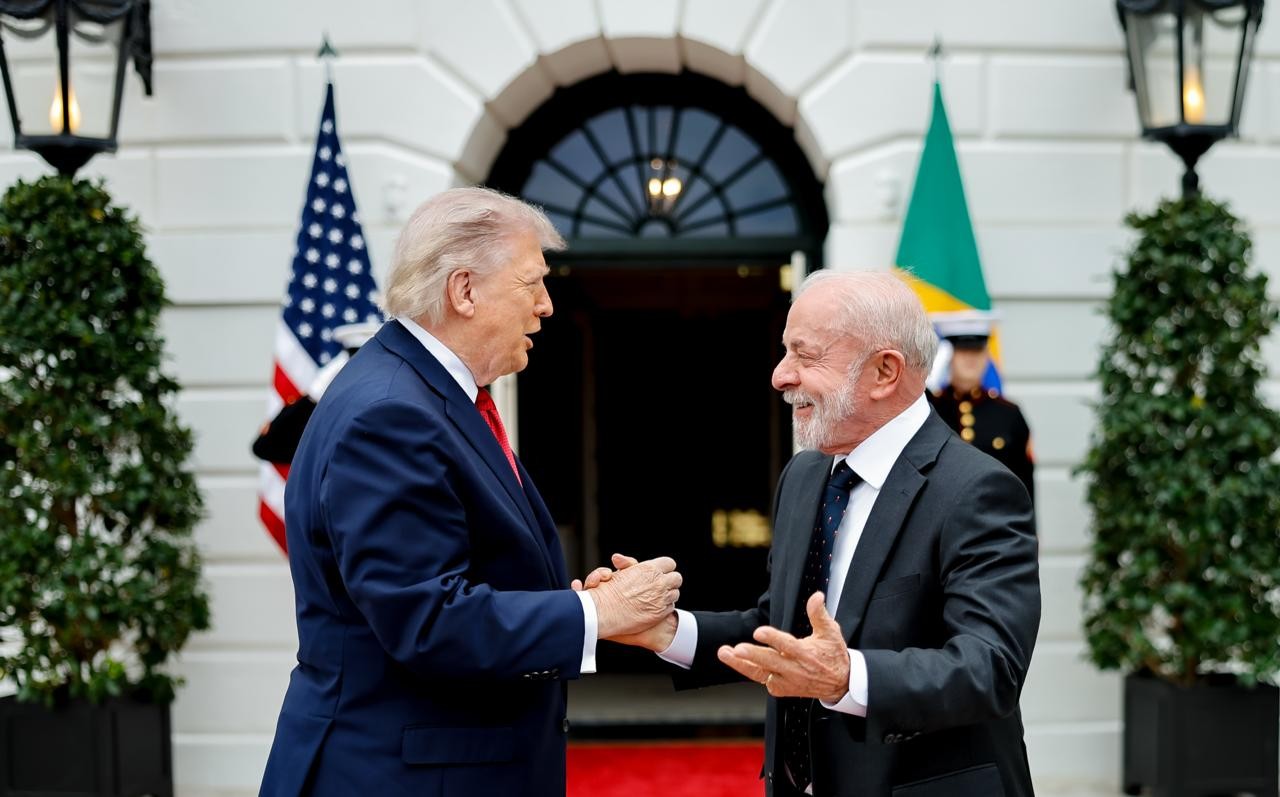
Brazil's government has strongly condemned the United States' decision to impose a 25% tariff on Brazilian products, effective July 22nd. President Luiz Inácio Lula da Silva's administration declared July 15th a "regrettable milestone" in Brazil-US relations. This measure stems from a year-long trade investigation by the USTR under Section 301 of the Trade Act of 1974, which addresses alleged trade barriers. Brazil's government disputes the justification for these unilateral actions, highlighting a significant trade surplus of $424.5 billion accumulated by the US with Brazil over the past 15 years. They also argue that the investigation lacks legitimacy under multilateral trade rules and assert Brazil has always been open to negotiation. Specific allegations against Brazil's digital payment system PIX, digital platform regulation, and deforestation practices were dismissed as baseless and absurd. The Brazilian government defended PIX as a national asset and international benchmark for digital public infrastructure, vowing to protect citizens from what they termed the "greed of a handful of techno-oligarchs." Brazil announced it will initiate proceedings to invoke its reciprocity law at the World Trade Organization (WTO). Despite the tariffs, certain key Brazilian exports like beef, chicken, coffee, and oranges will be exempt. Technical teams from both countries met recently to discuss the investigation, with Brazil reiterating its view that the tariffs are unjust. The reciprocity law, enacted in response to previous US tariffs, allows Brazil to retaliate against countries imposing barriers.
The imposition of US tariffs on Brazilian goods, framed by Brazil as a "regrettable milestone," highlights a recurring tension in international trade relations where national security or trade practice investigations are used to implement protectionist measures. Brazil's response, invoking reciprocity and emphasizing its trade surplus, underscores a strategic defense against perceived unilateralism. The differing interpretations of trade practices, particularly concerning digital infrastructure like PIX and environmental regulations, reveal fundamental divergences in regulatory philosophy and national interests. As global trade frameworks evolve, such disputes may increasingly center on the regulation of digital economies and the enforcement of environmental standards, testing the adaptability of existing multilateral agreements and potentially reshaping bilateral economic strategies over the next decade.
AI-generated to prompt reflection — not editorial opinion, not advice, not a statement of fact. How this works.