Brazil Considers Increasing Ethanol in Gasoline from 30% to 32%
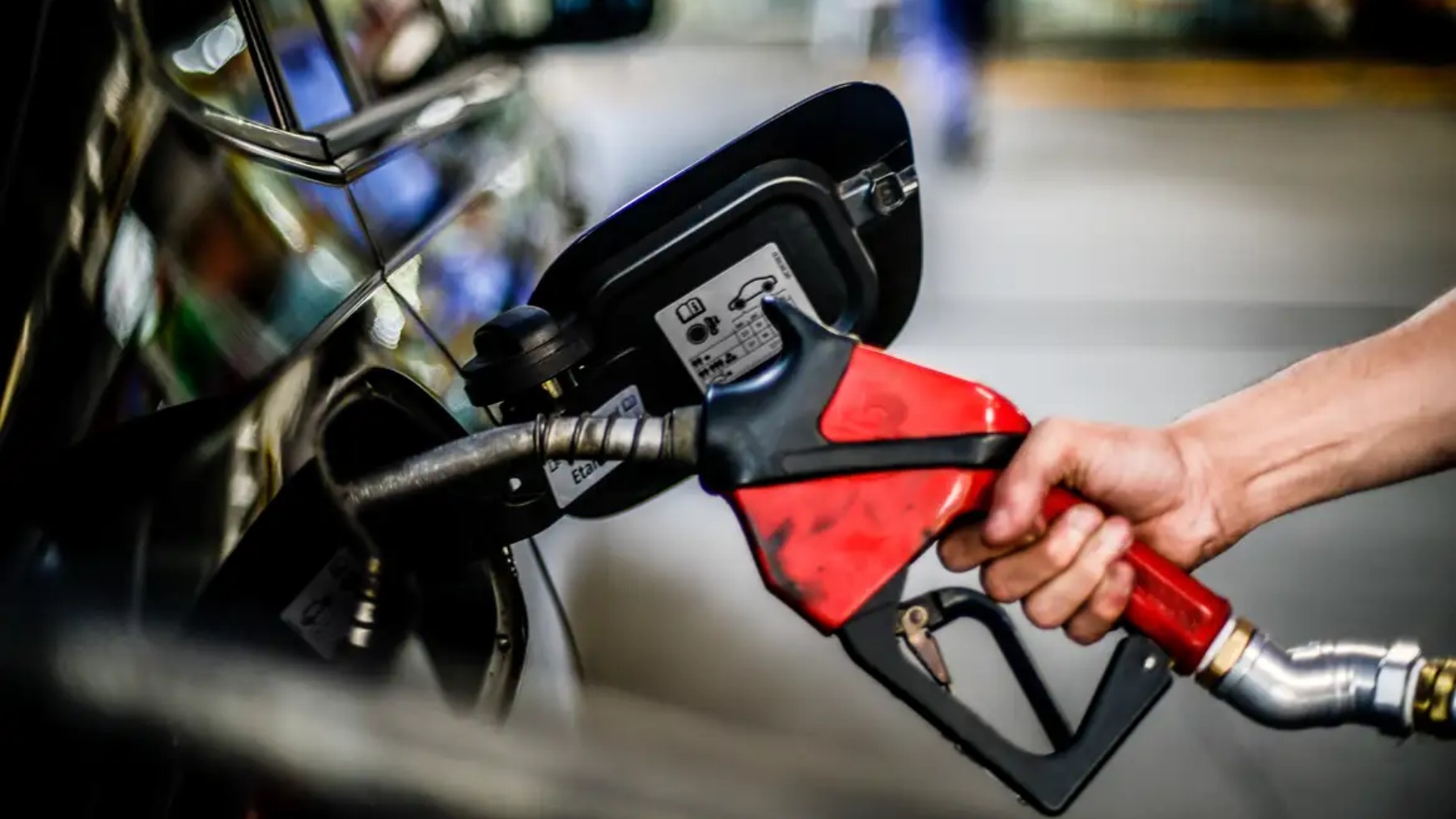
Brazil's National Council for Energy Policy (CNPE) is set to decide on increasing the anhydrous ethanol blend in gasoline from the current 30% to 32%. This move aims to mitigate the impact of fluctuating international oil prices and has been under government discussion for months. However, automotive experts and engineers express concerns about potential adverse effects on older vehicles or those not specifically calibrated for higher ethanol content. The primary issues revolve around material compatibility, as some components, especially in imported or older cars designed for lower ethanol blends, may degrade or corrode due to ethanol's hygroscopic nature and its potential to carry water into the engine. This can lead to electrochemical corrosion and damage to metal parts. The entire fuel system, including the tank, fuel pump, lines, injectors, combustion chamber, pistons, and seals, needs to withstand the increased ethanol concentration. The National Association of Vehicle Manufacturers (Anfavea) has advocated for more comprehensive testing before implementing the change, emphasizing the need for rigorous testing schedules. Engineers warn that increased ethanol content can lead to corrosion and wear in fuel injection systems, potentially causing malfunctions, increased emissions, higher fuel consumption, and even total component failure, particularly in fuel pumps and injectors. Older vehicles, especially those with carburetors or simpler electronic injection systems, are at higher risk as their Engine Control Units (ECUs) may not be able to adequately adjust for the higher ethanol blend, leading to engine overheating and frequent failures. Modern imported vehicles without flex-fuel technology might also experience significant fuel consumption increases. Additionally, the increased ethanol content could accelerate fuel filter clogging and necessitate earlier replacement of spark plugs due to higher combustion temperatures and potential calibration issues.
Brazil's proposed increase in gasoline's ethanol blend from 30% to 32% reflects a strategic effort to leverage domestic biofuel production for energy security and price stability, aligning with global decarbonization trends. However, the policy necessitates a careful balancing act between energy policy goals and automotive infrastructure readiness. The potential for increased wear and tear on older vehicles highlights a systemic challenge in transitioning energy sources: ensuring that technological advancements in fuel do not outpace the durability and adaptability of existing vehicle fleets. This situation underscores the importance of proactive lifecycle assessments for fuel blends, considering not only environmental benefits but also the long-term economic and operational impacts on consumers and the automotive maintenance sector. Future energy transitions will likely require more integrated planning between fuel producers, vehicle manufacturers, and regulatory bodies to manage such compatibility challenges effectively.
AI-generated to prompt reflection — not editorial opinion, not advice, not a statement of fact. How this works.