Brazil Considers Pharmaceutical Patents, WTO Dispute in Retaliation Against US Tariffs
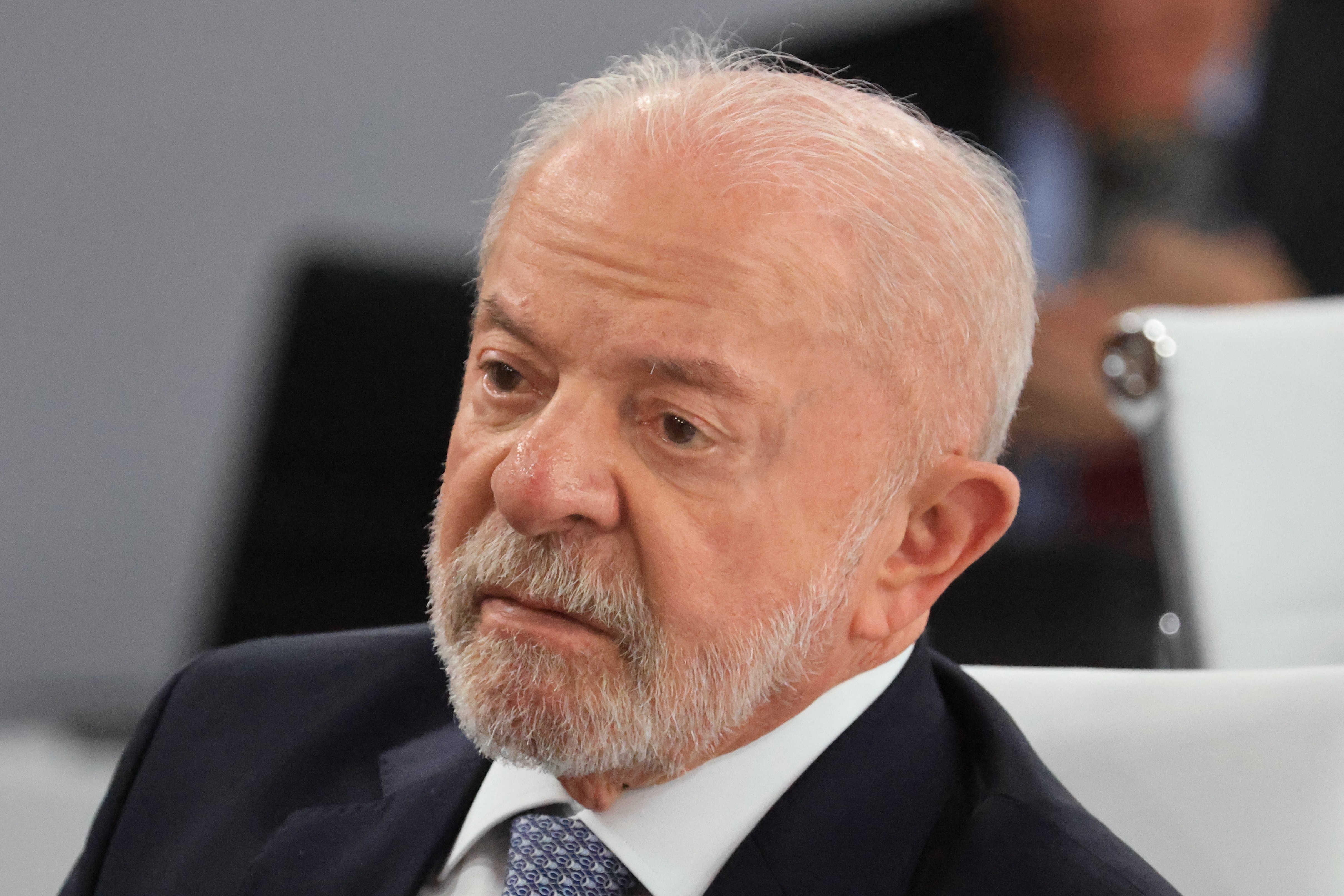
Brazil is preparing a robust response to new U.S. tariffs on its exports, potentially involving the pharmaceutical sector and a renewed dispute at the World Trade Organization (WTO). Government officials are meeting to analyze the U.S. measures and formulate retaliatory actions, with options to be presented to President Luiz Inácio Lula da Silva. Sources indicate the response is unlikely to be mild. Brazil may revive strategies considered last year under its Reciprocity Law, such as blocking dividend payments or imposing restrictive taxes on audiovisual royalties, a sector where the U.S. holds a significant trade advantage. The pharmaceutical sector could also be targeted through patent invalidation for medicines, and the agricultural sector via similar measures on seeds. These options were previously deemed viable as they would not disrupt Brazil's production chain or cause domestic inflation. However, consultations with affected sectors are necessary, as Brazil anticipates a counter-retaliation from the U.S., which has warned it will "review its actions." Brazilian private sector concerns include potential further market closures by the U.S. for Brazilian products. Notably, Brazilian exports to the U.S. fell 13% in the first half of this year, while Brazil's overall exports grew 5.1%. The government also plans to reactivate a WTO dispute initiated last year. This process could expedite action, allowing Brazil to request a dispute panel, which, if granted, would provide legal grounds for international retaliation, even if the U.S. currently disregards multilateral mechanisms. Brazil's official statement confirmed immediate steps to invoke the Reciprocity Law and pursue the WTO dispute.
Brazil's potential response to U.S. tariffs highlights a strategic recalibration of trade policy, moving beyond immediate tariff-for-tariff measures to explore leverage points in intellectual property and international dispute resolution. The consideration of pharmaceutical patent challenges and WTO litigation signals a sophisticated approach, aiming to impose significant economic pressure while seeking international legitimacy. This strategy acknowledges the limitations of direct trade wars and seeks to exploit systemic vulnerabilities in global trade governance. The effectiveness of these measures will depend on the precise legal grounds for WTO action and the global market's reaction to potential patent disputes, particularly in critical sectors like pharmaceuticals. The situation underscores the ongoing tension between national economic interests and the framework of multilateral trade agreements in an era of increasing protectionism.
AI-generated to prompt reflection — not editorial opinion, not advice, not a statement of fact. How this works.