Brazil Continues US Tariff Talks, Seeks More Exceptions
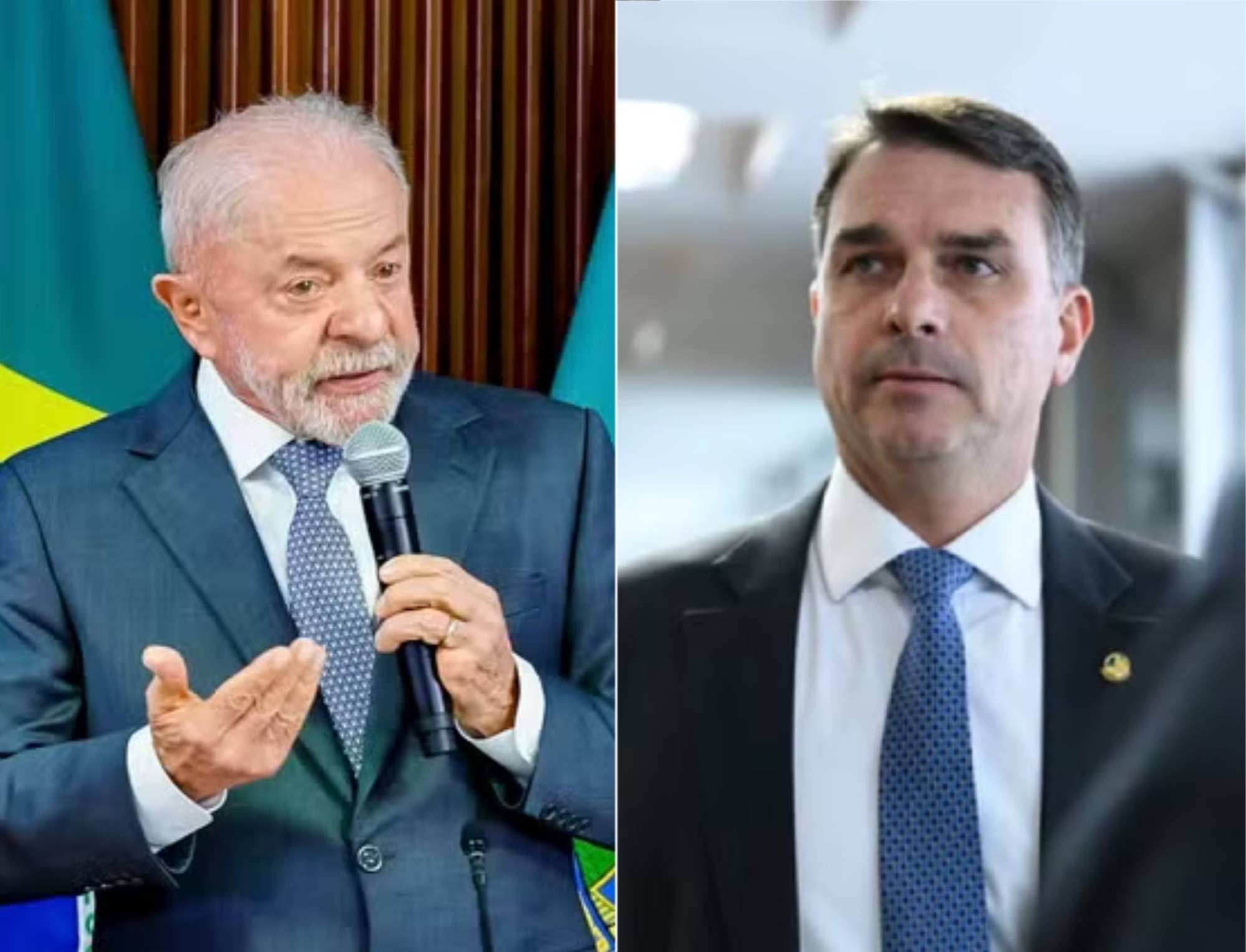
The Brazilian government is maintaining negotiations with the United States to prevent the implementation of new tariffs on its exports. However, the administration believes all arguments have been presented and is now focused on securing an expanded list of exceptions for products that would be exempt from the proposed tariffs. The final decision rests with U.S. President Donald Trump, to whom requests are being sent urging him to reconsider imposing new 25% and 12.5% tariffs on Brazilian goods. The government of President Luiz Inácio Lula da Silva (PT) argues that Trump will abandon these tariffs if he considers their detrimental impact on the American economy. The deadline for this decision is July 15th, and Brazil anticipates a final resolution rather than a postponement. A delay would be interpreted as a political signal to Flávio Bolsonaro, potentially bolstering his presidential campaign. Bolsonaro, who is seeking an extension of the tariff decision during his stay in the United States, aims to secure a political gesture from President Trump. Trump had previously shown signs of rapprochement with Bolsonaro, including a meeting at the White House, which temporarily cooled relations with the current Brazilian president. Such a postponement would be framed as a victory for Bolsonaro, who has faced criticism from the Lula administration for allegedly aligning too closely with U.S. interests.
The Brazilian government's strategy centers on diplomatic negotiation and the pursuit of tariff exceptions, appealing to the economic self-interest of the United States. This approach highlights the complex interplay between international trade policy, domestic political considerations in both nations, and the influence of key political figures. The potential for a tariff decision to become entangled with electoral politics, as suggested by the dynamics involving Flávio Bolsonaro, underscores the broader trend of trade issues being leveraged for political gain. Looking ahead, the reliance on presidential discretion in trade matters, particularly concerning potential tariffs, reveals systemic vulnerabilities in global trade governance. Future trade frameworks may need to incorporate more robust, predictable mechanisms that are less susceptible to individual political whims or electoral cycles, ensuring greater stability for international commerce and fostering more equitable economic relationships.
AI-generated to prompt reflection — not editorial opinion, not advice, not a statement of fact. How this works.