Brazil Court Denies Appeal to Overturn Conviction of Jairinho in Henry Borel Case
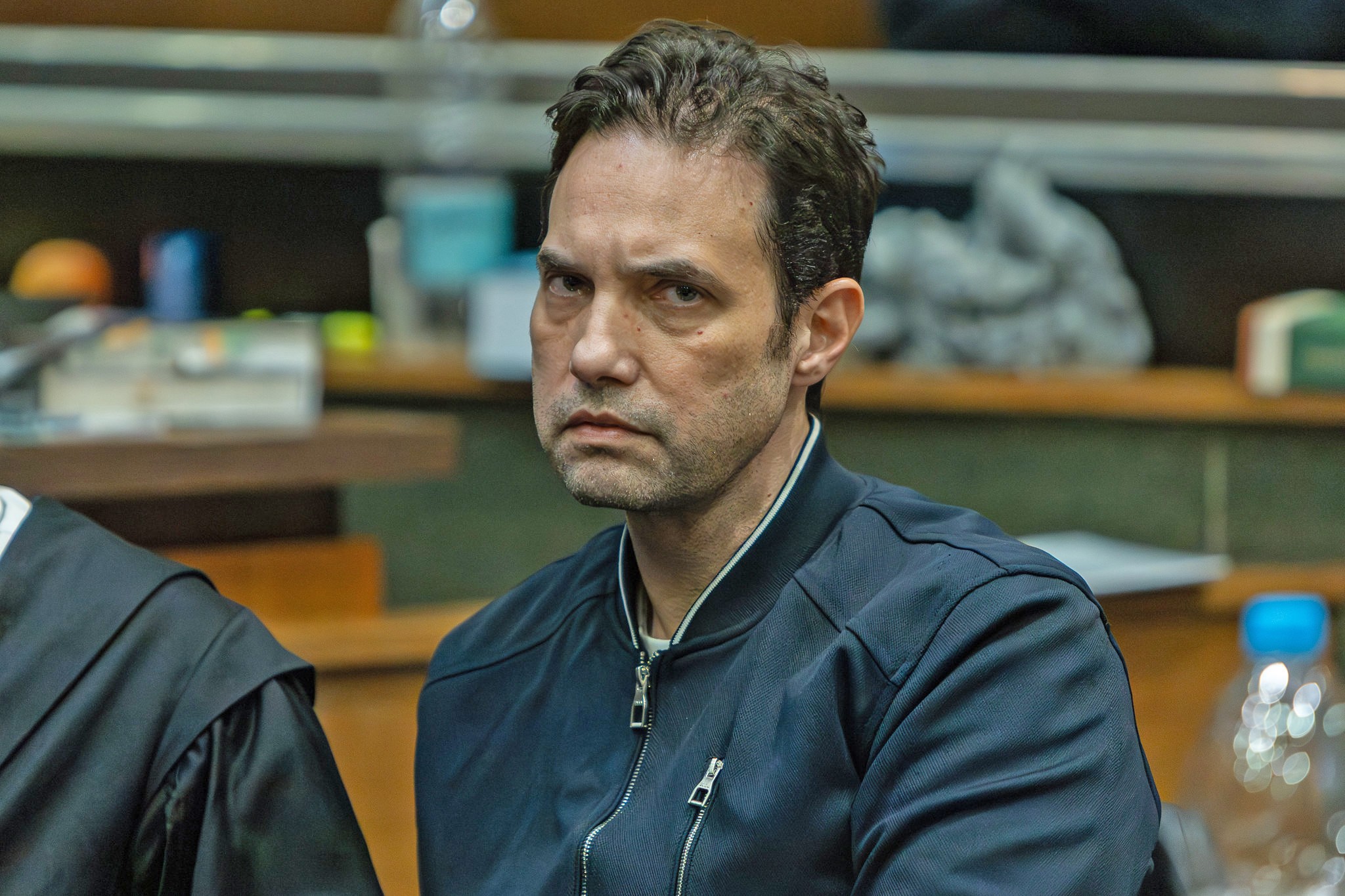
The Court of Justice of Rio de Janeiro (TJRJ) has denied an appeal filed by the defense of former councilman Jairo Santos Souza Júnior, known as Dr. Jairinho. This appeal sought to nullify his conviction for the torture and death of four-year-old Henry Borel. The decision was made by the 2nd Vice-President of the court, Judge Maria Angélica Guerra Guedes, on Thursday, the 16th. The defense's request aimed to overturn a previous ruling that rejected their plea to move the jury trial from the capital due to alleged excessive media coverage potentially compromising juror impartiality. Judge Guedes concluded that the defense failed to present evidence of any illegality in the prior decision. She emphasized that altering the previous ruling would require re-examining the case's evidence, which is not permissible in this type of appeal, citing Supreme Court of Justice (STJ) precedent. Henry Borel's father, Leniel Borel, who is assisting the prosecution, stated that this decision reinforces that there was no valid reason to relocate the trial. He highlighted that the case's widespread attention is a consequence of the severity of the events involving a young child and vowed to continue pursuing justice. Dr. Jairinho, Henry's stepfather, received a sentence of 43 years, 9 months, and 20 days for qualified homicide, torture, and coercion. The presiding judge, Elizabeth Machado Louro, characterized Jairinho as having an "insidious personality, perfectly capable of deception and dissimulation," and noted Henry's extreme vulnerability. Monique Medeiros, Henry's mother, received judicial clemency for the negligent homicide charge. The judge cited that Medeiros had faced a "disproportionate and excessive reaction" from society, influenced by gender bias, and suggested a father in her situation might not have been prosecuted. Henry Borel died on March 8, 2021, with a post-mortem examination revealing internal bleeding and liver laceration caused by blunt force trauma. A police investigation concluded that Jairinho caused the death through beatings, while Monique Medeiros was implicated for her omission. A simulation of the events identified 23 injuries from violent actions, ruling out an accidental fall. Jairinho and Medeiros were arrested on April 8, 2021, one month after Henry's death.
The TJRJ's denial of Dr. Jairinho's appeal underscores the legal system's commitment to upholding jury verdicts against procedural challenges based on media influence. This ruling reinforces the principle that jury impartiality, while crucial, must be demonstrably compromised to warrant a change of venue, rather than being presumed due to public awareness. The court's reliance on STJ precedent highlights the narrow scope of appeals that permit re-examination of evidence, prioritizing finality in legal proceedings. The father's statement reflects the enduring impact of such tragic cases on victims' families and their pursuit of justice. The judicial clemency granted to Monique Medeiros, based on societal gender bias, introduces a complex layer concerning the intersection of legal judgment and evolving social norms. This decision prompts reflection on how societal perceptions and potential biases can influence judicial outcomes, particularly in cases involving parental responsibility and domestic tragedy. The case's progression through the legal system, from the initial investigation to the final sentencing and appeals, illustrates the intricate interplay between evidence, legal procedure, and public sentiment in high-profile criminal matters.
AI-generated to prompt reflection — not editorial opinion, not advice, not a statement of fact. How this works.