Brazil Court Denies Immediate Ban on Influencer's Gambling Ads
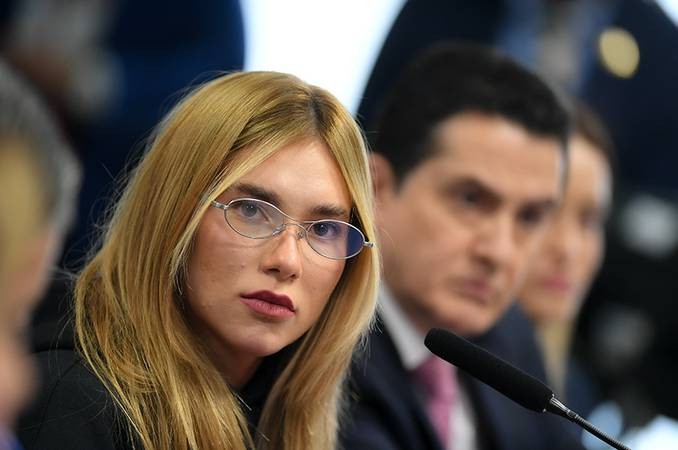
A Brazilian court has denied a request from the Public Prosecutor's Office to immediately suspend advertising materials and remuneration contracts linked to influencer Virginia Fonseca and the betting site Blaze. Judge Luciana Correa Sette Torres de Oliveira stated there was no risk of specific, irreversible, or difficult-to-repair damage by allowing the content to remain online until the case is fully heard and judged. The Public Prosecutor's Office alleges that Fonseca participated in a coordinated strategy by Blaze to attract bettors during the 2026 World Cup, specifically accusing her of misleading followers by encouraging bets on Cabo Verde's victory against Argentina. The prosecutor's office sought urgent measures, including a daily fine of R$1 million for ads promising fixed profits, guaranteed gains, or suggesting no risk, and for contracts linking influencer pay to bettor losses or betting volume. They also requested the removal of ads from Fonseca's social media that promised unrealistic profits or misled consumers. Fonseca's defense refutes the allegations, denying any collusion, predatory behavior, or intent to harm consumers, emphasizing that civil liability requires concrete proof. Blaze stated it had not been formally notified but remains committed to transparency and legal compliance.
This case highlights the evolving regulatory landscape for influencer marketing in the online gambling sector. While the court opted for a cautious approach by denying immediate suspension, the Public Prosecutor's Office's detailed allegations point to systemic concerns regarding consumer protection and potentially predatory advertising practices. The core issue revolves around the incentive structures for influencers, where remuneration might be tied to user losses or betting volume, creating a conflict of interest. Future regulatory frameworks may need to address the clarity of disclosures, the nature of performance-based compensation for influencers in high-risk industries, and the potential for emotional appeals to exploit consumer vulnerabilities, particularly in the context of major sporting events. The legal process will likely scrutinize the contractual terms and the actual impact of the influencer's promotions on consumer behavior and financial outcomes.
AI-generated to prompt reflection — not editorial opinion, not advice, not a statement of fact. How this works.