Brazil Court Halts Demolition of Over 2,000 Homes in RK Condominium
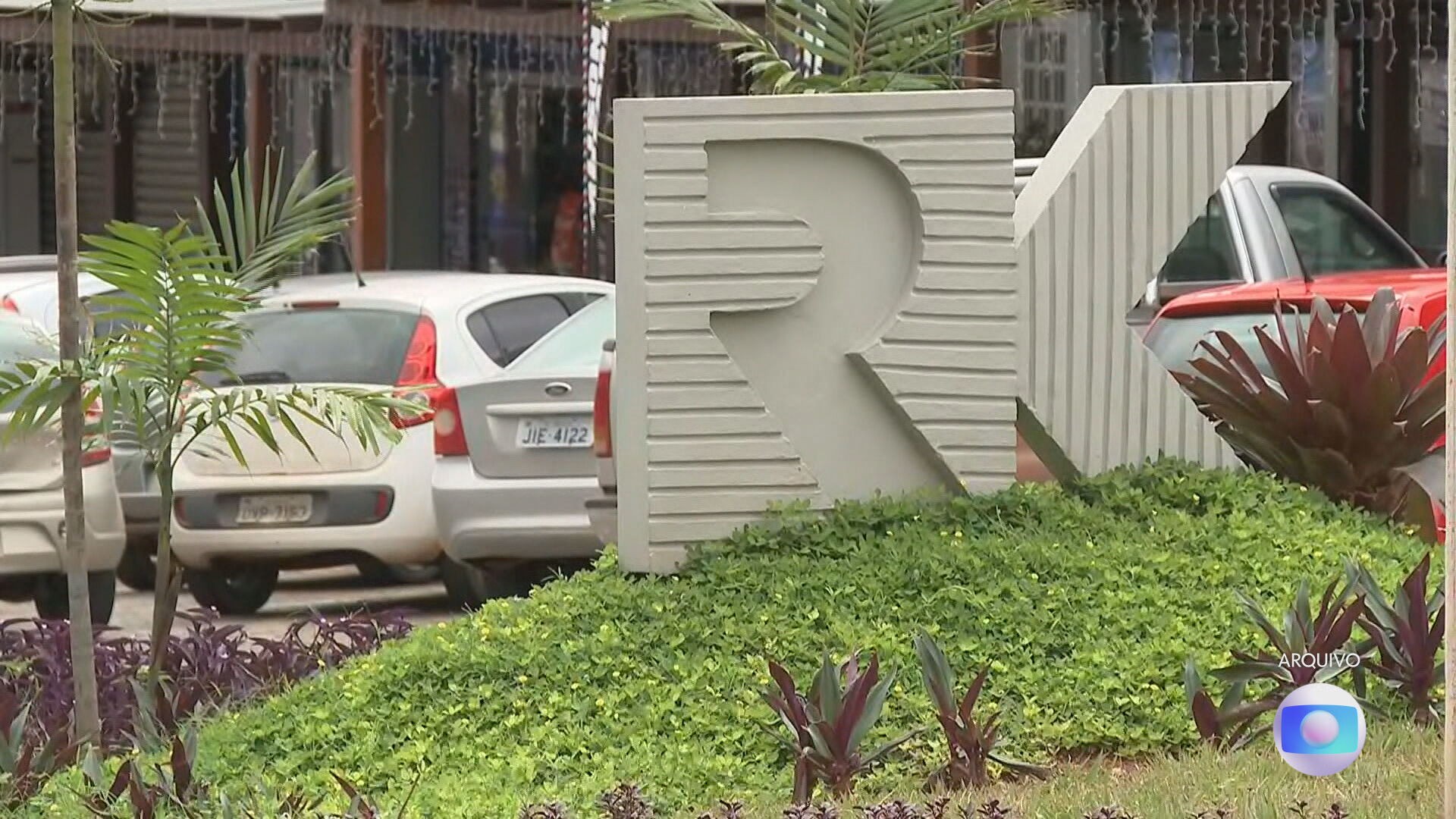
A court in Brazil's Federal District has prohibited the demolition of more than 2,000 homes located in the RK Condominium in Sobradinho. This decision, issued on Thursday, November 23rd, and published on Friday, November 24th, allows residents to keep their homes despite irregular land division in an environmental protection area along the São Bartolomeu River. The Public Prosecutor's Office had cited a lack of licensing, environmental impact studies, and formal registration, along with alleged ecological damage and urban planning violations. However, the magistrate ruled that demolishing the houses would cause greater social and environmental harm than maintaining them. As a condition, the condominium must present a plan for environmental and urbanistic recovery and adaptation. The court also stipulated that new construction without licensing is forbidden, and any clandestine constructions made after judicial or administrative interdictions will be subject to removal. Furthermore, a previously imposed fine of R$ 246 million on the condominium will not be applied. The final amount residents must pay will be determined by an updated expert assessment, considering any recovery work already completed, and will avoid double-counting expenses. The Federal District government's responsibility was maintained only subsidiarily, limited to environmentally feasible measures and with the possibility of recourse against direct responsible parties.
This judicial decision navigates a complex intersection of property rights, environmental protection, and social equity. By prioritizing the avoidance of greater social and environmental disruption over the immediate enforcement of land-use regulations, the court acknowledges the significant human cost of mass demolition. The requirement for a recovery and adaptation plan signals a shift towards restorative justice, seeking to mitigate past environmental harms while preserving existing communities. This approach highlights a systemic tension between rapid urban development and the preservation of ecological zones, particularly in areas with historical land-use ambiguities. Future governance models may need to better integrate urban planning with environmental stewardship from the outset to prevent such conflicts, fostering sustainable development that accounts for both ecological integrity and the established livelihoods of residents.
AI-generated to prompt reflection — not editorial opinion, not advice, not a statement of fact. How this works.