Brazil Court Orders Congressman Nikolas Ferreira to Pay $20K for 'Drug Traffickers Party' Remark
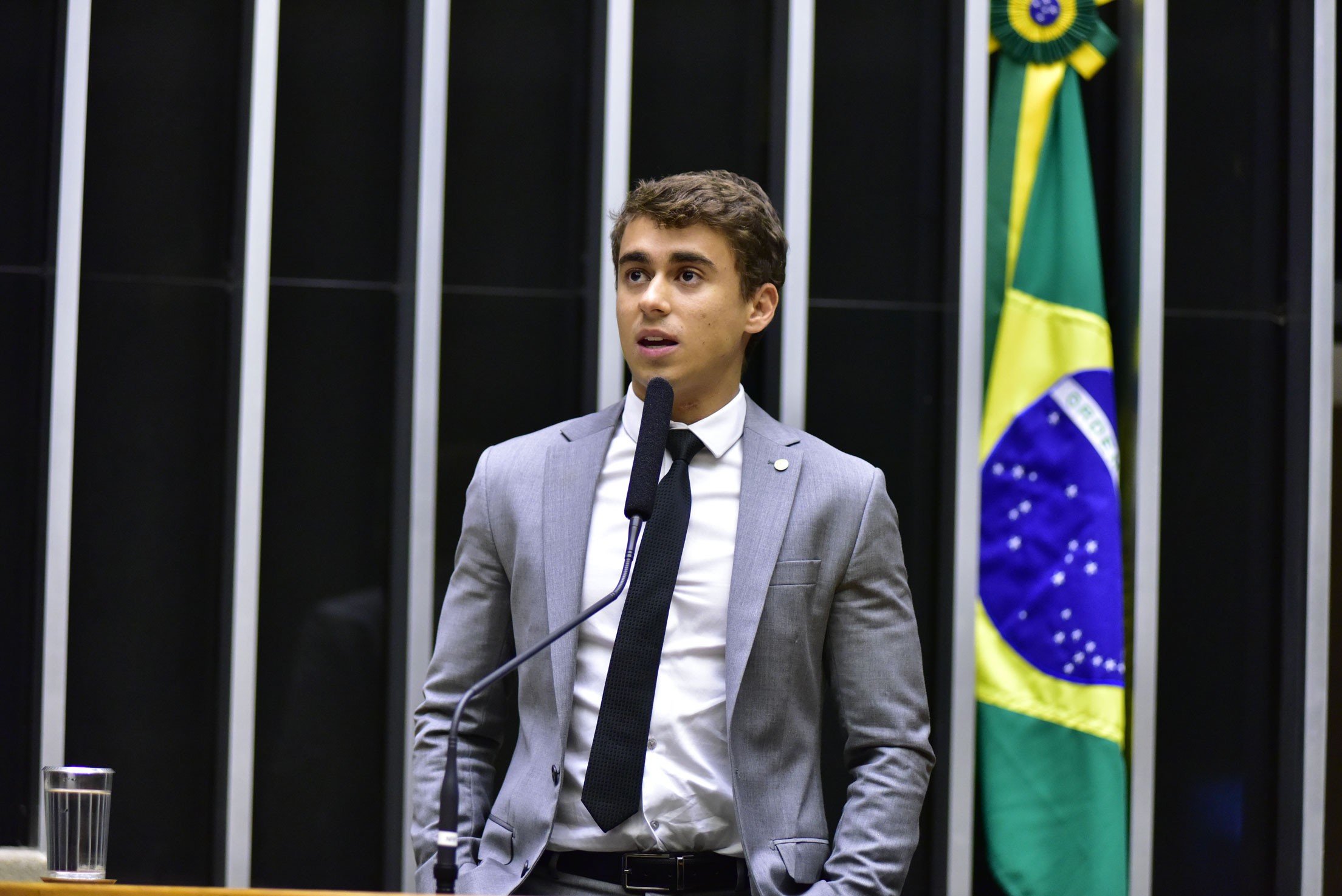
A Brazilian court has ordered federal congressman Nikolas Ferreira (PL-MG) to pay R$ 20,000 (approximately $3,800 USD) in moral damages to the Workers' Party (PT). The ruling stems from a social media post on X where Ferreira referred to the PT as the 'PT – Partido dos Traficantes' (PT – Party of Drug Traffickers). Judge Wagner Pessoa Vieira of the 5th Civil Court of Brasília found that Ferreira's statement exceeded the bounds of political criticism by associating the party with drug trafficking without any factual basis. The judge emphasized that while political criticism can be harsh, it cannot directly link a legal entity to criminal activity without minimal factual support. Ferreira has been ordered to remove the offending post within five days of the judgment becoming final, with a daily fine of R$ 1,000 (up to R$ 60,000) for non-compliance. The decision is subject to appeal, as it is from a first-instance court. The PT had initially sought R$ 40,000 in damages and the removal of the post, arguing that it harmed their honor and institutional image. Ferreira's defense claimed parliamentary immunity and freedom of expression, framing the remark as political critique. The judge rejected the parliamentary immunity argument, stating that such protection only applies to statements made within Congress related to official duties, not personal social media posts aimed at discrediting an opposing party. The awarded damages aim to signal that the digital space does not permit unfounded accusations of criminal association.
This judicial decision highlights the tension between robust political discourse and the legal boundaries of defamation, particularly in the digital sphere. While freedom of expression and parliamentary immunity are crucial for democratic debate, they are not absolute. The court's ruling underscores that unsubstantiated accusations, especially those linking political entities to serious criminal activity like drug trafficking, can cross the line into actionable defamation. This case serves as a reminder that political actors must substantiate their claims, even when engaging in sharp criticism, to avoid legal repercussions. The ruling also implicitly addresses the evolving nature of political communication, where social media platforms amplify messages and potentially increase the reach of damaging statements. Future legal frameworks may need to further clarify the responsibilities of public figures in online spaces, balancing the need for open debate with the protection of institutional reputation against baseless allegations.
AI-generated to prompt reflection — not editorial opinion, not advice, not a statement of fact. How this works.