Brazil Criticizes US 12.5% Tariff as Retaliation for Overturned Tariffs
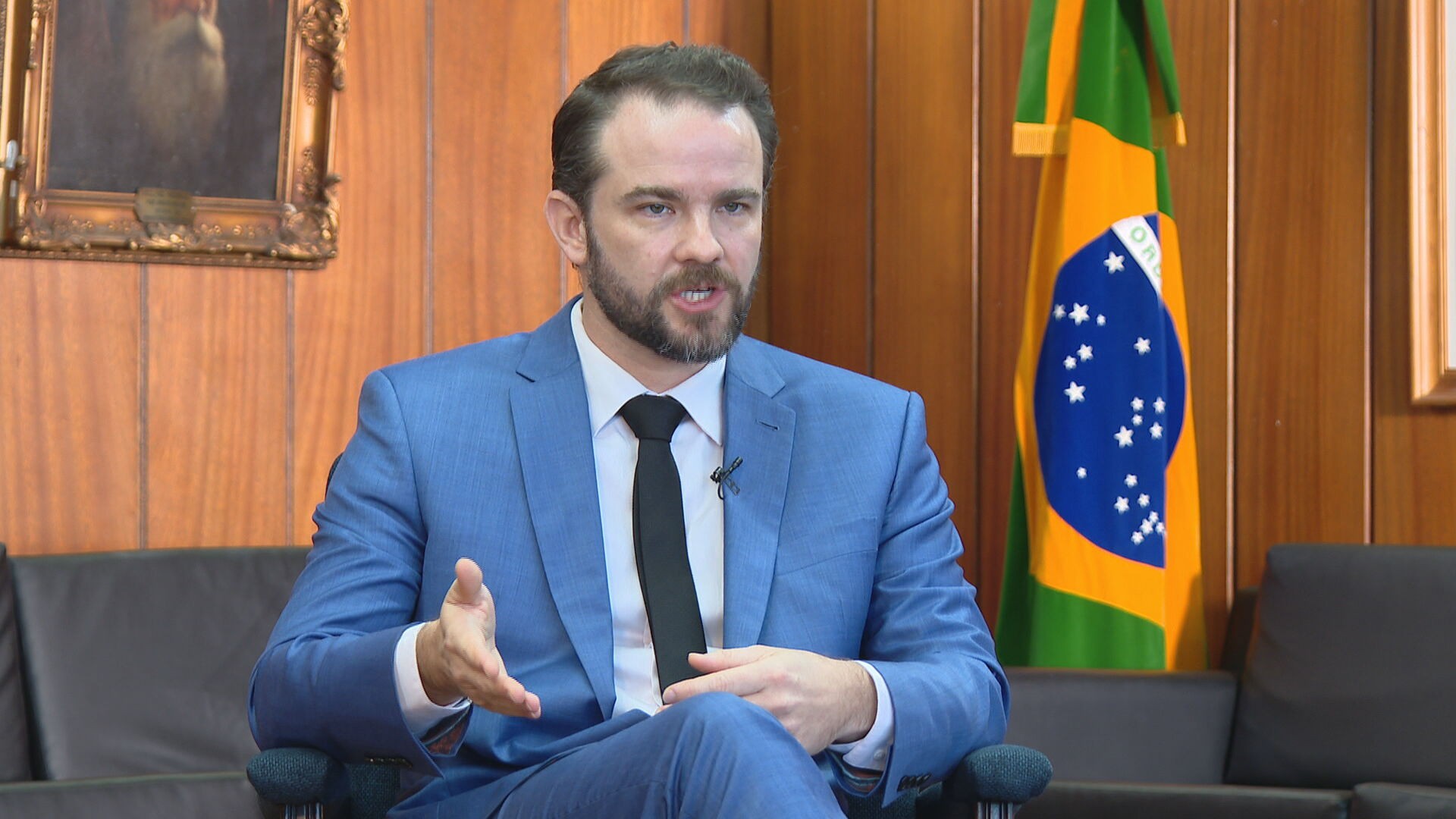
Brazil's Minister of Finance, Dario Durigan, has strongly criticized the new 12.5% U.S. tariff on Brazilian products, labeling it an attempt by Donald Trump's administration to "forcefully" reinstate reciprocal tariffs that were previously struck down by the U.S. Supreme Court. Durigan stated that this new tariff affects 99% of imports to the U.S. and appears to be a mere substitute for the earlier tariff, which was invalidated. He asserted that the measure lacks justification and is an unfair, unilateral action against countries with lower per capita incomes and trade deficits with the U.S., such as Brazil. Durigan expressed Brazil's rejection of this "unjustified and unilateral" tariff, noting that despite Brazil's good-faith discussions with the Trump administration, it is being "punished" again. The new tariffs are presented as a replacement for a previous 10% global tariff announced by Trump in February, which expired on March 24th. The U.S. justification for the new tariffs, applied under Section 301 of the U.S. Trade Act, is based on an investigation concluding that certain countries, including Brazil, have failed to adequately prohibit or monitor the import of goods produced with forced labor. Countries deemed insufficient in combating forced labor face the 12.5% tariff, while those with measures to prohibit such imports will be charged 10%. This new measure could lead to a combined surcharge of up to 37.5% on some Brazilian products, following a previous 25% tariff. The U.S. Trade Representative's Office (USTR) indicated that certain strategic or economically impactful goods might be exempted from the tariff to avoid market disruptions or to encourage other nations to adopt similar prohibitions.
The U.S. imposition of a 12.5% tariff on Brazilian goods, framed as a response to inadequate measures against forced labor, presents a complex interplay of trade policy and geopolitical strategy. From an economic perspective, such tariffs can disrupt established supply chains and create price volatility for consumers and businesses in both nations. Brazil's assertion that this is a retaliatory measure to circumvent a Supreme Court ruling suggests a potential challenge to the legitimacy and stated intent of the U.S. action. The U.S. administration's use of Section 301, historically employed to address perceived unfair trade practices, highlights a pattern of leveraging trade agreements to achieve broader policy objectives. Looking ahead, such unilateral tariff actions, especially when perceived as punitive or retaliatory, risk escalating trade disputes and undermining the principles of multilateral trade governance. This situation underscores the ongoing tension between national sovereignty in trade policy and the need for predictable, rules-based international commerce, particularly as global economic interdependence deepens in the coming decade.
AI-generated to prompt reflection — not editorial opinion, not advice, not a statement of fact. How this works.