Brazil Criticizes US Diplomatic Protocol Breach in Ambassador Nomination
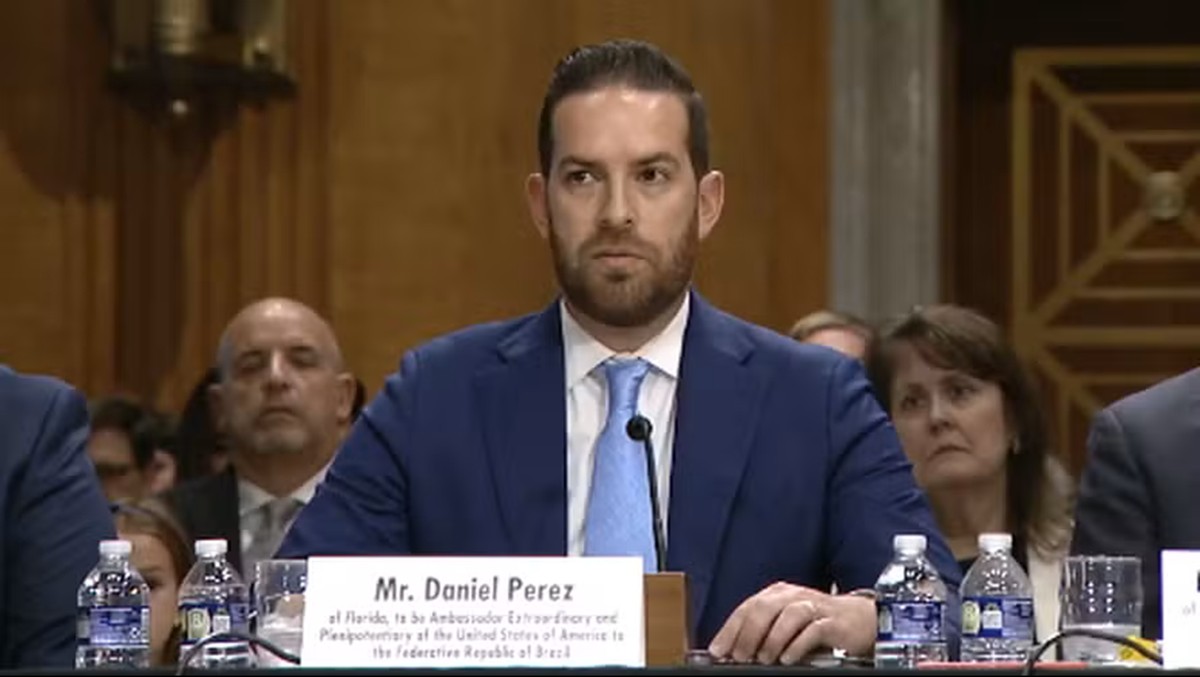
Brazil's government is evaluating that the United States overstepped diplomatic protocol by nominating Daniel Perez as ambassador to Brazil without prior consultation. The U.S. revoked the visa of Brazil's ambassador to the U.S., Maria Luiza Ribeiro Viotti, on Tuesday, March 4th, as a reciprocal measure against Brazil's delay in approving Perez. However, Brazilian officials contend that Washington bypassed standard international diplomatic practice and the Vienna Convention by submitting Perez's nomination to the U.S. Senate before formally consulting Brazil. Brazil reportedly only learned of the nomination while it was already in process in the U.S. Congress. Brazilian sources also question the timing of the U.S. pressure, noting that the White House showed no concern about the vacant ambassador position in Brasília during the tenure of Chargé d'Affaires Gabriel Escobar. The visa revocation is seen as an attempt to pressure Brazil into granting agrément to Perez. While diplomats suggest Perez's nomination is unlikely to be rejected on ideological grounds, Brazil will follow its standard procedure for evaluating candidates, including their background and public statements. It is anticipated that the agrément will not be reviewed before Brazil's presidential elections in October. Some Brazilian officials believe the U.S. pressure is politically motivated, linking Perez's nomination, an ally of the MAGA movement, to the Brazilian political landscape. This diplomatic friction adds to a history of strained relations, including past U.S. tariffs on Brazilian goods and disputes over issues like election integrity and the designation of Brazilian factions as terrorist organizations.
This diplomatic dispute highlights the tension between established international norms and the strategic leverage employed by nations in bilateral relations. The U.S. action of bypassing prior consultation and subsequently revoking a diplomat's visa represents a departure from conventional diplomatic reciprocity, potentially signaling a broader shift in U.S. foreign policy approaches under the Trump administration. Brazil's adherence to its procedural review, while potentially delaying the agrément, underscores its commitment to sovereign prerogative and careful vetting of foreign representatives. The situation also reflects the complex interplay of domestic politics and international diplomacy, where ambassadorial appointments can become entangled with electoral cycles and geopolitical alignments. Looking ahead, such incidents may necessitate a re-evaluation of diplomatic protocols to ensure clarity and prevent future escalations, particularly in an era where digital communication can both expedite and complicate traditional statecraft.
AI-generated to prompt reflection — not editorial opinion, not advice, not a statement of fact. How this works.
