Brazil Declares Emergency in 31 Municipalities Facing Storms, Droughts, and Dry Spells
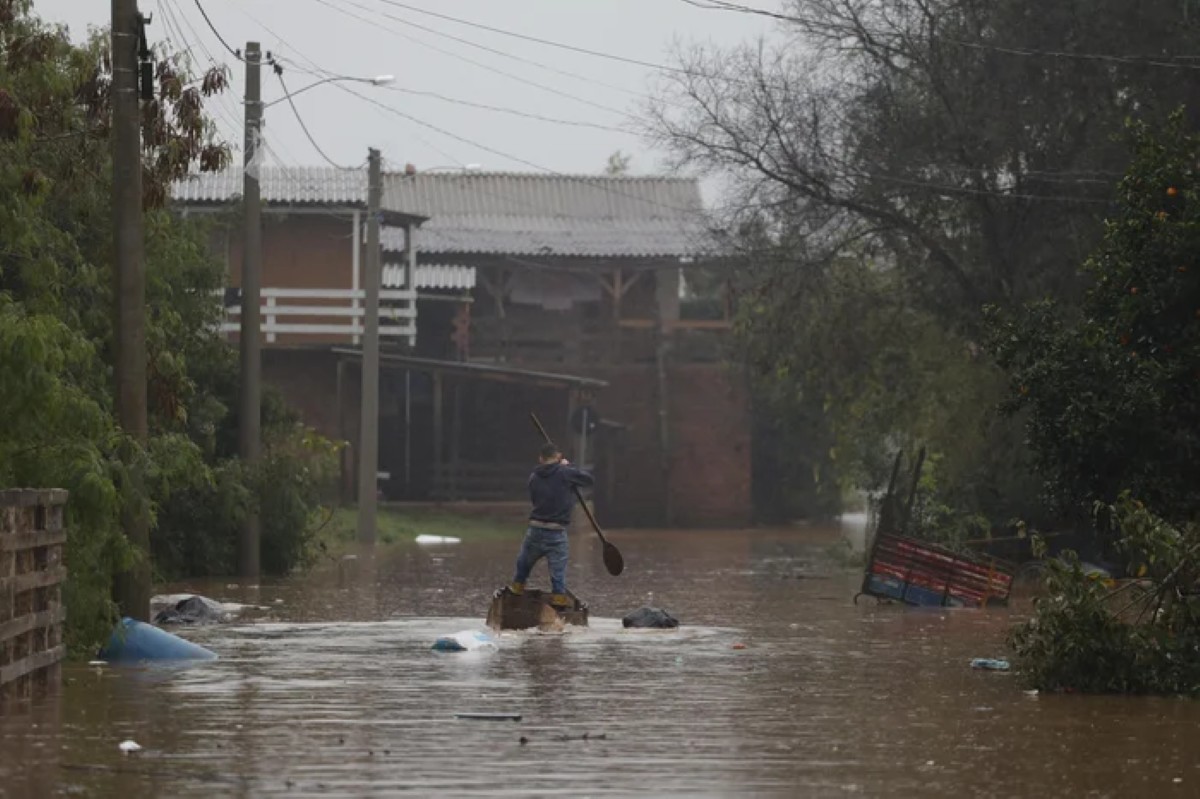
Brazil's National Civil Defense has officially recognized the state of emergency in 31 municipalities across seven states affected by severe weather events. These include intense rains, strong winds, drought, and dry spells. The affected states are Bahia, Ceará, Paraíba, Pernambuco, Piauí, Rio Grande do Norte, and Rio Grande do Sul. The official recognition, published in the Official Gazette of the Union, enables these municipalities to access federal funds for disaster relief and recovery efforts.
The state of Rio Grande do Sul is the most impacted, with 17 municipalities experiencing heavy rainfall or high winds. Two additional municipalities, Canguaretama in Rio Grande do Norte and Eldorado do Sul in Rio Grande do Sul, had their emergencies declared due to windstorms. In contrast, 13 municipalities in the Northeast region are grappling with prolonged periods of drought and dry spells. These include Aracatu, Boa Vista do Tupim, Ibiassucê, and Malhada de Pedras in Bahia; Itapajé and Paramoti in Ceará; São João do Cariri, Santa Cecília, and Bernardino Batista in Paraíba; Cumaru and São Caetano in Pernambuco; and Itainópolis and Picos in Piauí. While both phenomena stem from rainfall scarcity, drought signifies a more extended and severe absence of precipitation, whereas dry spells represent a temporary reduction.
With federal recognition, these local governments can formally request financial assistance from the Ministry of National Integration and Regional Development. This process involves submitting detailed work plans through the Integrated System for Disaster Information (S2iD), outlining proposed actions, objectives, and required funding. Upon technical review and approval by the National Civil Defense, a subsequent decree will authorize the release of funds. These resources are earmarked for critical interventions such as providing food, potable water, and hygiene supplies, renting necessary equipment, repairing public infrastructure, and restoring essential services to affected populations.
The federal government's swift recognition of emergency status in 31 municipalities highlights the increasing vulnerability of Brazilian regions to extreme weather, driven by both intense rainfall and prolonged drought. This mechanism for accessing federal aid is crucial for immediate relief and long-term recovery, yet it underscores a systemic challenge in disaster preparedness and climate resilience. The disparity between the North and Northeast regions facing drought versus the South confronting storms points to diverse climate impacts across Brazil, necessitating tailored adaptation strategies. Future planning must consider how to mitigate the escalating costs and disruptions associated with these climate-related events, potentially through investments in resilient infrastructure and early warning systems, and by addressing the underlying drivers of climate change to reduce the frequency and severity of such emergencies.
AI-generated to prompt reflection — not editorial opinion, not advice, not a statement of fact. How this works.