Brazil Declares Emergency in Amapá State Due to Respiratory Virus Outbreak
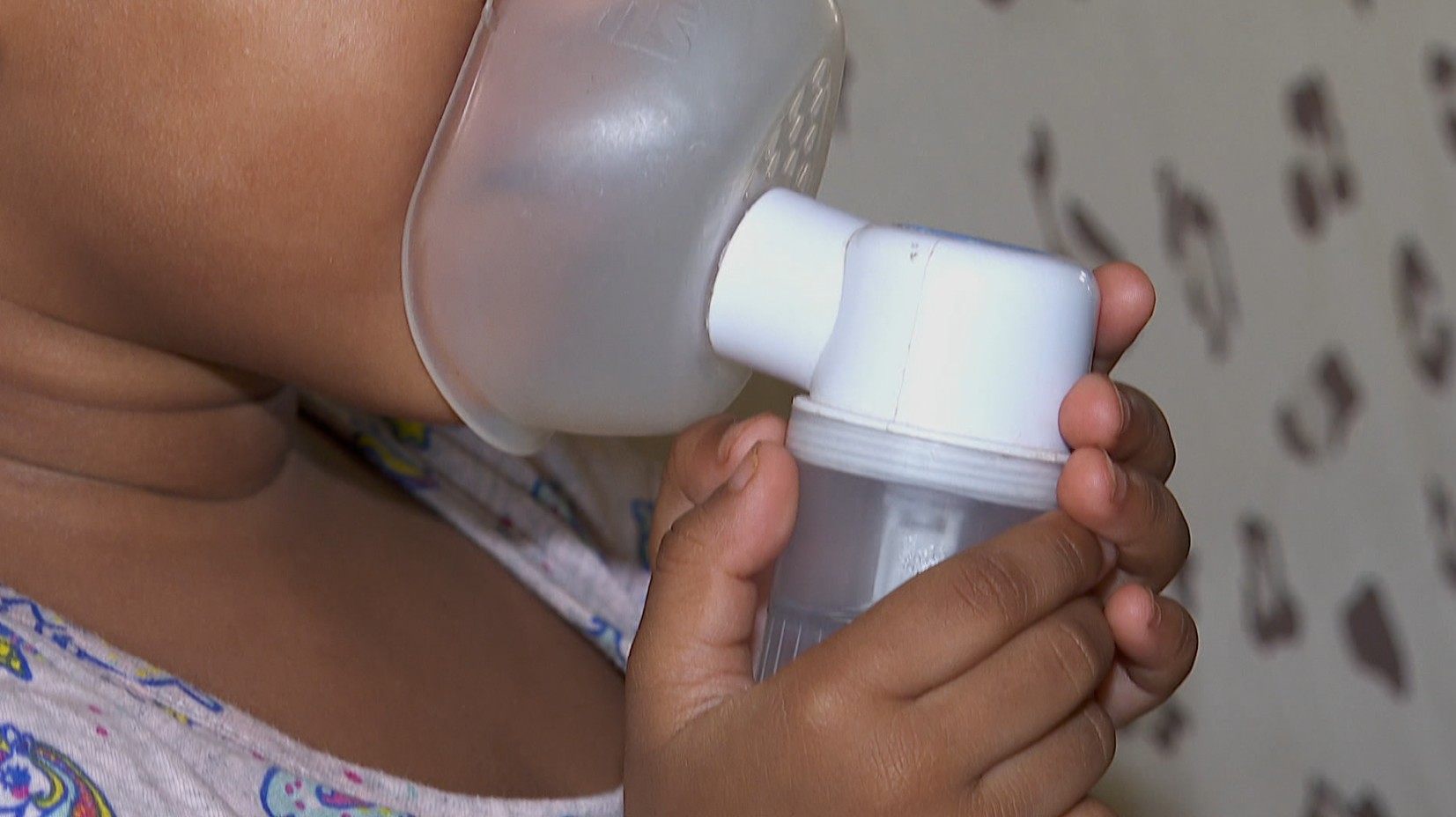
The Brazilian federal government has officially recognized a state of emergency across all 16 municipalities of Amapá (AP) due to a significant outbreak of viral respiratory illnesses. This declaration, formalized by National Secretariat of National Civil Protection and Defense Portaria nº 2.215, was published in the Official Gazette on Tuesday, November 7th. The federal recognition empowers the state and its municipalities to access and utilize federal funds designated for public health response and control measures. This national acknowledgment follows a state-level emergency decree issued by the Amapá government on Friday, November 3rd, which itself was a continuation of a public health decree from June. That earlier decree was prompted by a rise in cases of Severe Acute Respiratory Syndrome (SRAG) within the state. The current emergency situation, valid for 180 days, is attributed to the circulation of several key respiratory pathogens. These include Rhinovirus, Respiratory Syncytial Virus (RSV), Influenza A, Influenza B, and Adenovirus, among other epidemiologically significant respiratory agents. The affected municipalities include Amapá, Calçoene, Cutias, Ferreira Gomes, Itaubal, Laranjal do Jari, Macapá, Mazagão, Oiapoque, Pedra Branca do Amapari, Porto Grande, Pracuúba, Santana, Serra do Navio, Tartarugalzinho, and Vitória do Jari.
The declaration of a state of emergency in Amapá highlights the systemic challenges in public health infrastructure and preparedness, particularly in regions susceptible to rapid pathogen spread. The multi-viral nature of the outbreak underscores the need for adaptable public health strategies that go beyond single-pathogen responses. Federal recognition and resource allocation are critical, yet the long-term solution lies in strengthening local health surveillance, improving access to diagnostic tools, and ensuring equitable distribution of medical resources across diverse geographical areas. This event serves as a case study for evaluating the resilience of Brazil's public health system against emerging infectious disease threats in the coming decade, emphasizing the importance of proactive investment in preventative healthcare and robust emergency response frameworks.
AI-generated to prompt reflection — not editorial opinion, not advice, not a statement of fact. How this works.