Brazil Denies Asking EU for Lenient Meat Export Rules, Awaits Document Review
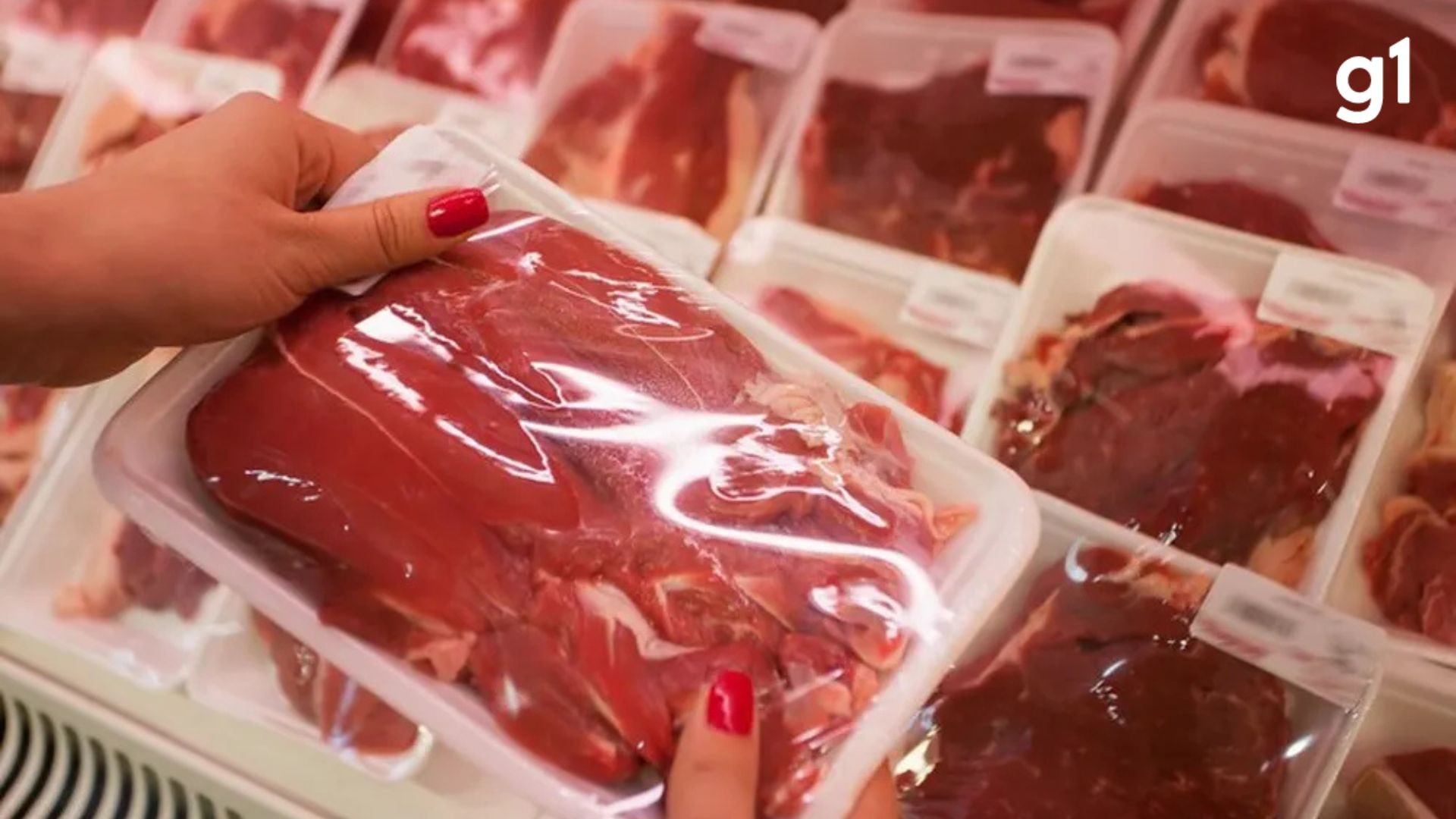
Brazil's Ministry of Agriculture and Livestock (Mapa) has stated that the country did not request the European Union to relax sanitary regulations for exporting meat and other animal products. The Brazilian government is currently engaged in technical negotiations with European authorities and is awaiting a final decision on submitted documentation. In early June, the EU removed Brazil from its list of countries deemed compliant with these rules, potentially leading to a suspension of Brazilian meat and animal product exports to the bloc starting September 3rd if the issue remains unresolved. Mapa asserts that European authorities have not yet provided a conclusive response regarding the technical documents provided by Brazil. The ministry has submitted information to the European Commission detailing Brazil's oversight mechanisms and the guarantees offered by its official sanitary control system for various product chains, including beef, chicken, eggs, honey, and fishery products. This documentation reportedly demonstrates how the Brazilian system ensures verification, inspection, traceability, monitoring, and certification of products intended for the European market. Brazil exports animal products to over 150 countries, and the ministry highlighted that the international recognition of its sanitary system stems from its capacity to inspect production and certify only goods meeting import market requirements. The core disagreement lies in the method of proving compliance with sanitary rules, with Mapa deeming it unacceptable to demand prior proof of measures that are inherently implemented throughout the production cycle. The ministry maintains that its official inspection system is responsible for verifying compliance and preventing non-standard products from being certified for export. Mapa also clarified that being on the EU's authorized seller list pertains to the reliability of the inspection system, not automatic export approval for all products, as compliance with sanitary requirements is evaluated per production cycle.
The Brazilian Ministry of Agriculture's clarification addresses a potential misunderstanding regarding its engagement with the European Union over sanitary export regulations. By denying requests for rule flexibility and emphasizing ongoing technical dialogue, Brazil positions its stance as one of adherence to established processes rather than seeking concessions. The core of the dispute appears to be the EU's demand for prospective proof of compliance versus Brazil's assertion that its existing inspection and certification system, which is recognized by over 150 countries, adequately guarantees product safety. This situation highlights a systemic challenge in international trade: reconciling diverse regulatory approaches and the verification methods employed by different jurisdictions. As global supply chains become increasingly complex and interconnected, particularly with advancements in traceability and monitoring technologies, the onus will be on both exporting and importing nations to develop transparent, mutually agreeable frameworks that ensure consumer safety without unduly hindering legitimate trade. The long-term implications involve fostering greater harmonization of standards or developing more robust, technology-driven verification mechanisms that can satisfy diverse regulatory expectations in the coming decade.
AI-generated to prompt reflection — not editorial opinion, not advice, not a statement of fact. How this works.