Brazil Denies Visas to US State Department Officials Over Election Integrity Concerns
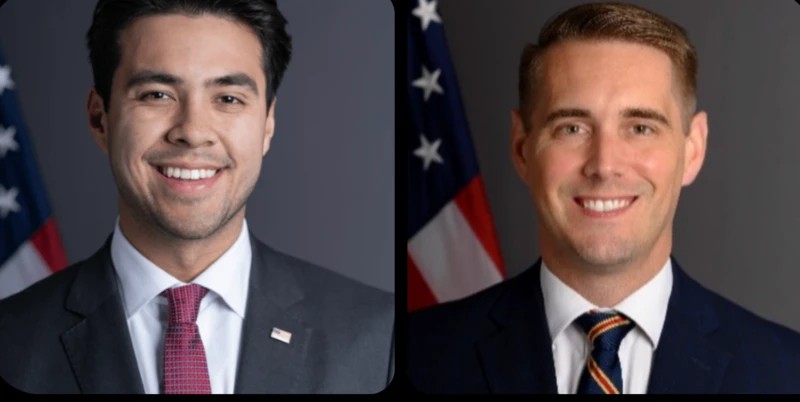
Brazil's Ministry of Foreign Affairs, Itamaraty, has denied visa requests for two U.S. Department of State officials, Riley Barnes and Samuel Samson. The ministry cited concerns that the officials' visit to Brazil could be used to cast doubt on the reliability of the Brazilian electoral system. The U.S. State Department rejected these allegations, characterizing the planned July 27-30 visit to Brasília as a "routine visit" and calling the claims "baseless lies." A Reuters report indicated the officials intended to meet with government authorities, religious leaders, and civil society representatives to discuss electoral integrity, religious freedom, and freedom of expression. The decision follows recent accusations about electronic voting machines made by presidential candidate and Senator Flávio Bolsonaro, which have been denied by the Superior Electoral Court (TSE). Samuel Samson serves as Deputy Assistant Secretary of State for Democracy, Human Rights, and Labor (DRL). His past activities, as reported by "The New York Times," include promoting conservative policies and fostering ties with right-wing groups in Europe, sometimes in opposition to centrist politicians. Riley Barnes also holds a position within the DRL and has recently taken on duties as an extraordinary ambassador for international religious freedom. His academic background includes studies in political science and international relations, with a stated focus on preserving Western civilization's heritage and promoting the "America First" agenda.
Brazil's denial of visas to U.S. State Department officials raises questions about transparency and diplomatic engagement concerning electoral processes. While Brazil cites concerns about potential interference with its electoral system's integrity, the U.S. frames the visit as routine. This diplomatic friction highlights the complex interplay between national sovereignty, international observation, and perceptions of democratic health. Future diplomatic engagements regarding electoral systems will likely require clearer protocols to manage expectations and prevent misunderstandings that could strain bilateral relations. The incident underscores the growing global focus on election integrity and the potential for differing interpretations of 'interference' versus 'observation' in the digital age.
AI-generated to prompt reflection — not editorial opinion, not advice, not a statement of fact. How this works.