Brazil: Driver Arrested Transporting 6,000 Liters of Fuel to Illegal Mine
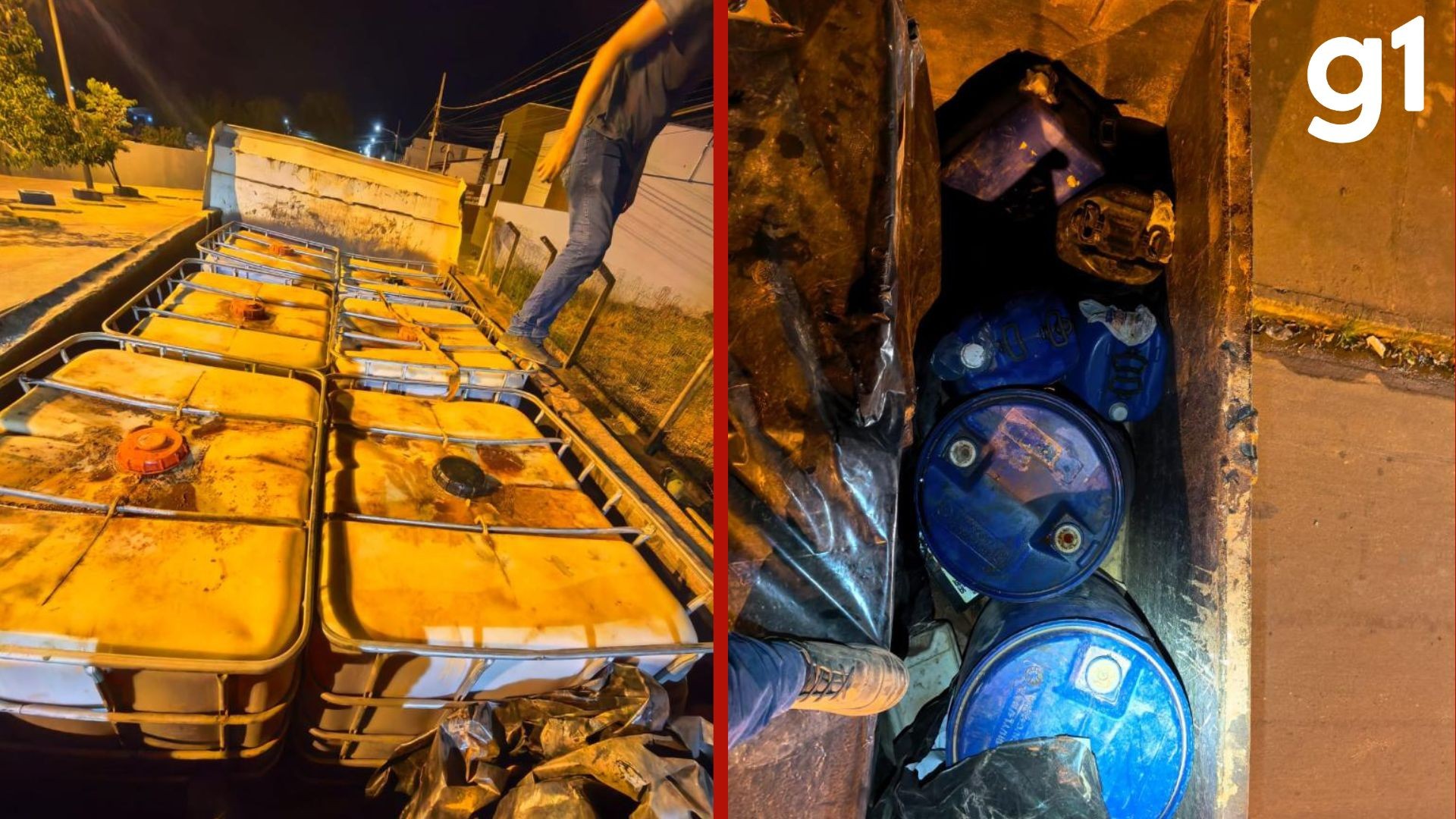
Brazilian Civil Police apprehended over 6,000 liters of fuel and a truck on Friday, November 17th, in Conquista D'Oeste, Mato Grosso, destined for an illegal gold mine within the Sararé Indigenous Territory. The 43-year-old driver was arrested for environmental crimes, as the fuel lacked proper fiscal documentation and permits for transport. The operation, named 'Protetor das Divisas e Fronteiras,' aims to combat illegal activities and remove invaders from the Sararé Indigenous Territory. Police observed significant activity involving machinery, fuel, and supplies supporting illegal mining operations in the region, leading them to establish a roadblock on an access road. The seized cargo included diesel fuel, gasoline, and a substantial quantity of food. The driver admitted to being hired to transport the load to a mine but could not produce the required paperwork. He was taken to the Pontes e Lacerda Police Station and charged with transporting a dangerous substance contrary to legislation. The investigation is ongoing. The Sararé Indigenous Territory, home to 201 Nambikwara people across seven villages, spans approximately 67,000 hectares, with 4,200 hectares already impacted by illegal mining. This territory, officially recognized in 1985, has experienced escalating conflicts due to clandestine gold extraction. Federal authorities are conducting an operation to ensure indigenous safety, protect the land, and halt the expansion of illegal activities. Data indicates a significant increase in mining processes in Mato Grosso, with nearly 130% growth between 2018 and 2025, impacting nearly 25% of the state's territory. This surge, particularly in the research authorization phase, is linked to environmental damage and rising violence, including the presence of criminal factions and attacks on villages, creating a situation of systemic structural violence.
This incident highlights the persistent challenge of illegal mining in Brazil, particularly its encroachment on indigenous territories and the associated environmental and security risks. The fuel seizure demonstrates a critical logistical vulnerability of these illicit operations, suggesting that interdiction efforts can disrupt their supply chains. The significant increase in mining processes in Mato Grosso indicates a broader systemic pressure on natural resources and indigenous lands, driven by economic incentives. Future policy considerations could focus on strengthening enforcement, addressing the root economic drivers of illegal mining, and enhancing protections for indigenous communities against both environmental degradation and organized crime. The interplay between resource extraction, territorial integrity, and indigenous rights remains a complex governance issue with long-term implications for biodiversity and social stability.
AI-generated to prompt reflection — not editorial opinion, not advice, not a statement of fact. How this works.