Brazil Electoral Court to Rule on Mayor's Election Over Fuel-for-Votes Scheme
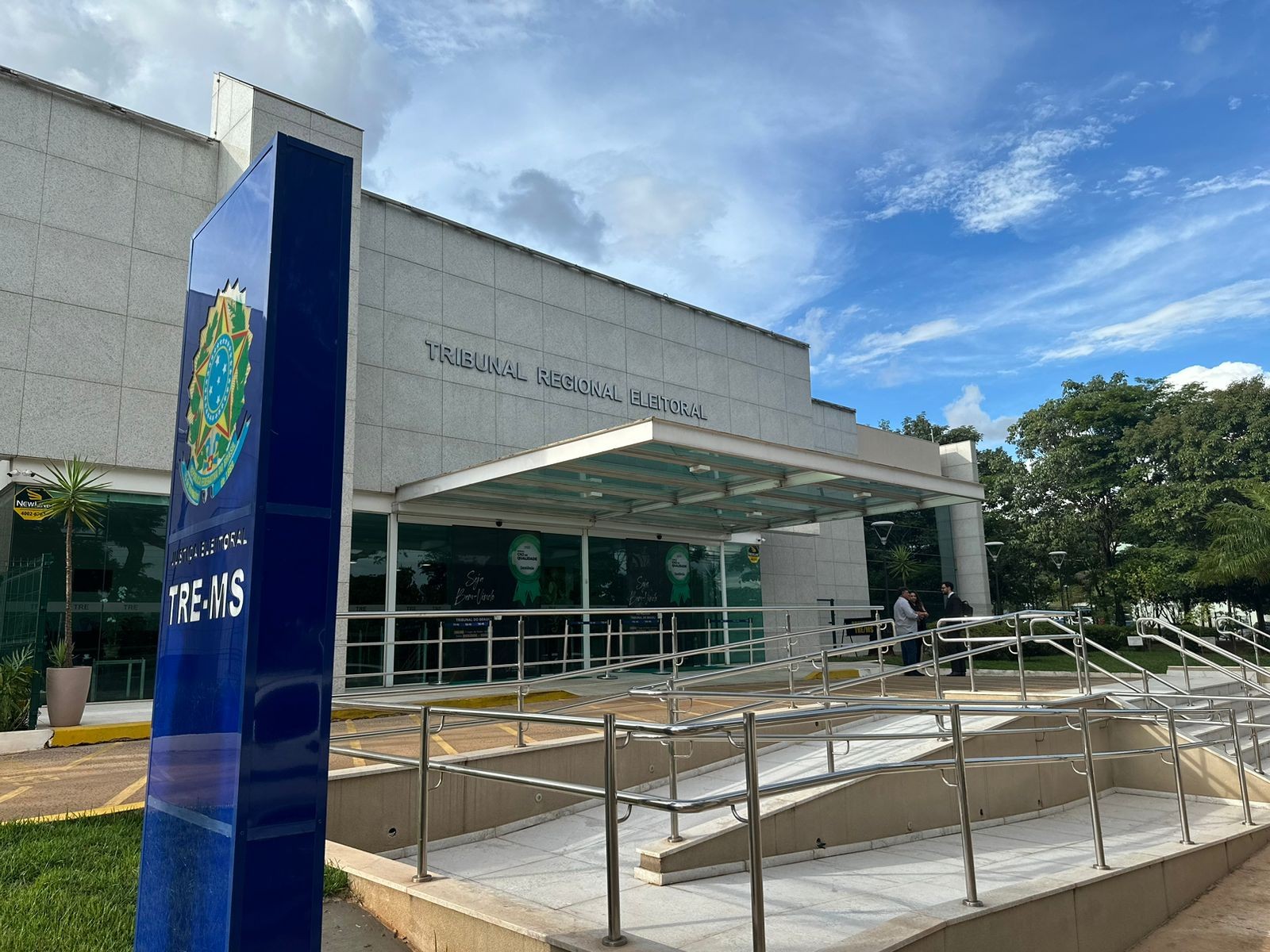
The Regional Electoral Court (TRE-MS) of Mato Grosso do Sul, Brazil, is set to review appeals concerning the alleged vote-buying scheme involving 8,000 liters of fuel during the 2024 campaign in Iguatemi. The appeals, filed by the Public Prosecutor's Office, seek the annulment of the diplomas for Mayor Lídio Ledesma, Vice-Mayor Patrícia Derenusson Nelli Margatto Nunes, and several elected council members.
Investigations suggest a "shadow accounting" system was used to distribute fuel to voters without proper registration in electoral accounts, a practice the prosecution deems an illicit expenditure that compromised the fairness of the election. Key figures implicated include Ledesma, Nunes, and council members Agnaldo dos Santos Souza, José Carlos dos Santos, and Marcio José de Oliveira. Council member Clevson dos Santos Gomes was an initial target but is not directly included in the current appeals before the TRE-MS.
Evidence indicates fuel was distributed to supporters via authorization at a local gas station, with hundreds of authorizations recorded between August and October 2024. Vehicles displaying campaign stickers reportedly received fuel based on pre-approval. Clóvis Gomes dos Santos, a former municipal official, is identified as central to coordinating these fuel releases, with over 5,000 liters attributed to his authorizations alone. Vice-Mayor Nunes is also accused of directly authorizing fuel for at least 32 supporter vehicles via WhatsApp messages.
While a lower court had already annulled the votes and diplomas for council members Agnaldo Zorba and Carlinhos Magro due to illicit campaign spending, the effects are suspended pending the TRE-MS decision. Mayor Ledesma, Vice-Mayor Nunes, and council member Marcio de Oliveira were initially acquitted, with the judge deeming the proven irregular amounts disproportionately small compared to total campaign funds. The Public Prosecutor's Office argues that the systematic nature of the scheme and its intent to benefit the entire political slate, rather than just the financial value, warrant a review. Defense teams deny irregularities, citing a lack of direct evidence and questioning the validity of some evidence, arguing that the amounts are insufficient to invalidate the election results and that actions by third parties should not be automatically linked to the candidates.
This case highlights the persistent challenge of ensuring electoral integrity against sophisticated vote-buying tactics that leverage essential resources like fuel. The Public Prosecutor's Office argues that the systematic distribution of fuel, even if seemingly small in individual value, represents a coordinated effort to distort electoral outcomes by creating an uneven playing field. The differing outcomes in the first instance—convictions for some council members and acquittals for the mayor and vice-mayor—underscore the complexities of proving intent and direct culpability in such schemes, particularly when evidence relies on third-party actions or indirect links. The TRE-MS's review will likely weigh the principle of proportionality against the potential for systemic manipulation, considering whether such practices, regardless of total financial outlay, undermine the foundational principle of free and fair elections in the digital age where campaign finance transparency is paramount.
AI-generated to prompt reflection — not editorial opinion, not advice, not a statement of fact. How this works.