Brazil Eliminated from World Cup; Next Tournament in 2030 Across Three Continents
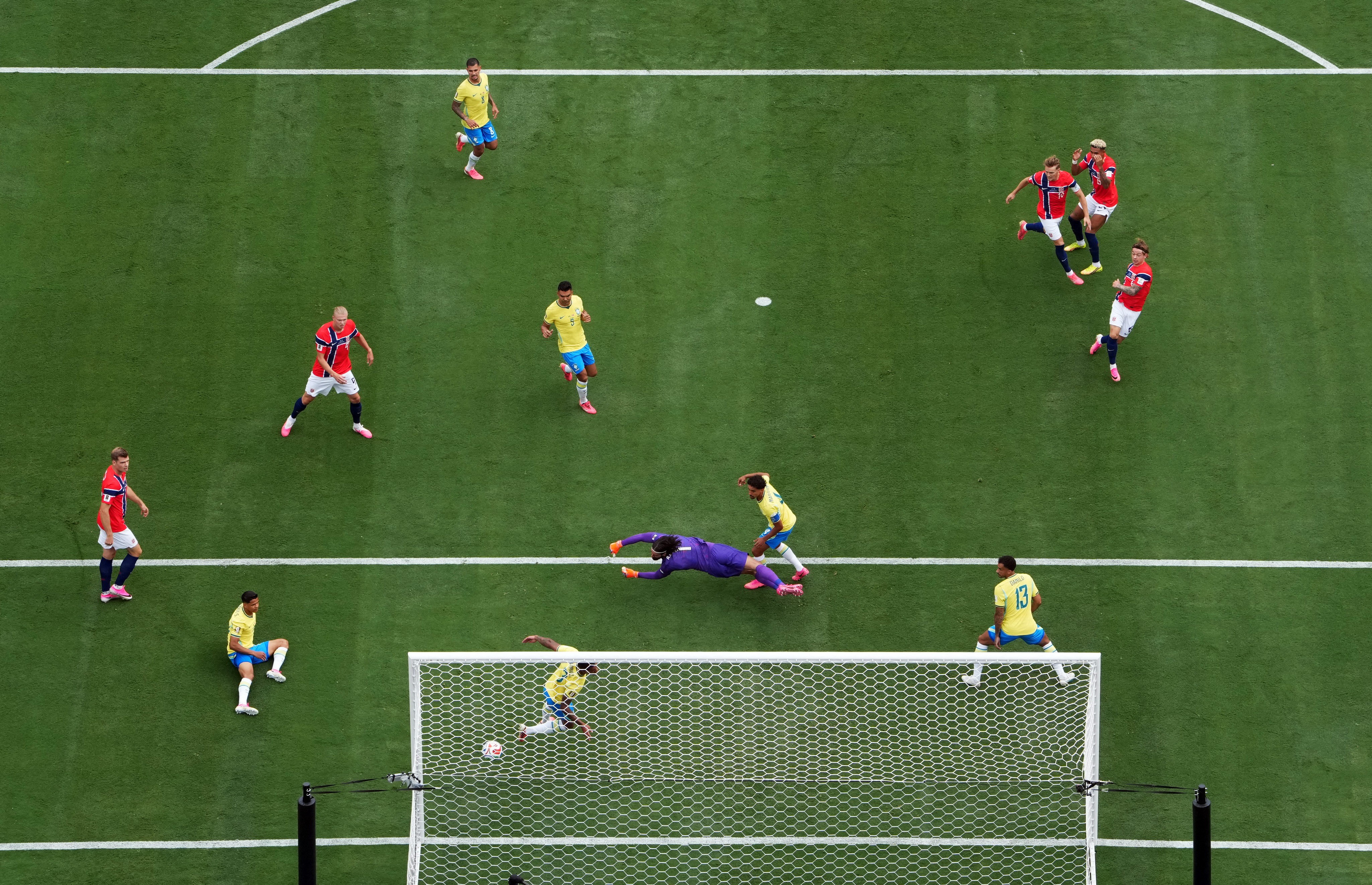
Brazil has been eliminated from the World Cup by Norway in the round of 16, marking the end of their quest for a sixth title for at least another 1,434 days. This period equates to 3 years, 11 months, and 4 days, or 205 weeks, until the next tournament begins. The 2030 FIFA World Cup will be a historic event, jointly hosted by Spain, Morocco, and Portugal. Adding to its unique nature, three initial matches will be played in South America, specifically in Uruguay, Argentina, and Paraguay, to commemorate the centenary of the first World Cup held in 1930. Uruguay will host a special centenary match in Montevideo, honoring its role as the host and winner of the inaugural tournament. Argentina and Paraguay will each host one match, recognizing Argentina's 1930 runner-up finish and Paraguay's status as the home of CONMEBOL, the world's first football confederation. The tournament's schedule is designed to accommodate these South American games without extending the overall player release period beyond that of the 2026 World Cup. The centenary matches are slated for June 8-9, 2030, with the official opening ceremony and first games in Morocco, Portugal, and Spain following on June 13-14. The final is scheduled for July 21, 2030. FIFA's approved format ensures no additional days are required for player releases. This multi-continental hosting aims to bring the tournament closer to South American fans while celebrating the sport's origins.
The decision to spread the 2030 World Cup across three continents and six host nations, while celebrating the tournament's centenary, presents significant logistical and operational challenges. FIFA's stated goal of accommodating these unique requirements without extending player release periods suggests a complex scheduling balancing act. The distribution of matches, particularly the initial games in South America, may influence team preparation and fan engagement differently across regions. This model could set a precedent for future large-scale sporting events, prioritizing symbolic gestures and broader geographic reach over traditional concentrated hosting, potentially impacting revenue streams and sustainability considerations in the long term.
AI-generated to prompt reflection — not editorial opinion, not advice, not a statement of fact. How this works.