Brazil enacts law allowing pepper spray sales to women 16 and older for self-defense
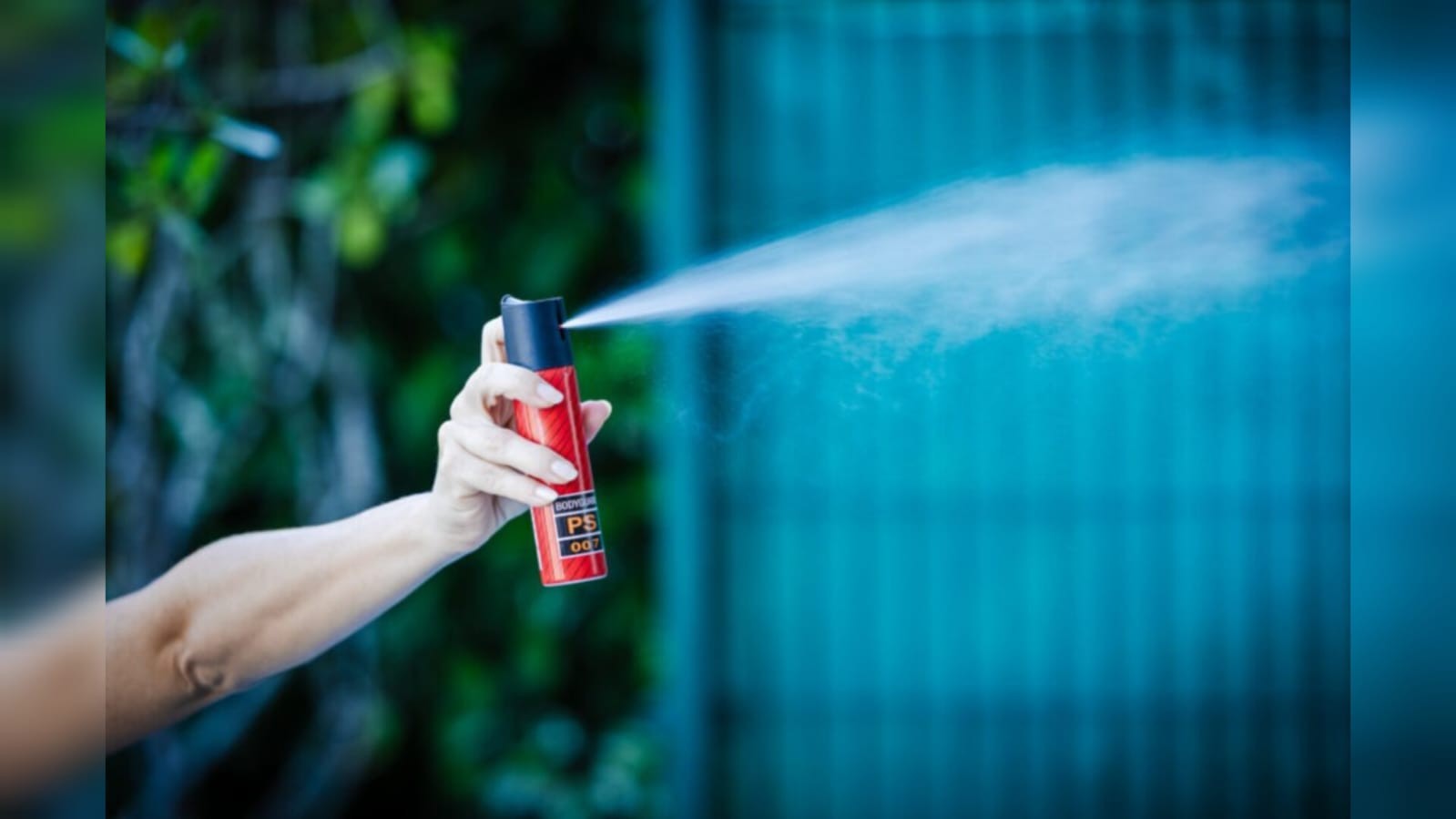
Brazil's government has enacted a new law, published on Friday, May 24th, authorizing the sale and possession of plant-based aerosol defense sprays, such as pepper spray, for women aged 16 and above. This measure is intended as a tool for personal defense against unjust, current, or imminent aggression. The law stipulates that the spray must be used moderately and its application should cease immediately once the threat is neutralized. For individuals between 16 and 18 years old, parental or legal guardian authorization will be required for purchase. Unauthorized use of the spray can result in penalties ranging from a formal warning to fines equivalent to one to ten minimum wages, with double penalties for repeat offenses. The user could also face confiscation of the device and a ban on its use for up to five years. Purchasers must present official photo identification, proof of fixed residence, and a criminal background check confirming no prior convictions for intentional crimes involving violence or serious threats. Technical specifications, including maximum concentration, will be determined by the National Health Surveillance Agency (Anvisa), with a 50 ml capacity limit for civilian use; larger containers will be reserved for armed forces and public security personnel. Owners must report any theft or loss of their spray to the authorities within 72 hours by filing a police report. This national regulation aims to standardize rules for the sale, use, and specifications of pepper spray across Brazil, as some states like Rio de Janeiro and Santa Catarina already had their own regulations. The bill, authored by Representative Gorete Pereira and reported by Senator Laércio Oliveira, seeks to enable better control and oversight of these defense products.
Brazil's new legislation addresses personal security concerns by enabling broader access to pepper spray for women, aiming to standardize its regulation nationwide. The law attempts to balance self-defense rights with public safety by imposing purchase requirements and usage restrictions. This regulatory framework could influence market dynamics for personal security products and potentially encourage similar legislative discussions in other regions grappling with safety issues. The effectiveness of this law will hinge on robust enforcement, clear public education on responsible use, and Anvisa's timely establishment of technical standards to ensure product safety and efficacy, while also considering the potential for misuse and the need for accessible reporting mechanisms in cases of theft or loss. Future considerations may involve evaluating the long-term impact on crime statistics and public perception of safety.
AI-generated to prompt reflection — not editorial opinion, not advice, not a statement of fact. How this works.