Brazil Enacts Law to Protect Workers Rescued from Slavery-Like Conditions
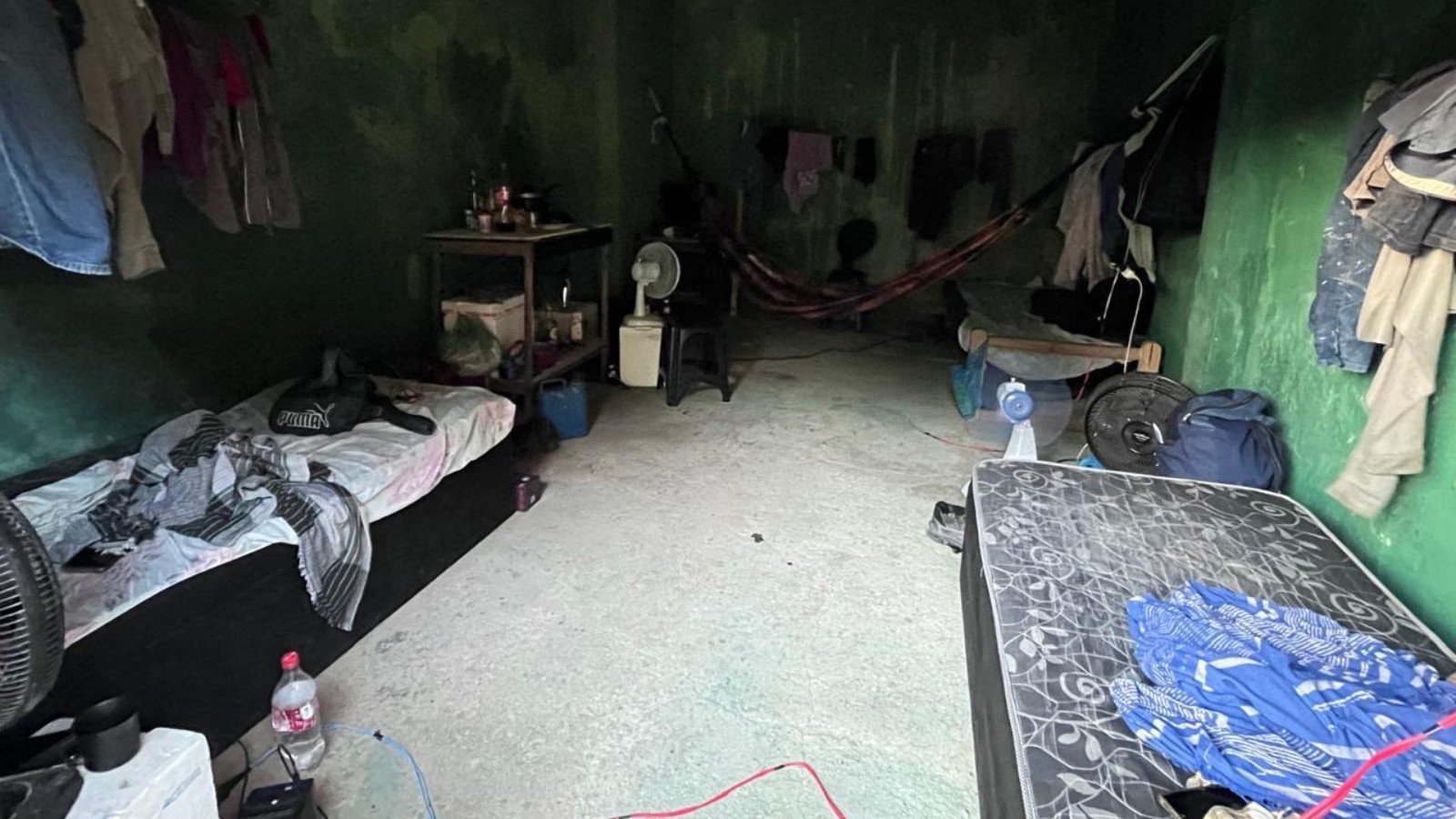
Brazilian President Luiz Inácio Lula da Silva has sanctioned a new law aimed at protecting and supporting workers rescued from conditions analogous to slavery. Published in the Official Gazette of the Union, the legislation introduces measures primarily for domestic workers and amends the Penal Code, the Maria da Penha Law, and other labor protection statutes. Rescued workers who meet eligibility criteria will now receive priority for Bolsa Família benefits. The government is also mandated to implement specific programs for the reception, reintegration, and adaptation of domestic workers who have experienced abuse, discrimination, harassment, violence, or have been subjected to slavery-like conditions.
The law stipulates that police authorities must notify the Ministry of Labor and Employment and the Public Prosecutor's Office of Labor within 48 hours upon identifying indications of slave labor or domestic violence against domestic workers. It also establishes a dedicated chapter in the Domestic Work Law for urgent protective measures in cases of reduction to slavery-like conditions. In such instances, authorities are required to ensure the victim's inclusion in the Federal Government's Cadastro Único for Social Programs (CadÚnico) and provide immediate institutional reception and emergency shelter if necessary. For female victims, measures from the Maria da Penha Law, including urgent protective orders, may be applied.
President Lula vetoed a provision that would have required a judicial order for victims to be included in unemployment insurance for those rescued from slave-like conditions. The government cited that this would create an additional procedural step, delaying access to benefits and potentially hindering immediate financial support, which it deemed incompatible with human dignity. The costs associated with the law's implementation will be covered by allocations within the Union's social security budget.
This legislation represents a significant governmental effort to address systemic vulnerabilities that lead to labor exploitation in Brazil. By creating dedicated support structures and prioritizing vulnerable populations for social benefits, the law aims to provide a more robust safety net. The inclusion of protections derived from the Maria da Penha Law acknowledges the intersectionality of domestic violence and labor exploitation. However, the veto of the judicial order requirement for unemployment benefits highlights a tension between immediate aid and procedural safeguards. Future effectiveness will depend on the diligent implementation of these programs, adequate budgetary allocation, and the capacity of oversight bodies to enforce the new protections, particularly in remote or underserved regions. The law's success will be a key indicator of Brazil's commitment to upholding human dignity and labor rights in the face of persistent economic pressures and historical inequalities.
AI-generated to prompt reflection — not editorial opinion, not advice, not a statement of fact. How this works.