Brazil Enhances Meat Export Inspections to Meet EU Standards
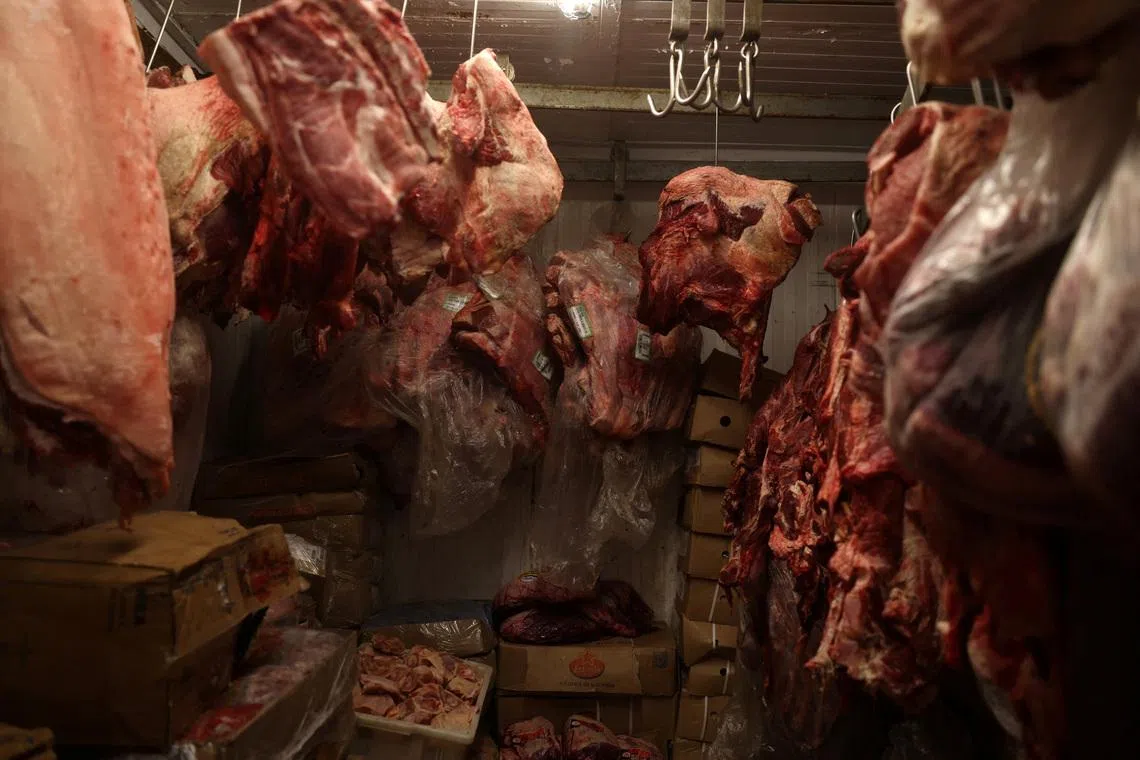
Brazil's Ministry of Agriculture has initiated new inspection protocols for meat and meat product manufacturing. These updated procedures are designed to align with the European Union's stringent trade requirements. The Ministry has communicated these changes to federal agriculture auditors through an official government document. This move aims to facilitate and maintain Brazil's meat exports to the EU market. Globo Rural, a local news outlet, reported on these developments on Thursday, July 2. The implementation of these new regulations signifies Brazil's commitment to adhering to international food safety and quality standards. This proactive measure is expected to strengthen trade relations between Brazil and the European Union. The enhanced inspections cover the entire production chain to ensure compliance with EU regulations.
Brazil's proactive adjustment of meat export inspection procedures to meet European Union standards reflects a strategic response to evolving international trade dynamics. By aligning with stringent EU requirements, Brazil aims to secure its market access and potentially enhance its reputation for food safety and quality. This regulatory enhancement can be viewed as an investment in long-term trade stability, mitigating risks associated with non-compliance and potential market restrictions. The move also highlights the increasing importance of robust regulatory frameworks in globalized food supply chains, particularly as consumer expectations and international standards continue to rise. This adaptation is crucial for maintaining competitiveness in a global market increasingly shaped by consumer trust and stringent import criteria.
AI-generated to prompt reflection — not editorial opinion, not advice, not a statement of fact. How this works.