Brazil Establishes First Official List of Endangered Fungi Species
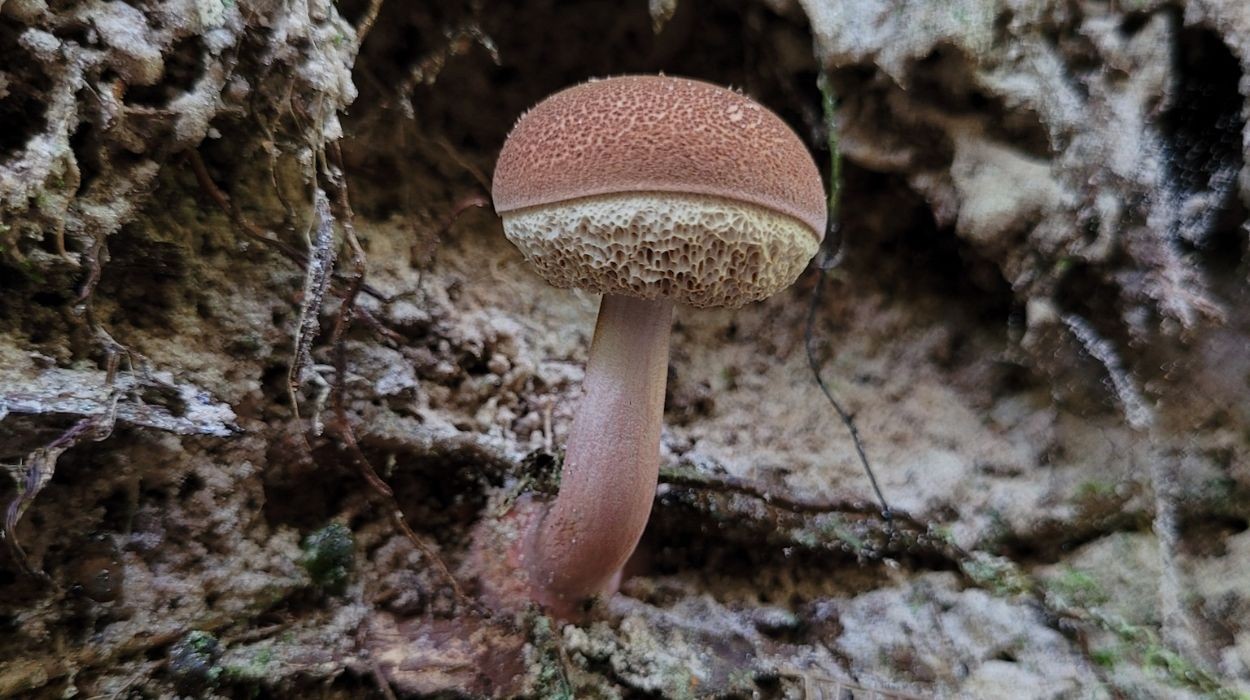
For the first time in its history, Brazil has officially recognized endangered fungi species by establishing a national list. This landmark measure, formalized by Portaria GM/MMA nº 1.696 on May 28, 2026, and published by the Ministry of Environment and Climate Change (MMA), identifies 24 Brazilian fungal species across various risk categories. The list categorizes 21 species as Vulnerable (VU) and three as Endangered (EN). Among the endangered species are Tylopilus dunensis, Lactifluus marielleae, and Sclerogaster araripensis. The regulation mandates comprehensive protection for species classified as Extinct in the Wild (EW), Critically Endangered (CR), Endangered (EN), and Vulnerable (VU), prohibiting their collection, cutting, transport, storage, handling, processing, and commercialization. Exceptions are made for cultivated and licensed specimens, as well as for scientific research, conservation, and environmental inventory activities, provided they are authorized by the relevant environmental agency. The list is also designed to be updated as new monitoring data and scientific knowledge become available. Biologist Maurício Rodrigues emphasized that this inclusion is a critical survival measure, vital for maintaining entire ecological processes that depend on these organisms, beyond just saving individual mushrooms. He highlighted that fungi are essential natural recyclers, ensuring nutrients return to the soil, which is crucial for ecosystem health and the sustenance of new life.
Brazil's formal recognition of endangered fungi marks a significant advancement in biodiversity conservation, shifting focus to often-overlooked organisms crucial for ecosystem function. This initiative acknowledges the systemic importance of fungal networks in nutrient cycling and plant health, moving beyond traditional charismatic megafauna. The prohibition of collection and commercialization, while necessary for protection, presents a governance challenge in enforcement across a vast territory. Future considerations should include incentivizing research into fungal cultivation and sustainable harvesting practices where feasible, balancing conservation with potential economic or scientific utility. The inclusion of a mechanism for list updates demonstrates a commitment to adaptive management, crucial in the face of evolving environmental pressures and scientific understanding, particularly relevant in the context of climate change and land-use transformation.
AI-generated to prompt reflection — not editorial opinion, not advice, not a statement of fact. How this works.