Brazil expands app driver car financing to used vehicles, but credit approval remains a hurdle
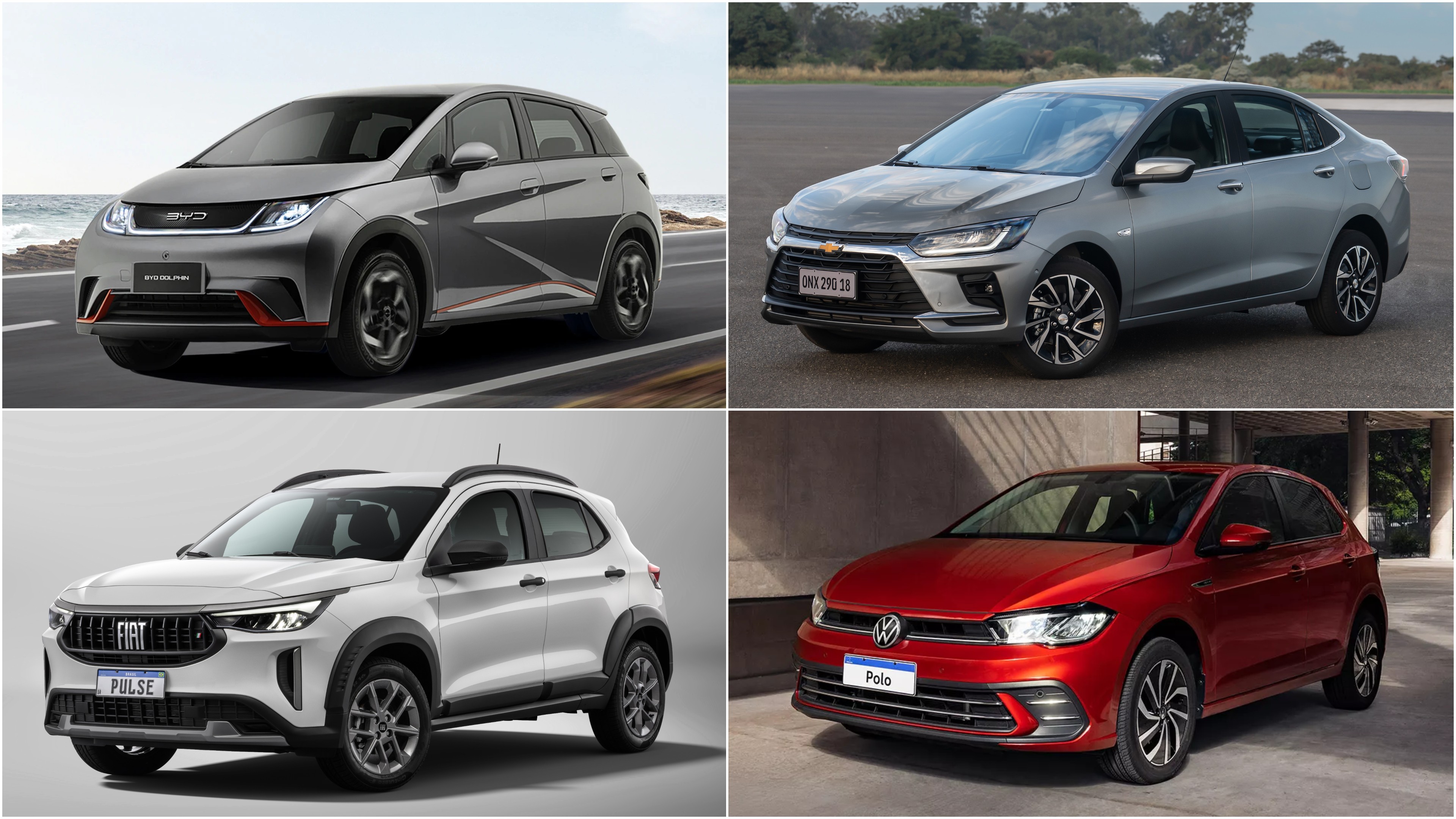
The Brazilian federal government has expanded the Move Aplicativos program, which offers low-interest financing for app drivers and taxi drivers, to include the purchase of used cars. The program's rules for used vehicles, largely unchanged since June, stipulate that the car must cost up to R$150,000, be a hybrid flex or electric model manufactured from 2024 onwards, and the automaker must be accredited in the Mover program. However, the availability of hybrid flex models under R$150,000 in the used car market is limited, with only a few Fiat and Peugeot models fitting this criteria. Electric options are more numerous, including BYD, GWM, GAC, Chevrolet, Geely, and Renault models within the price range. Despite a substantial R$30 billion injection to subsidize vehicle sales, only 3% of the allocated funds had been utilized by July 14, with R$1 billion committed. Experts and industry representatives unanimously point to difficulties in credit approval as the primary obstacle hindering the program's progress. Many drivers are deemed too indebted by financial institutions, leading to loan rejections, even with reduced interest rates. The high cost of vehicles, even used ones, results in significant monthly payments that many drivers struggle to afford. Furthermore, used vehicles may offer less guarantee than new ones, potentially leading to higher maintenance costs and downtime for drivers. While the BNDES (Brazilian Development Bank) asserts that resource allocation is not an issue and that credit approval criteria are set by individual financial institutions, the reality on the ground indicates that a significant portion of eligible drivers are being denied financing due to their existing debt levels.
The expansion of Brazil's Move Aplicativos program to include used vehicles aims to increase accessibility for app drivers and taxi drivers seeking vehicle financing. However, the program's effectiveness is severely hampered by stringent credit approval processes, reflecting a broader trend of high household indebtedness in Brazil. Financial institutions, bearing the credit risk, are understandably cautious, leading to a disconnect between government incentives and the practical ability of drivers to secure loans. This situation highlights a systemic challenge: while the government can subsidize interest rates, it cannot easily alter the underlying financial health of its citizens or the risk assessment models of lenders. Future iterations of such programs might need to explore alternative credit assessment methods or partnerships that can better accommodate drivers with moderate debt levels, potentially by incorporating alternative data sources or offering credit guarantees to financial institutions.
AI-generated to prompt reflection — not editorial opinion, not advice, not a statement of fact. How this works.