Brazil Expects Escalating US Pressure Amid Diplomatic Tensions
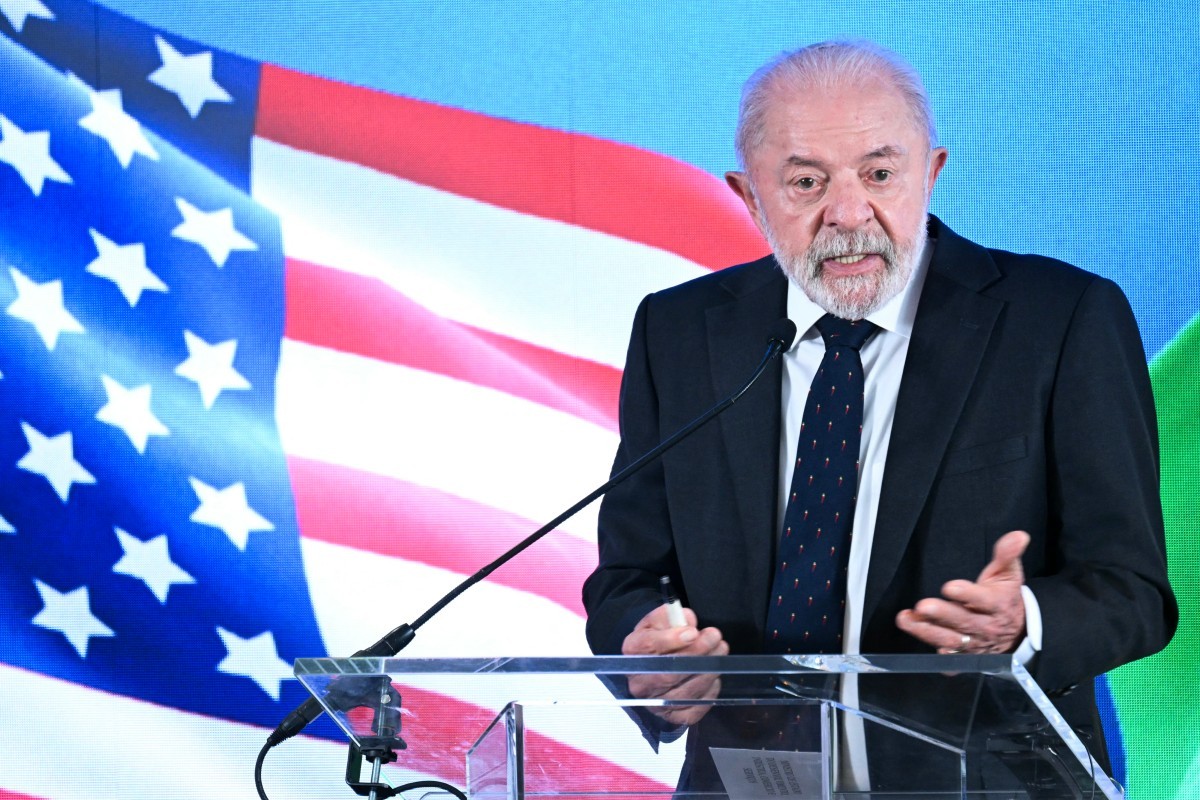
The Brazilian government anticipates a significant escalation in diplomatic pressure from the United States, believing the current crisis is far from its peak. Officials perceive the Brazilian presidential election as part of a broader geopolitical struggle for influence in Latin America. This assessment intensified after Brazil denied entry visas to two American representatives scheduled for an election-related mission. The Ministry of Foreign Affairs (Itamaraty) expects a diplomatic response from Washington, potentially including further visa restrictions or other measures, such as the use of the Magnitsky Act for additional leverage.
Behind the scenes, diplomats describe the situation as "maximum pressure," suggesting the U.S. may employ a combination of diplomatic, administrative, and economic actions alongside political and communication offensives. The strategy is not expected to be a single major event but a series of initiatives designed to increase institutional wear, bolster narratives of political persecution, and fuel doubts about the Brazilian electoral process. The government believes this environment benefits Flávio Bolsonaro, reinforcing his image as a victim and a candidate supported by the international right, while also promoting distrust in election outcomes, especially in the event of his defeat.
Itamaraty views Brazil as a key point of resistance against the strengthening of the right in Latin America, with many regional governments already aligned with Donald Trump. Brazilian diplomats note that while not all regional conservative movements are directly coordinated by the White House, there is an international political coordination among right-wing groups that converge in their narratives and support for candidacies. This context is used to frame the actions of Argentine President Javier Milei, whose confrontation with Lula is seen as politically advantageous domestically, diverting attention from his own governance challenges in Argentina.
The Brazilian government's interpretation frames the bilateral tensions as a strategic geopolitical contest, suggesting U.S. actions are aimed at influencing regional political alignments. This perspective highlights the potential for diplomatic disputes to become intertwined with domestic electoral politics, creating complex incentive structures for both governments. The analysis of potential U.S. responses, including visa restrictions and economic measures, indicates a calculated approach to exert pressure. The narrative of a broader regional right-wing alignment, potentially supported by international actors, suggests a systemic challenge to existing political orders in Latin America. Future developments will likely depend on the interplay between domestic political calculations in both Brazil and the United States, and the broader geopolitical dynamics shaping the region's political landscape over the next decade.
AI-generated to prompt reflection — not editorial opinion, not advice, not a statement of fact. How this works.