Brazil Faces Crucial 2026 Election Amidst US Tariffs and Fiscal Concerns
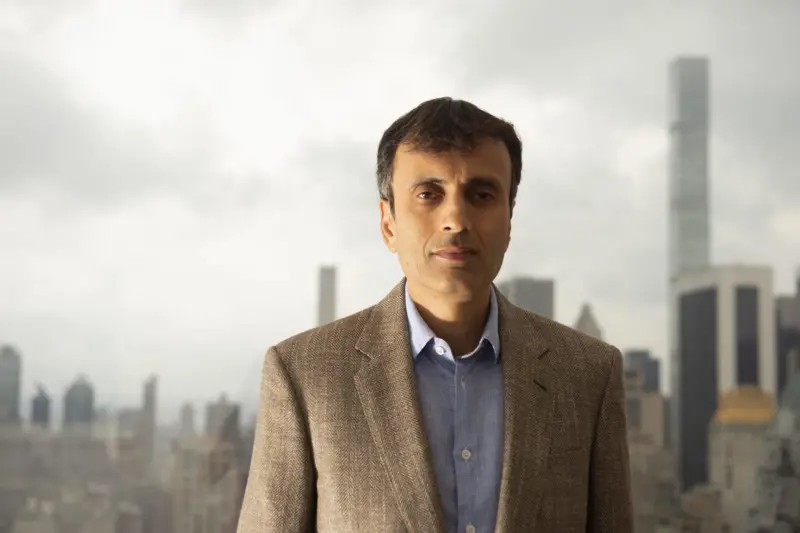
Brazil is approaching its pivotal 2026 election under significant pressure, with a new 25% tariff imposed by the Trump administration on Brazilian products and a growing fiscal deficit. Global strategist Ruchir Sharma highlights that historically, investors have seen higher returns under right-wing governments in Latin America, making Brazil a key focus for 2026. While the direct economic impact of the US tariffs might be limited, their effect on foreign investment and the upcoming presidential race is complex. Sharma notes that the tariffs signal a structurally challenged relationship with the current US administration, not an isolated dispute.
Economically, Brazil faces a delicate fiscal situation, especially as global attention on national debt increases. A potential victory for Flávio Bolsonaro could lead to pressure for rapid concessions on digital regulation in exchange for tariff removal, while a Lula re-election might initially face negative investor reaction due to fiscal concerns. However, Sharma emphasizes that regardless of the winner, there will be economic pressure to negotiate with Washington and maintain fiscal sustainability. Brazil possesses strengths in commodities, oil, and clean energy, and a reasonable R&D investment, making it a potential beneficiary of global trends if the right policies are implemented, though the outcome remains uncertain.
The imposition of US tariffs on Brazilian goods and the upcoming election highlight the intricate interplay between geopolitical maneuvering, domestic fiscal policy, and international investment flows. Investors often prioritize predictable regulatory environments and favorable economic conditions, which can lead to market reactions based on perceived political alignment rather than solely on a nation's intrinsic economic potential. The Brazilian election's global significance underscores how emerging economies are increasingly central to global economic stability and technological advancement, particularly in areas like AI and energy. Navigating these complex dynamics requires a delicate balance between national sovereignty, economic pragmatism, and long-term strategic planning to attract sustainable investment and foster growth in an era of shifting global power structures.
AI-generated to prompt reflection — not editorial opinion, not advice, not a statement of fact. How this works.