Brazil Faces Massive Educational Gap: 63.9 Million Adults Lack Basic Education
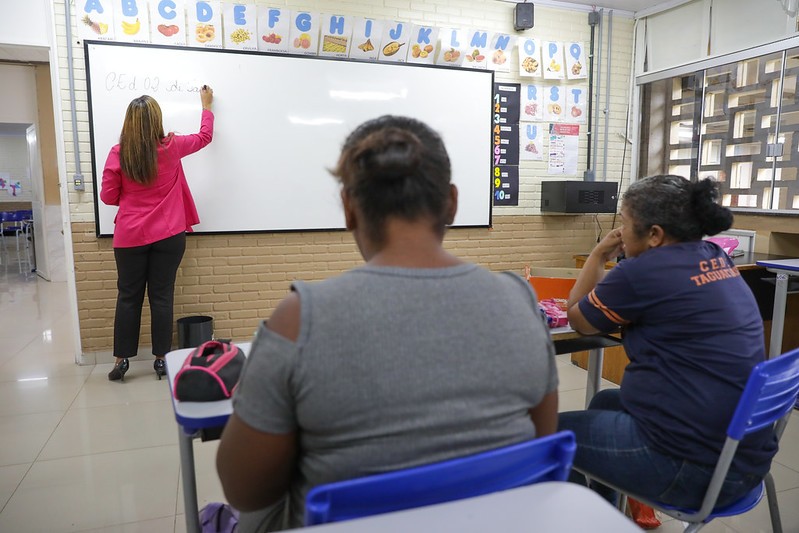
A new study reveals that 63.9 million Brazilians aged 15 and over have not completed basic education, representing 37.3% of the population in this age group. The primary policy aimed at re-engaging these individuals, Youth and Adult Education (EJA), currently serves only 1.5% of the potential demand. This low educational attainment is estimated to cause an annual loss of R$ 66 billion in income. The report, titled "Potential Demand for EJA and Transition to Work," was produced by the EJA and Productive Inclusion Network in collaboration with research institutions and civil society organizations. Researchers found that the decline in the number of adults without basic education is largely due to aging and mortality, rather than increased school re-enrollment. The study highlights the need for expanded EJA offerings, coupled with support services like childcare, flexible hours, and assistance in balancing education with work and family responsibilities. The findings were presented at the official launch of the EJA and Productive Inclusion Network in Brasília on Tuesday, May 7th. This initiative unites 16 civil society organizations and multilateral bodies to prioritize youth and adult education and productive inclusion in public discourse and to support the goals of the new National Education Plan (PNE).
This study highlights a significant structural challenge in Brazil's human capital development, where a substantial portion of the adult population remains outside the formal education system. The data suggests that current policies, while well-intentioned, are insufficient in scale and scope to address the vast demand for basic education. The report's finding that population aging and mortality are the primary drivers of reduced illiteracy rates, rather than educational interventions, points to a critical need for more effective and accessible lifelong learning programs. Addressing this deficit is not merely an educational imperative but also an economic one, given the estimated R$ 66 billion annual income loss. Future policy considerations should focus on systemic barriers, such as integrating educational opportunities with social support systems and flexible work arrangements, to ensure that educational attainment is driven by empowerment, not by demographic shifts.
AI-generated to prompt reflection — not editorial opinion, not advice, not a statement of fact. How this works.