Brazil Faces US Tariffs: Flávio Bolsonaro Seeks Trump's Intervention
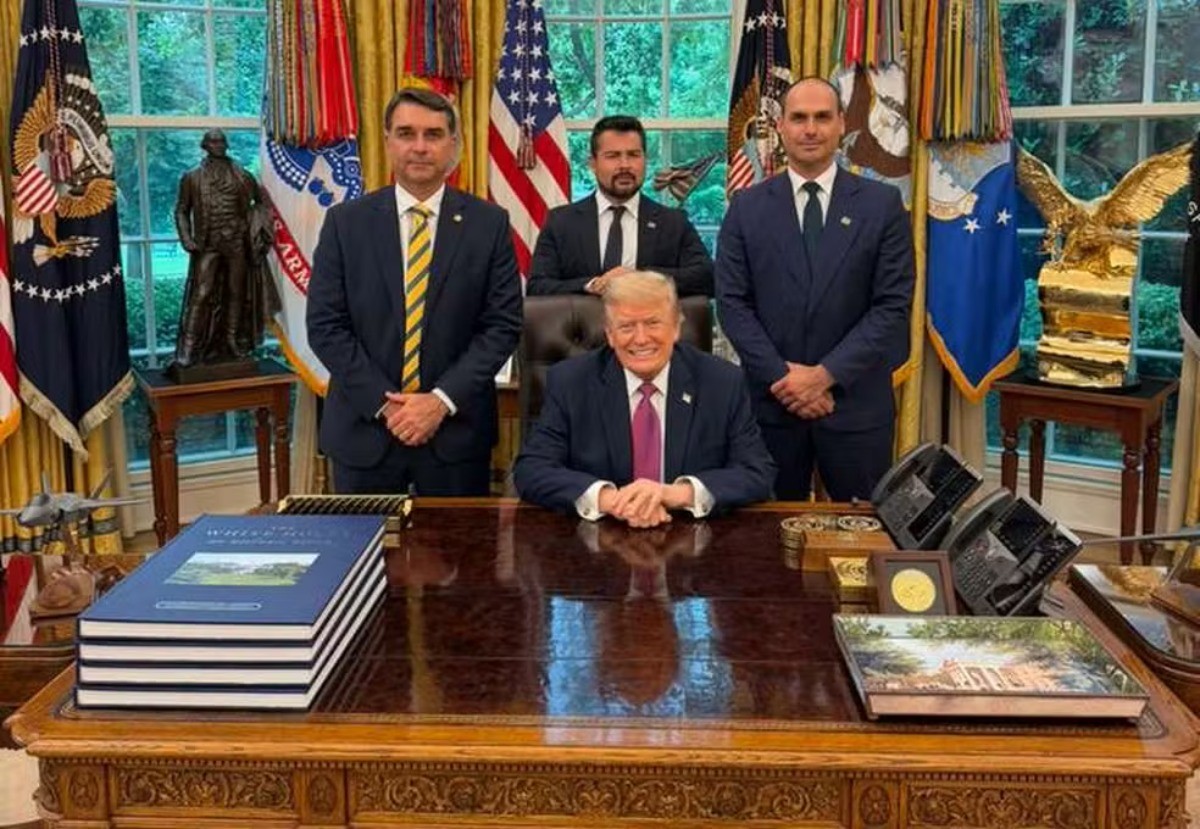
The U.S. Trade Representative's Office has concluded that Brazil engages in unfair economic practices, citing examples like Pix and the popular 25 de Março shopping district in São Paulo. This investigation, known as "Section 301," has led to a proposed 25% tariff on Brazilian products. In response, Brazil's Ministry of Foreign Affairs has submitted a document to the U.S. government to defend national interests and seek a resolution. Parallel to this official diplomatic effort, pre-candidate for the presidency, Flávio Bolsonaro, has also sent a letter to the United States. His proposals aim to influence Donald Trump and postpone the imposition of tariffs for 180 days, pushing the decision past the upcoming elections. Bolsonaro argues that the tariffs would politically benefit the current administration. Political scientist Guilherme Casarões, interviewed on the podcast "O Assunto," discussed Bolsonaro's proposals, which reportedly include limitations on Pix and Brazil's participation in Mercosur. Casarões also analyzed the potential disruption that such "parallel diplomacy" could cause during official negotiations between nations. The podcast episode featured insights from Casarões, who is a professor at Florida International University and a coordinator at the Observatory of the Extreme Right. The discussion also touched upon reactions from various commentators, with some suggesting Bolsonaro's actions could inadvertently aid President Lula's government by reinforcing a narrative of national sovereignty, while others, including President Lula himself, criticized Bolsonaro's appeal, labeling his family as "traitors of the homeland."
The situation highlights a complex interplay between national economic policy, international trade negotiations, and domestic political maneuvering. The U.S. "Section 301" investigation and proposed tariffs represent a formal trade dispute mechanism, driven by U.S. economic interests and perceptions of unfair practices. Flávio Bolsonaro's intervention, seeking to delay these tariffs until after Brazil's elections, suggests a strategic attempt to leverage international trade issues for domestic political gain, potentially aiming to frame the incumbent government as either incompetent or beholden to foreign pressure. This "parallel diplomacy" risks undermining official government negotiations by introducing competing agendas and potentially creating diplomatic friction. Such actions can complicate long-term trade relationships, as they introduce an element of political opportunism into what should ideally be a rational, rules-based trade environment. The long-term implications involve the potential for retaliatory measures, shifts in trade blocs, and the erosion of trust in diplomatic channels, particularly if such actions become normalized.
AI-generated to prompt reflection — not editorial opinion, not advice, not a statement of fact. How this works.