Brazil Fears US Intervention After Terror Designations
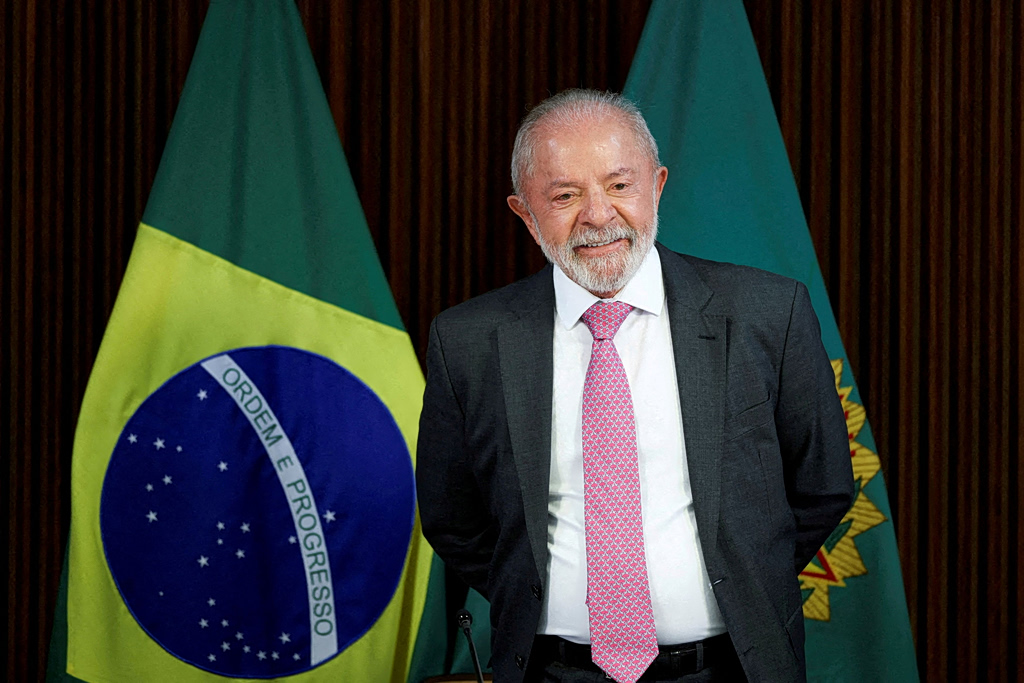
The administration of Brazilian President Luiz Inácio Lula da Silva, a center-left leader, has expressed concerns that Brazil may become the next target of the United States. These fears emerged following a recent decision by Washington to designate two gangs operating within the Latin American country as "global terrorist organizations." The Brazilian government is worried about the potential for military action, indicating a perceived risk of the U.S. resorting to military force. This development suggests a heightened level of geopolitical tension and mistrust between Brazil and the United States, particularly concerning U.S. foreign policy and its implications for regional stability.
The U.S. designation of Brazilian gangs as global terrorist organizations, while presented as a counter-terrorism measure, could be interpreted through the lens of geopolitical influence and economic interests. Brazil's government perceives this action as a potential precursor to direct intervention, highlighting a systemic tension between national sovereignty and U.S. foreign policy objectives in Latin America. This situation underscores the complex dynamics of international relations, where security designations can carry significant political and economic ramifications, potentially impacting trade, investment, and regional power balances. Future U.S. actions will likely be scrutinized for adherence to international law and respect for Brazilian autonomy, with implications for the broader stability of the South American continent.
AI-generated to prompt reflection — not editorial opinion, not advice, not a statement of fact. How this works.