Brazil Fights US Tariffs: Industry and Agriculture Present Case Against 25% Levy
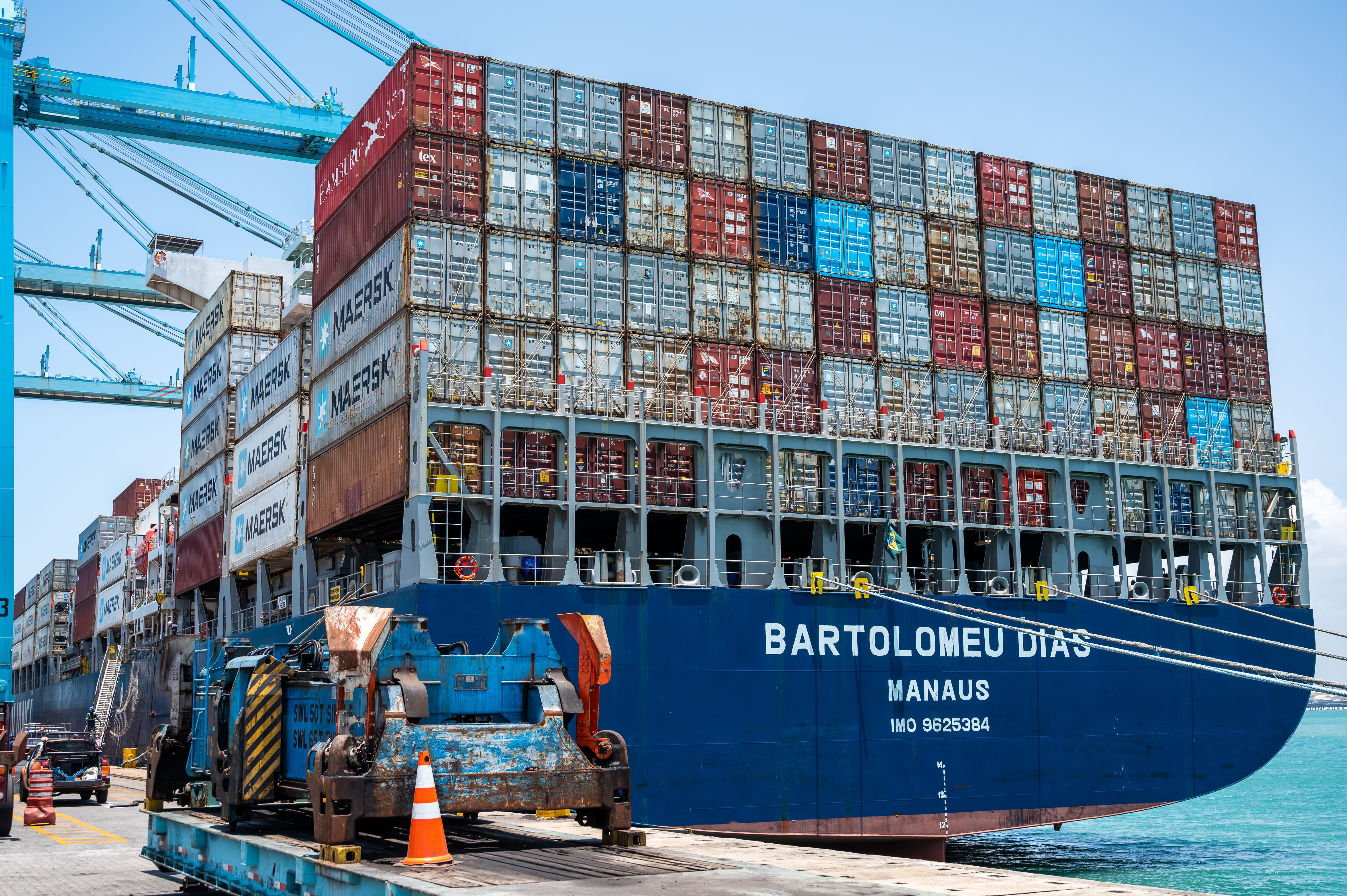
Brazil is actively contesting a proposed 25% tariff by the United States, with public hearings commencing on Monday, June 6th, organized by the Office of the U.S. Trade Representative (USTR). These hearings are a critical stage in a U.S. trade investigation under Section 301 of its trade legislation, allowing stakeholders to present arguments before a final decision. Brazilian industry and agriculture representatives, including the National Confederation of Industry (CNI), the Federation of Industries of the State of São Paulo (Fiesp), and the Confederation of Agriculture and Livestock of Brazil (CNA), will argue that the proposed surcharge would harm not only Brazilian exporters but also U.S. companies, consumers, and supply chains. They aim to demonstrate the integrated nature of the two economies and how the tariff would increase costs for American businesses. Specific sectors like machinery, auto parts, processed foods, and agricultural products such as coffee, rice, sugar, and ethanol are particularly concerned. The Brazilian defense will address points on intellectual property, import tariffs, deforestation, and the bilateral relationship, asserting that Brazil's practices are not discriminatory or illegal under international trade rules. Technical teams from both governments are also scheduled to meet this week to prepare for high-level negotiations before the July 15th decision deadline. Brazilian officials argue that U.S. criticisms regarding payment systems like Pix and judicial decisions are internal policy matters, not trade-related issues. The Brazilian industry emphasizes that the proposed tariff lacks economic or strategic justification and will negatively impact both nations' economies, advocating for continued dialogue and negotiation over new trade barriers.
Brazil's engagement in U.S. trade hearings highlights the complex interplay between national economic interests and international trade regulations. The U.S. investigation, framed under Section 301, reflects a broader trend of using trade policy as a tool to address perceived unfair practices, which can create significant market uncertainty for global supply chains. Brazil's defense hinges on demonstrating the mutual economic costs of such tariffs, emphasizing integrated production networks and the potential for retaliatory measures to disrupt established trade flows. This situation underscores the challenge for nations to balance domestic policy objectives with adherence to multilateral trade frameworks like the WTO, particularly as geopolitical considerations increasingly influence trade dynamics. The outcome will likely depend on the effectiveness of Brazil's advocacy and the U.S. administration's strategic priorities in the current global economic environment.
AI-generated to prompt reflection — not editorial opinion, not advice, not a statement of fact. How this works.