Brazil: Four Accused of PCC Criminal Organization Plot Against Officials
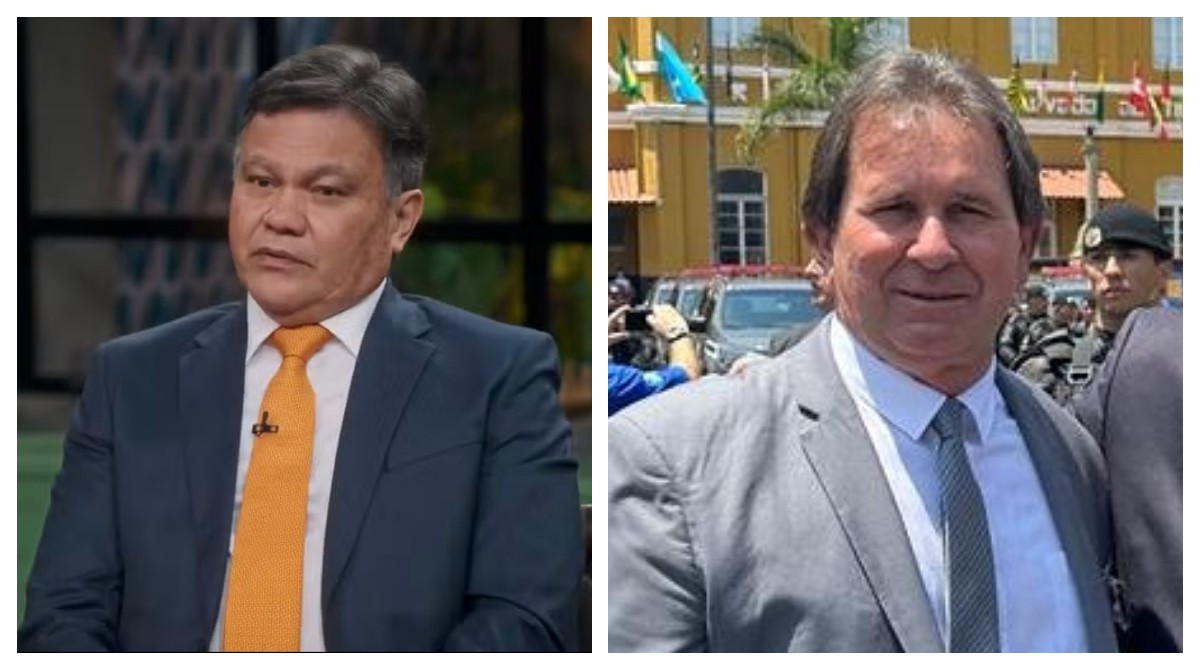
Four individuals have been indicted by the São Paulo Public Prosecutor's Office (MP-SP) for allegedly being part of a First Command of the Capital (PCC) faction tasked with monitoring Justice Prosecutor Lincoln Gakiya and prison coordinator Roberto Medina. Gakiya, who has investigated the PCC for over two decades, and Medina, responsible for prisons housing PCC leaders, are reportedly targets for assassination by the criminal organization. The MP-SP's indictment, filed by the Special Action Group to Combat Organized Crime (Gaeco), details how the accused allegedly gathered information on the officials' addresses, routines, travel routes, vehicles, and family members. This intelligence was reportedly intended for the PCC's "Sintonia Restrita," a specialized unit believed to orchestrate strategic actions, including attacks on public officials. Two of the indicted men, Wellison Rodrigo Bispo de Almeida and Sérgio Garcia da Silva, are already incarcerated for drug trafficking offenses. The other two, Victor Hugo da Silva and Adilson Audinir Oliveira Junior, are currently at liberty, though the MP-SP has requested their preventive detention due to concerns about their continued involvement with the criminal organization. Despite the serious nature of the alleged plot, the prosecutor's office did not charge the individuals with the crime of threat, citing a technical distinction in criminal law. According to constitutional and criminal lawyer Adib Abdouni, the crime of threat requires the explicit communication of harm to the victim, which was not directly indicated in the charges. The case now awaits judicial review, after which the accused could become defendants. The investigation suggests a structured operation with divided roles, including surveillance and digital footprint management, aimed at facilitating serious crimes.
This indictment highlights the sophisticated operational capabilities of organized crime groups like the PCC, extending beyond direct violence to encompass extensive intelligence gathering and strategic planning. The legal distinction between preparatory acts and direct threats underscores the challenges in prosecuting such complex criminal enterprises. Focusing charges on organized crime rather than individual threats acknowledges the systemic nature of the threat, aiming to dismantle the collective apparatus designed to facilitate serious offenses. Future legal frameworks may need to adapt to better address the preparatory stages of organized criminal activity, especially in the digital age where evidence collection and interpretation present ongoing challenges. The case demonstrates the critical need for robust intelligence sharing and protective measures for public officials targeted by powerful criminal syndicates, emphasizing a proactive approach to national security.
AI-generated to prompt reflection — not editorial opinion, not advice, not a statement of fact. How this works.