Brazil hikes ethanol blend in gasoline to 32% amid oil price surge
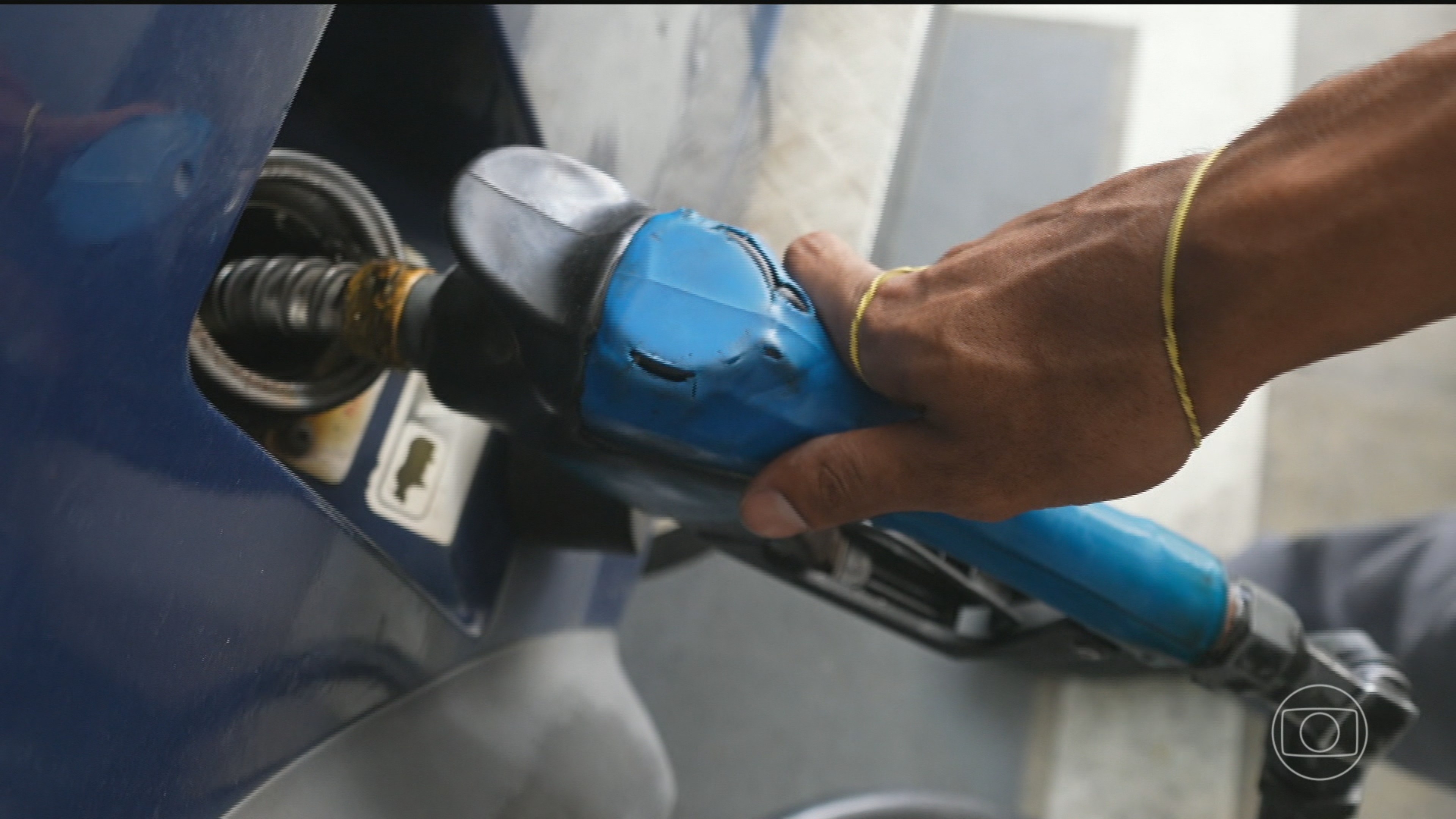
Brazil's government has decided to increase the ethanol blend in gasoline from 30% to 32%. This two-percentage-point rise, while seemingly small, is expected to have significant impacts, particularly in response to soaring global oil prices. The primary goal is to reduce Brazil's gasoline import dependency, potentially saving 900 million liters annually. This measure, initially set for six months, aims to mitigate fuel price volatility domestically by leveraging ethanol as an alternative. The domestic ethanol industry, primarily from sugarcane, is prepared to meet increased demand, projecting a production increase of 4 billion liters for the current harvest. However, concerns remain regarding the impact of the higher blend on the existing vehicle fleet. While newer flex-fuel vehicles can operate on 100% ethanol, only 43% of the total vehicle fleet is flex-fuel. Older vehicles, some hybrid models, imported cars with gasoline-only engines, and particularly motorcycles, may face compatibility issues. Automotive engineering experts have noted a lack of durability studies for older vehicles, especially concerning rubber and sealing components. Anfavea, the automotive manufacturers' association, has called for specific technical studies to ensure compatibility. The Ministry of Mines and Energy stated that tests conducted in March 2025 showed no significant impacts on vehicle performance, consumption, or material compatibility, even for non-flex models. Environmentally, a higher ethanol blend is considered beneficial, as the carbon dioxide released during combustion is reabsorbed during sugarcane growth, contributing to climate change mitigation.
The Brazilian government's decision to increase the ethanol blend in gasoline reflects a strategic response to global energy market dynamics and domestic economic considerations. By leveraging its substantial biofuel production capacity, Brazil aims to enhance energy security and stabilize domestic fuel prices, reducing reliance on imported gasoline. This policy highlights the interplay between international commodity prices, national resource utilization, and consumer impact. The potential friction between this policy and the existing vehicle fleet's compatibility underscores the challenges of transitioning energy infrastructure. Future policy development may need to balance immediate economic and energy security goals with long-term considerations for vehicle technology evolution and environmental sustainability, ensuring that such adjustments are supported by comprehensive technical assessments to safeguard public and economic interests.
AI-generated to prompt reflection — not editorial opinion, not advice, not a statement of fact. How this works.