Brazil Hospital Staff Fall Ill After Drinking Coffee; Investigation Underway
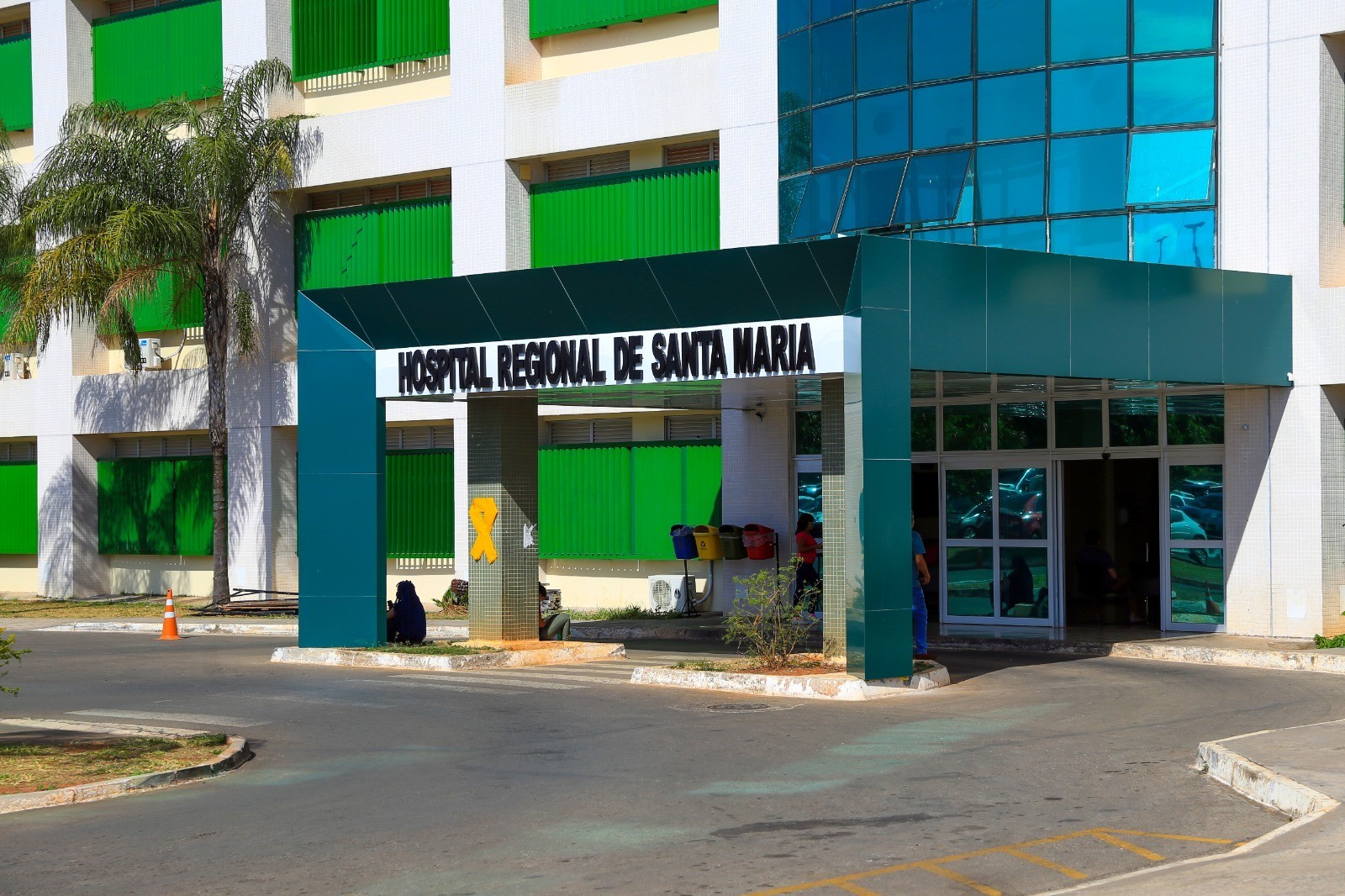
Eleven healthcare professionals at the Regional Hospital of Santa Maria (HRSM) in the Federal District (DF), Brazil, fell ill on Tuesday, May 21st, after consuming coffee. The incident prompted the Civil Police to seize a thermal carafe, kettle, and coffee container used by the staff. These items will undergo forensic analysis to determine the cause of the symptoms, which included nausea, tremors, chills, and other effects. The coffee is currently the only common factor identified among the affected individuals, according to the chief delegate of the 33rd Police Department, Alexsander Traback. Notably, the staff member who prepared the coffee also experienced symptoms, which investigators believe may reduce suspicion of deliberate poisoning. A twelfth team member who drank the coffee but showed no symptoms has been called for a toxicology exam as a comparative measure. Preliminary results from the toxicology tests are expected in about 30 days. Some professionals reported a distinct taste in the coffee shortly before falling ill. All 11 affected staff members, comprising 10 nursing technicians and one nurse, received medical attention, underwent toxicological exams, and have since been discharged. The Institute for the Strategic Management of Health of the Federal District (IgesDF) confirmed that patient care was not disrupted and that staff schedules were reorganized to maintain services. The hospital's patient care operations continue normally.
The investigation into the mass illness among hospital staff highlights the critical importance of food and beverage safety protocols within institutional settings. While the immediate focus is on identifying a potential contaminant or toxin in the coffee, the incident underscores systemic vulnerabilities in supply chain integrity and preparation hygiene, even for seemingly routine consumables. The rapid response and subsequent forensic examination are crucial steps in establishing causality and preventing future occurrences. Moving forward, institutions should consider implementing enhanced quality control measures for all food and beverages provided to staff, potentially including regular testing and stricter vendor vetting, to mitigate risks in environments where health and well-being are paramount.
AI-generated to prompt reflection — not editorial opinion, not advice, not a statement of fact. How this works.