Brazil Hospitals Perform First Inter-Hospital Kidney Swap Transplant
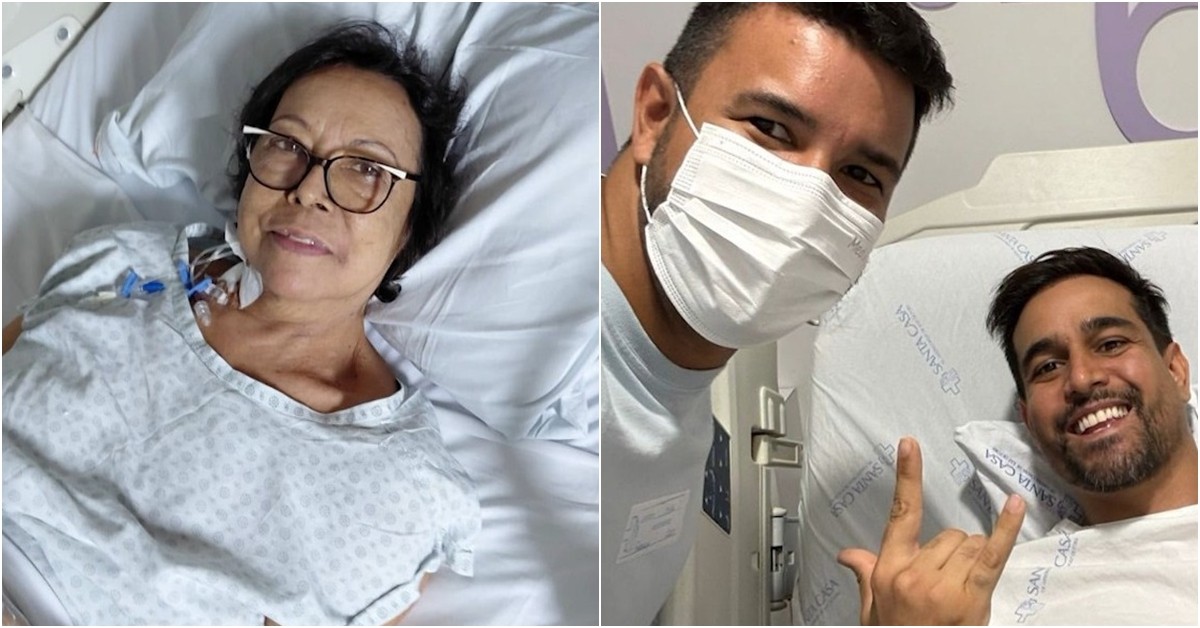
In a groundbreaking medical achievement in Brazil, two families who had never met participated in an unprecedented kidney swap transplant between different hospitals. The procedure, conducted simultaneously between Santa Casa de Juiz de Fora and the Hospital das Clínicas da USP in São Paulo, enabled two patients to receive life-saving kidney transplants through cross-compatibility. This innovative approach, known as a paired kidney transplant, involves matching two donor-recipient pairs who are incompatible with each other but compatible with the other's intended recipient. This allows for a reciprocal donation, facilitating transplants for both patients. Experts highlight that this method significantly increases the number of successful transplants and reduces organ waiting times. The expectation is for this technique to be integrated into Brazil's public transplant system in the future. The patients involved were Rafael Veloso, 40, who had been on hemodialysis for over two years after his sister's donated kidney failed, and Dirlene Nunes Parente, 73, who had been undergoing dialysis five times a week for severe kidney failure. Rafael's cousin, Ana Paula Fernandes, donated a kidney to Dirlene, while Dirlene's son, Hugo Parente, donated a kidney to Rafael. The surgeries were coordinated across four operating rooms, with medical teams from both institutions working in tandem. Although practiced internationally, paired kidney donation is not yet officially regulated in Brazil and requires judicial authorization for each procedure. The current Brazilian law permits living kidney donation primarily among relatives up to the fourth degree and spouses, with judicial approval for non-familial donations. Elias David Neto, director of the Renal Transplant Service at Hospital das Clínicas da USP, emphasized that regulating this practice could substantially improve access to living donor transplants, drawing parallels to its adoption in developed countries.
This inter-hospital kidney swap transplant represents a significant advancement in organ donation logistics, demonstrating the potential for cross-institutional collaboration to overcome donor-recipient incompatibility. The success of this paired donation highlights systemic inefficiencies in traditional transplant waiting lists and underscores the need for regulatory frameworks that can accommodate innovative, yet proven, medical practices. While the procedure requires judicial oversight due to current legal limitations, its efficacy suggests that adapting legislation to include regulated paired donation could dramatically expand access to transplants, thereby reducing patient suffering and mortality. The initiative's expansion beyond a single research institution to multiple hospitals indicates a growing momentum towards broader adoption, potentially transforming Brazil's organ transplant landscape within the next decade by optimizing resource utilization and patient outcomes.
AI-generated to prompt reflection — not editorial opinion, not advice, not a statement of fact. How this works.