Brazil Increases Ethanol Blend in Gasoline to 32%, Affecting Older Vehicles
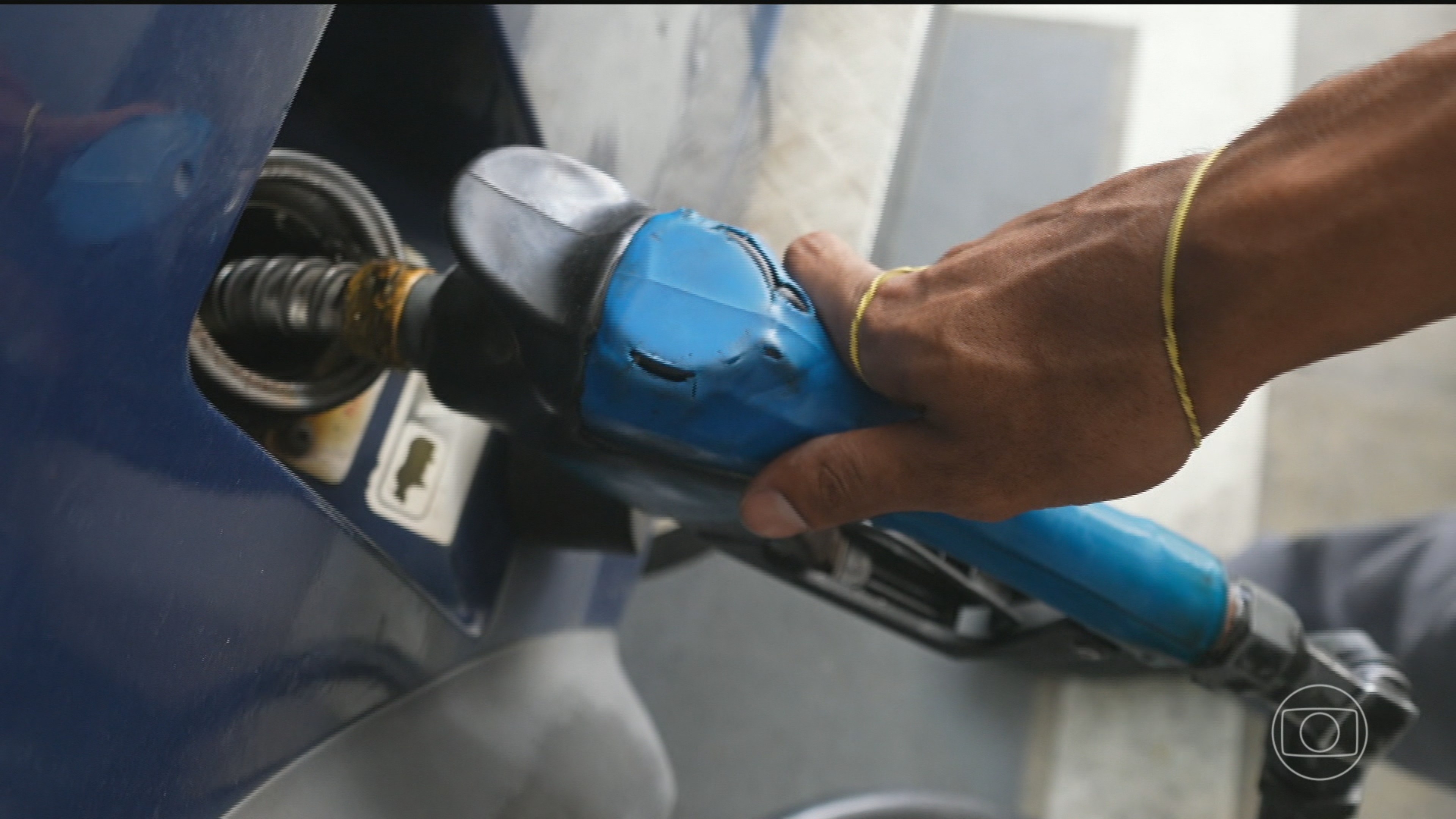
Starting Saturday, August 1st, fuel stations across Brazil will begin selling gasoline blended with 32% anhydrous ethanol (E32), an increase from the previous 30% blend. This federal government measure, initially set for 180 days with potential for extension, aims to reduce gasoline import costs and boost the use of domestically produced renewable fuel. While modern flex-fuel vehicles manufactured within the last 15 years are expected to adapt with only a slight increase in fuel consumption, older vehicles not equipped with flex-fuel technology may face significant issues. Mechanical engineer Jonilson Gamboa explained that older, non-flex models could experience power loss and require mechanical adjustments to function properly. Potential risks for these older cars include corrosion of metal parts and rubber hose degradation, along with increased fuel consumption and starting difficulties. Flex-fuel vehicles are anticipated to adapt more smoothly, though a marginal rise in consumption is still possible. To mitigate potential problems, owners of older vehicles are advised to perform preventive maintenance, checking components like spark plugs, filters, and hoses, and to consider using specific fuel additives and compatible filters designed for higher ethanol concentrations.
The Brazilian government's decision to increase the ethanol blend in gasoline to 32% reflects a strategic push towards greater energy independence and the utilization of domestic renewable resources. This policy shift, while potentially beneficial for reducing reliance on imported fossil fuels and supporting the biofuel industry, introduces a tiered impact on the vehicle fleet. The differential effect on older, non-flex-fuel vehicles highlights the challenge of balancing national energy policy with the existing infrastructure and technological diversity of the automotive sector. Future policy considerations might involve incentives for fleet modernization or phased transitions to accommodate such changes, ensuring that the pursuit of renewable energy goals does not disproportionately burden specific vehicle owner segments or lead to unintended mechanical consequences. This move also underscores the ongoing global transition towards alternative fuels and the complex interplay between energy policy, industrial capacity, and consumer impact.
AI-generated to prompt reflection — not editorial opinion, not advice, not a statement of fact. How this works.